What should I do before I leave on a trip?
See more information on inspections and tire pressure
Make sure your vehicle is up-to-date on all inspections.
Check your tires’ air pressure and compare to the information on the tire information sticker in your vehicle’s door, gas tank, or in your owner’s manual. You can also find the right pressure for your tires through our Tire Selector vehicle search.
Check your tires’ tread wear and condition visually. If your tread seems worn down or the tires seem damaged, have the tires checked by a professional.
Tire Registration
Make sure your tires are registered to receive direct notification in the event of a safety-related recall.
FIND A DEALER
FAQ
Read our Frequently Asked Questions.
Tire pressure on all four tires (and the spare)—check cold before departure
Tire tread depth—if you're near the wear limit, replace before a long trip rather than during it
Engine oil level and condition
Coolant level
Brake fluid
Windshield washer fluid (winter-rated if applicable)
Headlights, brake lights, and signals—have a passenger confirm all are working
Wiper blade condition
Also: check the weather along your entire route, not just at your destination. A sunny departure city doesn't guarantee clear roads in the mountains or prairies.
Every 2 hours is the recommended guideline for driver alertness—not just for comfort, but to prevent the gradual fatigue that accumulates even when you don't feel particularly tired. On longer trips, plan your stops at towns with services rather than improvising. In Canada, long stretches between services exist in many regions (parts of northern Ontario, the Prairies, and BC's interior), so never start a long segment without a full tank of gas and full awareness of where the next gas station is. In winter, this buffer between fuel stops can be a genuine safety factor.
Set your destination before you start driving and use a mounted phone holder or built-in navigation. Never type addresses or interact with navigation apps while moving. If you need to change the route, pull over safely. Passenger navigation (where a co-pilot manages the phone) is the safest approach on unfamiliar roads. Pre-downloading offline maps for your route is also wise in rural Canada where cellular data can be unavailable for long stretches.
Related articles
-

Driving for Fuel Economy
Underinflated tires are one of the most significant preventable causes of excess fuel consumption. Driving on tires below the recommended pressure increases rolling resistance, which forces your engine to work harder for the same speed. Beyond pressure, driving at a constant speed, avoiding rapid stops and starts, reducing excess weight in the vehicle, and removing unused roof racks and carriers that create aerodynamic drag all reduce fuel consumption meaningfully. Check tire pressure monthly and before any long trip.View more -
Highway Driving
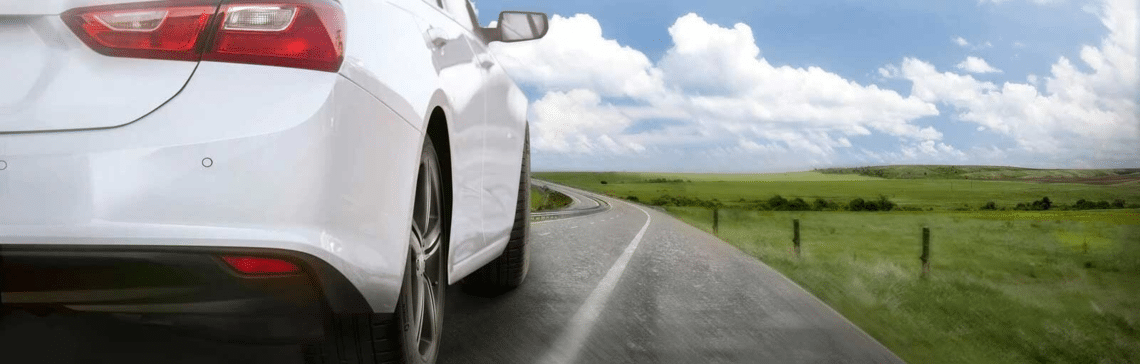
Sustained highway speed generates more heat in your tires than urban driving. An underinflated tire builds heat faster than a correctly inflated one at the same speed, which increases the risk of structural failure over a long journey. Check pressure before any long highway trip, particularly in summer when ambient heat adds to the load. Also inspect tread depth before a motorway journey: a tire near the wear limit is significantly less capable at speed than at lower urban speeds.View more -

Impaired Driving
Driving under the influence of alcohol, drugs, or any impairing substance dramatically increases crash risk and carries serious legal consequences across all Canadian provinces. Even impairment levels below the legal limit measurably reduce reaction time and judgment. This page reinforces the straightforward message: if you are impaired, do not drive. Plan ahead with a designated driver, taxi, or rideshare. The decision not to drive impaired protects not only yourself but everyone else on the road.View more -

Driving on Wet Roads
View more -

Night Driving
Your headlights at normal speed illuminate less road ahead than the distance you need to stop if something appears in that range. Reduce your speed so your stopping distance matches your visible range. Keep headlights clean and switched on properly. Do not look directly at the headlights of oncoming vehicles. Take regular breaks on night drives to manage fatigue, which significantly increases risk after extended nighttime hours. Tires with adequate tread depth and correct pressure provide shorter stopping distances, which matters more when visibility is already reduced.View more -
Fog Driving
High beams in fog make visibility worse, not better: the light bounces off the water droplets directly back into your eyes. Use low beams or dedicated fog lights, reduce speed further than feels instinctively necessary, and leave following distance based on time rather than visual distance estimation. Navigate by road markings rather than the tail lights of the vehicle ahead, which can lead you too close without realizing it. Leave enough space to react in an emergency regardless of what the vehicle ahead is doing.View more -
Windy Driving
On exposed roads or bridges in high wind, keep both hands firmly on the wheel and avoid sharp steering corrections in response to gusts. Overcorrecting after a crosswind gust causes as much instability as the gust itself. Tires at correct pressure maintain better lateral contact stability in crosswinds than underinflated tires. If conditions are severe, reduce speed and maintain extra lateral distance from large vehicles, which create turbulence that amplifies crosswind effects.View more -
Safe Driving on Ice and Snow: Tactical Tips from the Experts
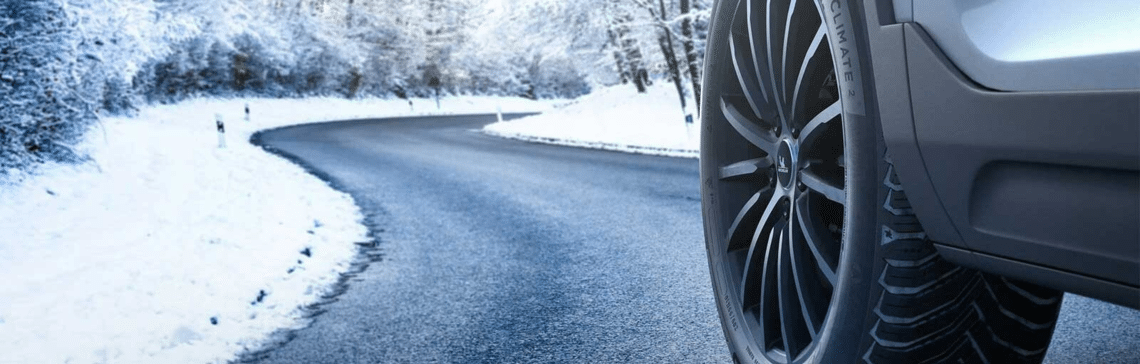
Winter driving in Canada is an art of patience and precision. Mastering a few key techniques can make all the difference, helping you stay in control on unpredictable snowy and icy roads. These tactical tips from the experts will help you navigate winter safely, no matter what you drive.View more -

Mud Driving
Before driving through mud on an off-road route, stop and assess the depth and hardness of the mud by looking at existing tire tracks. If proceeding, maintain steady momentum without spinning the wheels. Spinning digs you in faster than anything else. Drive with two hands, slow down before turning, and never brake mid-turn. If stuck, avoid sustained wheel spinning: assess whether traction aids, rocking, or calling for recovery assistance is the right next step before draining your battery trying.View more -

Mountain Driving
On long mountain descents, use engine braking by downshifting to a lower gear rather than riding the foot brake continuously. Brake fade from overheated brakes is a real risk on repeated descents, and engine braking reduces the load on the brakes significantly. Temperatures drop with altitude; if you are driving into a mountain area where conditions will be substantially colder than where you departed, confirm your tires are appropriate for those lower temperatures.View more -

Fatigue Driving
Fatigue impairs driving ability in measurable ways: reaction time slows, attention narrows, and drivers consistently underestimate how impaired they have become. The only effective remedy is sleep. Caffeine and stopping for fresh air delay fatigue onset but do not eliminate impairment. On long drives, plan a minimum break every two hours regardless of how alert you feel. Recognize the warning signs: yawning repeatedly, difficulty keeping your eyes on the road, and drifting between lanes all signal that a rest stop is not optional.View more -
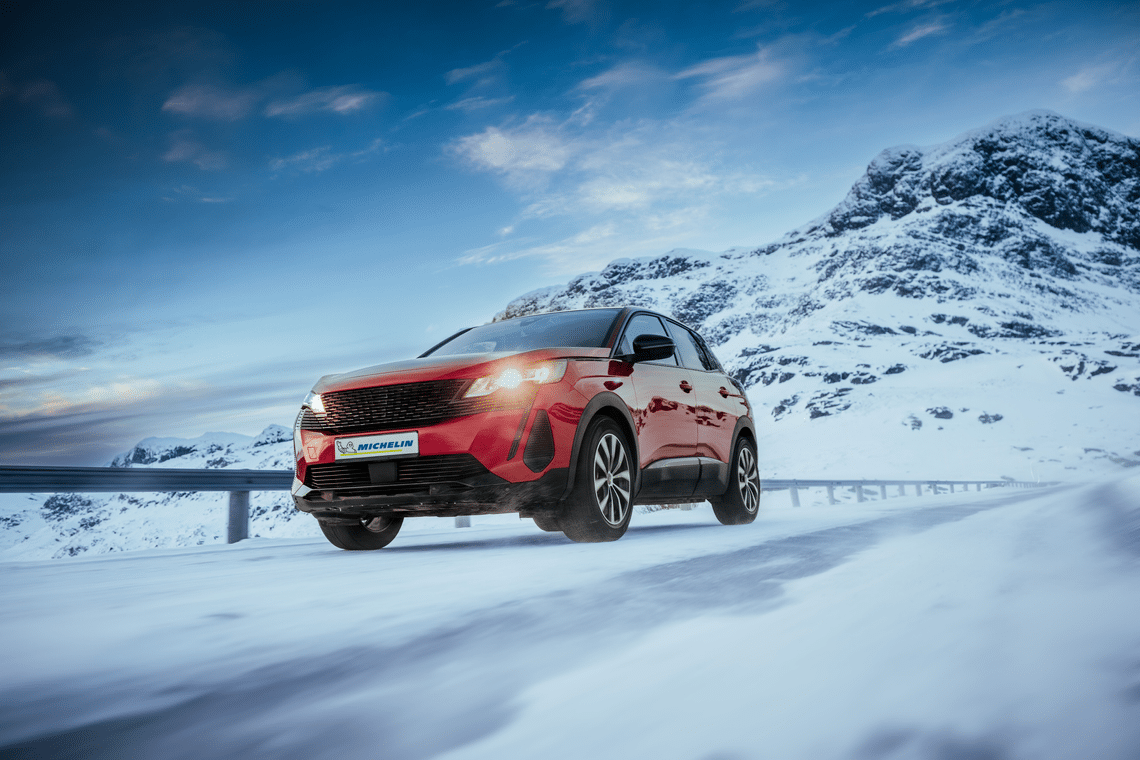
Preparing for Winter: How Cold Affects Tire Pressure and When to Swap Tires
In Canada, a vehicle is only as safe as its tires. Even the best winter tires won’t perform optimally if they're installed too late or if they are under-inflated in cold weather. Understanding how temperature changes affect tire pressure and knowing the right time to make the seasonal swap are critical for safe driving all season long.View more