Material to keep in the car
- Tire gauge to measure the pressure of your tires
- Spare tire and jack
- Motor oil
- Jumper cables
- Flashlight
- Roadside flares
- Blankets and gloves
- First aid kit
- Bottles of water, snack bars and nonperishable food

FIND A DEALER
FAQ
Read our Frequently Asked Questions.
Properly inflated spare tire (full-size or mini spare) + jack and lug wrench.
Jumper cables or a portable jump starter (especially important in Canadian winters when batteries fail).
Reflective warning triangles or road flares.
Flashlight with extra batteries (or rechargeable with charging cable).
High-visibility vest.
First aid kit.
Warm blanket, gloves, and extra warm clothing (essential in Canadian winters).
Small shovel and traction mat or bag of sand/cat litter (for getting unstuck in snow).
Tire inflator and sealant (for slow leaks that don't require a full change).
Basic tool kit: screwdrivers, pliers, zip ties.
Snacks and water.
Phone charging cable and portable power bank.
Yes—a standard emergency kit is insufficient for Canadian winters. Winter additions include: a heavy blanket or sleeping bag, extra gloves and warm layers, a small collapsible shovel, a bag of sand or traction mats, a snow brush and ice scraper for windows, and windshield washer fluid rated to -40°C. In remote or northern areas, add a candle in a tin (reliable heat source), matches, and extra food and water for prolonged waits. Also keep your fuel tank at least half full—running out of fuel in winter in a remote area is genuinely dangerous.
Check your kit at least twice a year—conveniently timed with your seasonal tire swaps. Items to verify: spare tire pressure (loses air over time), expiry dates on any perishables or medical supplies, battery charge in flashlights or portable power banks, and condition of sealant canisters. Winter gear should be added each fall and can be lightened in summer. Don't let an untested, half-depleted kit give you false confidence—an emergency kit you haven't checked in three years may fail you when you need it most.
The core kit (jumper cables, traction mat, shovel, flares) goes in the trunk. However, in Canadian winters, keep a small survival pouch in the cabin: a blanket, gloves, snacks, a flashlight, and a phone charger. If your vehicle goes off the road in a winter storm and you can't access the trunk (rear damage, snow-blocked lid), the cabin items can be life-saving while you wait for help. In extreme cold, waiting in a car without a blanket can be dangerous within an hour.
The spare tire itself—specifically its inflation pressure. Studies consistently show that a large percentage of drivers with spare tires discover them flat or dangerously underinflated when they need them most. Check your spare's pressure whenever you check your regular tires. For mini-spares, also verify the speed and distance limits printed on the sidewall—most are limited to 80 km/h and 100–200 km, which is critical information in a roadside emergency.
Related articles
-
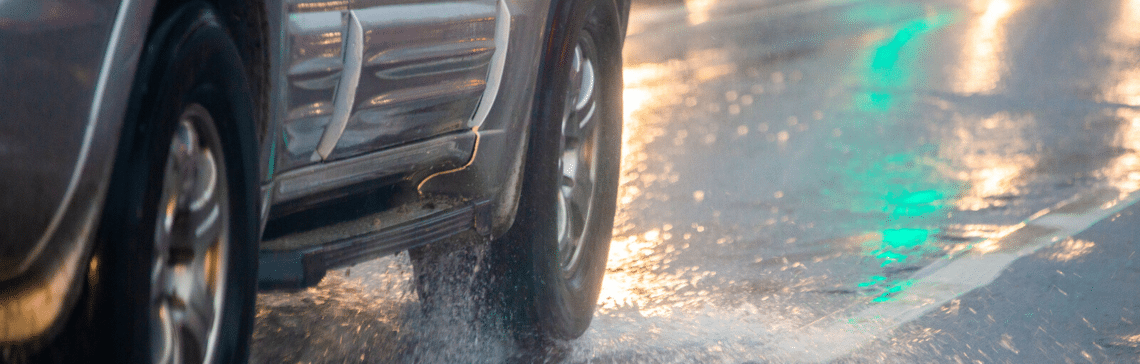
Brake Problems
If your brakes suddenly feel soft or lose pressure while driving, pump the pedal rapidly to try to build hydraulic pressure, look for a safe exit from the road immediately, and apply the parking brake gradually only as a last resort. This page also covers the warning signs to watch for before brake problems become critical: a spongy pedal, grinding noise, pulling to one side during braking, and a pedal that sits closer to the floor than usual.View more -
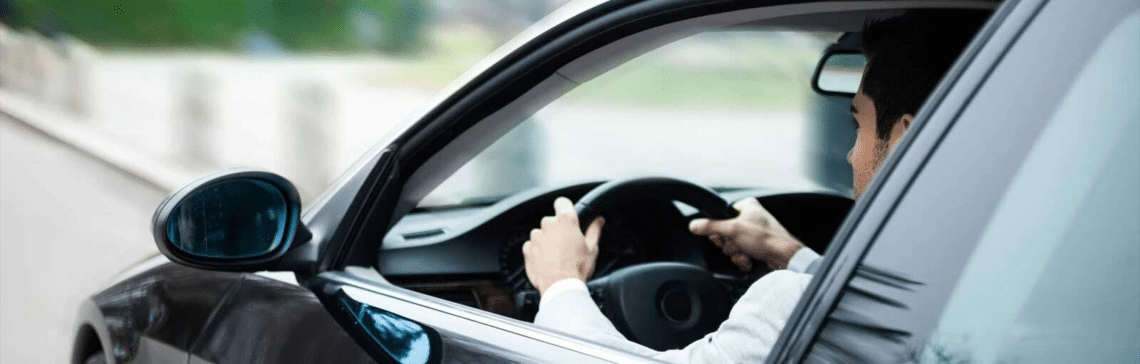
Steering Control
If a front tire blows out, your instinct will be to brake hard. That instinct is wrong and will make the situation significantly worse. The correct response is to grip the wheel firmly, hold the accelerator briefly to stabilize the vehicle, then ease off gradually and steer toward the shoulder as speed drops naturally. This page explains the specific counterintuitive technique for blowouts, skids, and hydroplaning, each of which requires a different but deliberate response.View more -
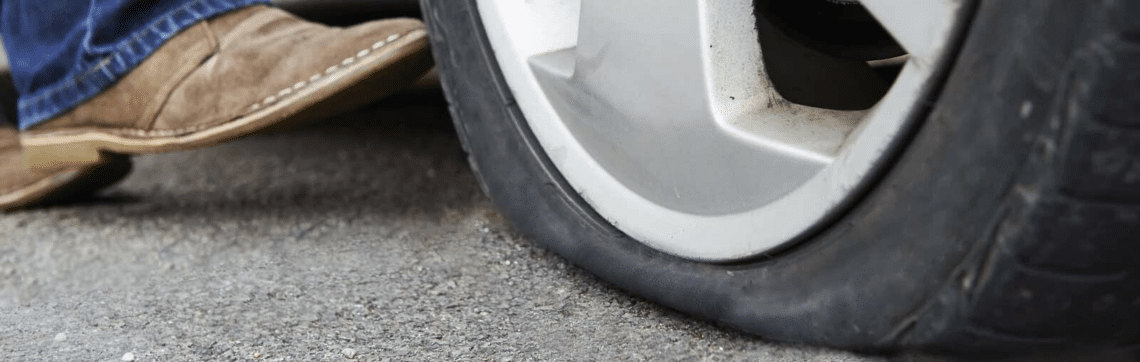
Tire Blowout
Do not brake hard during a blowout. The sudden pull toward the failed side combined with hard braking can cause a spin or roll. The correct response: grip the wheel firmly, maintain your speed briefly to stabilize, ease off the throttle gradually, and steer progressively toward the shoulder as speed drops naturally. This page explains why this approach works, the causes most responsible for blowouts, and the maintenance habits that significantly reduce your risk.View more -
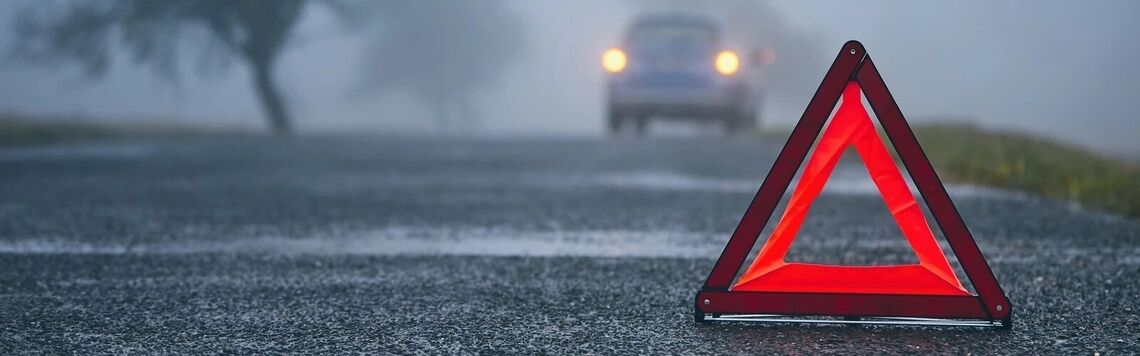
General advice in emergency situations
The response that keeps people safe in a driving emergency is almost always the calmest, most deliberate one. Panic produces sharp inputs that turn manageable situations into serious ones. Activate hazard lights immediately, move progressively and safely off the road, stay inside the vehicle if stopped on a motorway shoulder, and give emergency services your location as specifically as you can. This page reinforces the universal principles that apply across every type of driving emergency.View more