Note on the video:
The footage is shot at a professional course with a professional driver and tire-explosive testing equipment.
The loud noise will surprise you but try to stay calm.
Always keep both hands on the steering wheel and grip firmly. This may save your life in case of a sudden rapid deflation.
Don’t slam the brakes, keep your foot on the gas and accelerate to maintain the momentum of the vehicle.
Keep the direction of the car as straight as possible.
Brake slowly to maintain control of the vehicle and lower the speed.
Bring the car to a stop in a safe place.
FAQ
Read our Frequently Asked Questions.
Grip the steering wheel firmly with both hands—a blowout causes an immediate and violent pull toward the failed tire.
Do NOT slam the brakes—this is the instinct to fight. Hard braking after a blowout can cause a dangerous spin.
Briefly keep your foot on the gas (or hold current speed) to maintain forward momentum and vehicle stability.
Steer straight and maintain direction.
Gradually ease off the accelerator and allow the vehicle to slow naturally.
Once below 50 km/h, gently apply the brakes and steer toward the nearest safe stopping area.
Activate hazard lights as soon as control is stable.
This is the most counterintuitive—but most critical—piece of blowout advice. When a tire suddenly fails, the vehicle lurches violently. Your instinct is to brake, but braking shifts weight forward and sideways, making the vehicle unstable. Maintaining gentle throttle (even for just 1–2 seconds) keeps the weight balanced and the vehicle tracking forward, giving you time to assess the situation and begin a controlled deceleration. The vehicle will slow on its own as rolling resistance increases dramatically with a flat tire.
You'll feel it immediately: the vehicle pulls hard in one direction. Front blowout: the car pulls sharply to the blown side and the steering feels heavy. Rear blowout: the back of the car becomes unstable and begins to fishtail. Front blowouts are generally more dangerous because they affect steering. With a rear blowout, gently ease off the gas and hold the wheel straight—oversteer (rear swinging out) is the main risk. Knowing which tire helps you understand the handling behaviour and respond appropriately.
Underinflation: the most common cause. An underinflated tire flexes excessively, generating heat that weakens the internal structure until it fails. Check pressure monthly.
Overloading: exceeding the tire's load rating causes structural stress. Know your vehicle's maximum load and your tire's load index.
Tread damage: a nail, sharp object, or sidewall cut that weakens the tire until pressure causes failure. Inspect tires regularly.
Age-related degradation: rubber deteriorates over time. Replace tires over 10 years old regardless of appearance.
Impact damage: hitting a deep pothole or curb can break internal cords—damage that may not be visible but can cause a blowout later.
In almost all cases, a blowout means the tire must be replaced, not repaired. The extreme stress of running on a collapsed sidewall, combined with the heat generated during failure, causes internal damage that cannot be assessed from outside and cannot be safely repaired. Even if the tire looks intact after a blowout (particularly with run-flat tires), it must be professionally inspected before any determination is made—and replacement is almost always the result.
Related articles
-
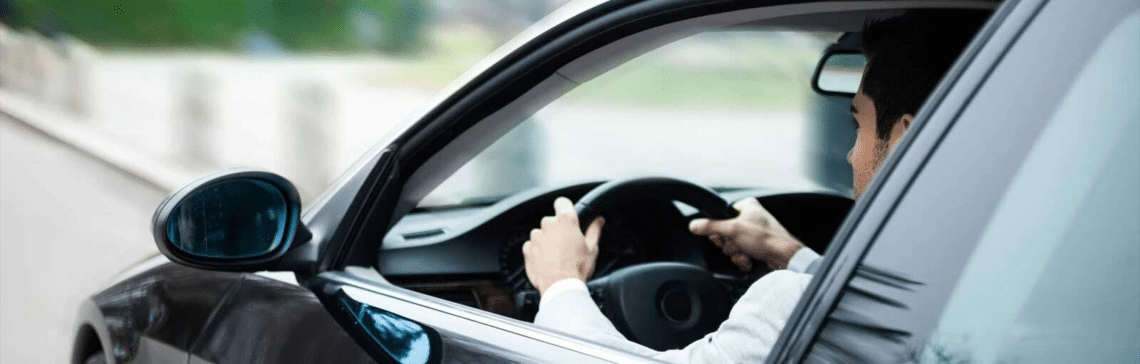
Steering Control
If a front tire blows out, your instinct will be to brake hard. That instinct is wrong and will make the situation significantly worse. The correct response is to grip the wheel firmly, hold the accelerator briefly to stabilize the vehicle, then ease off gradually and steer toward the shoulder as speed drops naturally. This page explains the specific counterintuitive technique for blowouts, skids, and hydroplaning, each of which requires a different but deliberate response.View more -
Brake Problems
If your brakes suddenly feel soft or lose pressure while driving, pump the pedal rapidly to try to build hydraulic pressure, look for a safe exit from the road immediately, and apply the parking brake gradually only as a last resort. This page also covers the warning signs to watch for before brake problems become critical: a spongy pedal, grinding noise, pulling to one side during braking, and a pedal that sits closer to the floor than usual.View more -
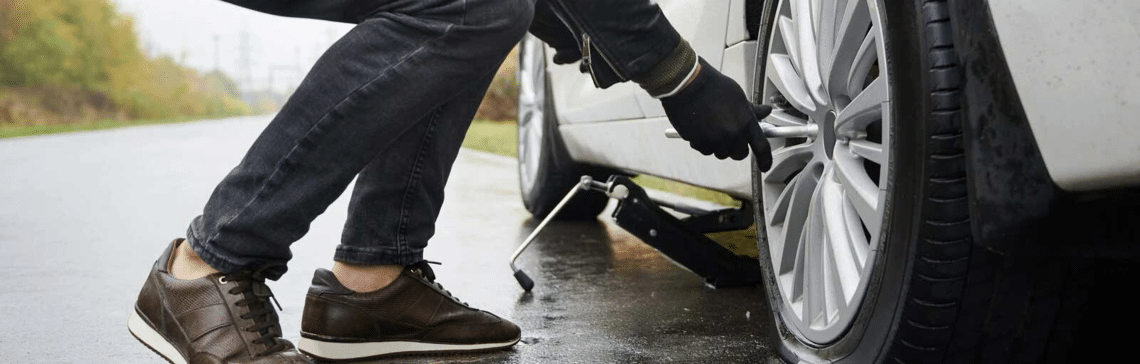
Car Emergency Kit
Your emergency kit needs to answer three questions: Can you be seen by approaching vehicles? Can you stay warm if stranded? Can you move the vehicle or call for help? The core items are warning triangles or reflective flares, a thermal blanket, a portable jump starter or jumper cables, a flashlight with spare batteries, a small shovel, traction aids, and roadside assistance contact details written on paper. For winter travel, add warm spare clothing and extra traction materials.View more -
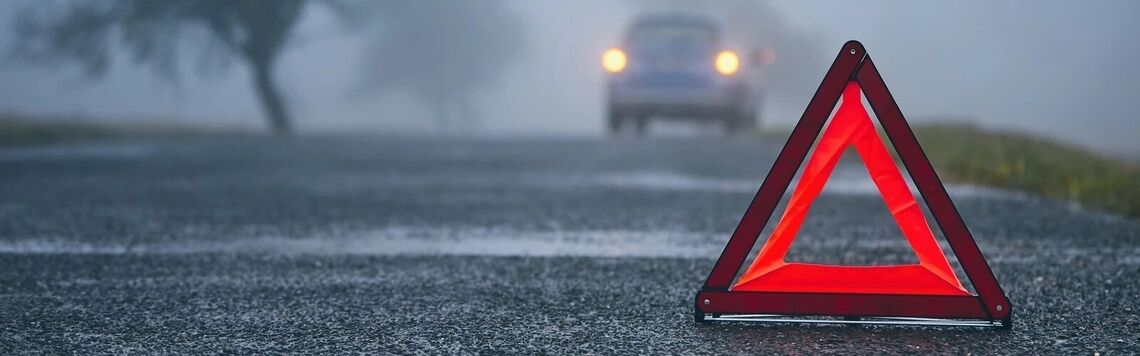
General advice in emergency situations
The response that keeps people safe in a driving emergency is almost always the calmest, most deliberate one. Panic produces sharp inputs that turn manageable situations into serious ones. Activate hazard lights immediately, move progressively and safely off the road, stay inside the vehicle if stopped on a motorway shoulder, and give emergency services your location as specifically as you can. This page reinforces the universal principles that apply across every type of driving emergency.View more