When to Install Winter Tires: The 7°C Rule
Many drivers wait for the first snowfall to think about winter tires, but they are designed for cold, not just snow. Their specialized rubber compounds remain flexible and grippy at low temperatures, while summer tires and all-season tires harden, losing traction on both wet and dry pavement.
That’s why Michelin recommends installing winter tires once daily temperatures consistently drop below 7°C. Waiting too long increases your risk on frosty mornings, black ice, and early-season storms.
Why the 7°C Rule is Essential
Superior Grip: Below 7°C, summer tires and all-season tires stiffen, which reduces their grip and increases stopping distances.
Early-Season Safety: Early-morning frost and unexpected black ice patches are just as dangerous as a full-blown blizzard.
Optimal Performance: Winter tires provide shorter stopping distances and better handling on cold, dry pavement, not just snow and ice.
Cold Weather’s Effect on Tire Pressure
Air contracts when it gets cold, which means your tires lose pressure as temperatures fall. On average, your tires lose about 1 PSI for every 5°C drop in temperature. This means a tire that’s properly inflated in September could be several PSI too low by December.
Low tire pressure is more than an inconvenience. It’s a real safety issue:
Reduced Traction: Low pressure reduces the tire’s contact patch, compromising grip on snow and ice.
Longer Stopping Distances: Underinflated tires require more time and distance to stop, especially on slippery roads.
Poor Handling: Lower PSI leads to reduced stability and less precise steering.
Uneven Wear: Underinflated tires wear out faster and unevenly, shortening their lifespan and costing you money.
For winter driving, underinflation is particularly dangerous because it reduces the very traction you rely on in slippery conditions.
PSI Management Tips for Winter
Checking your tire pressure isn’t something you should only do at the mechanic. It’s a habit that makes every drive safer. Follow these tips to keep your tires performing their best in Canadian winters:
Practical Tips for Managing Tire Pressure
Check Regularly: Use a reliable gauge to check your tire pressure at least once a month. The most accurate readings are taken when tires are cold, preferably in the morning.
Find Your Vehicle's PSI: Do not inflate to the number on the tire's sidewall. Instead, use the vehicle manufacturer’s recommended PSI, which you can find on a sticker in the driver’s door jamb or in your owner’s manual.
Top Up Before the Light: Don't wait for your Tire Pressure Monitoring System (TPMS) light to come on, as it often only activates when pressure is dangerously low.
Avoid Overinflation: Overinflating your tires reduces the contact patch with the road, which lowers grip on icy surfaces.
Recheck After Service: Always verify your tire pressure after a seasonal swap to ensure the technician inflated them correctly.
Tire pressure is just one part of seasonal prep. See our guide on tire storage and pre-trip checks to make sure you’re ready for every journey.
How Tire Timing and Pressure Work Together
Switching to winter tires early and maintaining proper PSI isn’t a choice between two options; it’s a safety equation that keeps you safe. Even a dedicated winter tire can't grip properly if it’s underinflated. A traditional all-season tire will harden and lose its grip in the cold, even if its PSI is perfect.
The formula for full winter safety: Right Tire + Right Timing + Right PSI = Full Winter Safety
This three-part formula ensures your tires last longer, your vehicle performs better, and you’re ready for whatever Canadian winters throw at you.
Remember that your drivetrain also has a role to play, but it can never replace your tires. Learn why AWD vehicles still need proper winter tires.
FAQ
Read our Frequently Asked Questions.
You should install your winter tires when the average daily temperature consistently drops below 7°C. While this is the recommended safety guideline, some provinces have specific legal requirements and deadlines for winter tire use. To see the rules for your province, visit our guide on when to install tires by province.
No. Always follow your vehicle manufacturer’s recommended PSI. Overinflating reduces grip, while underinflating increases wear and stopping distance.
At least once a month, and before any long trip. Cold weather accelerates pressure loss, so frequent checks are key.
You risk reduced grip on frosty mornings, icy patches, and early storms. Even without snow, summer tires and all-season tires stiffen and lose traction in the cold.
Yes. Underinflated tires increase rolling resistance, forcing your engine to burn more fuel. Keeping PSI within the recommended range improves efficiency.

FIND A DEALER
Related articles
-

Driving for Fuel Economy
Underinflated tires are one of the most significant preventable causes of excess fuel consumption. Driving on tires below the recommended pressure increases rolling resistance, which forces your engine to work harder for the same speed. Beyond pressure, driving at a constant speed, avoiding rapid stops and starts, reducing excess weight in the vehicle, and removing unused roof racks and carriers that create aerodynamic drag all reduce fuel consumption meaningfully. Check tire pressure monthly and before any long trip.View more -
Highway Driving
Sustained highway speed generates more heat in your tires than urban driving. An underinflated tire builds heat faster than a correctly inflated one at the same speed, which increases the risk of structural failure over a long journey. Check pressure before any long highway trip, particularly in summer when ambient heat adds to the load. Also inspect tread depth before a motorway journey: a tire near the wear limit is significantly less capable at speed than at lower urban speeds.View more -

Road Trip Guide
Before a long trip, check all four tires and the spare: pressure, tread depth, and a visual inspection for sidewall damage. Look at your tires' wear and condition; if they seem worn or damaged, have them checked by a professional before departing. Confirm your tires are registered for recall notification. Plan rest stops every two hours to manage fatigue risk, which increases sharply on extended drives. Pack an emergency kit appropriate for the season and the remoteness of your route.View more -

Impaired Driving
Driving under the influence of alcohol, drugs, or any impairing substance dramatically increases crash risk and carries serious legal consequences across all Canadian provinces. Even impairment levels below the legal limit measurably reduce reaction time and judgment. This page reinforces the straightforward message: if you are impaired, do not drive. Plan ahead with a designated driver, taxi, or rideshare. The decision not to drive impaired protects not only yourself but everyone else on the road.View more -

Driving on Wet Roads
View more -

Night Driving
Your headlights at normal speed illuminate less road ahead than the distance you need to stop if something appears in that range. Reduce your speed so your stopping distance matches your visible range. Keep headlights clean and switched on properly. Do not look directly at the headlights of oncoming vehicles. Take regular breaks on night drives to manage fatigue, which significantly increases risk after extended nighttime hours. Tires with adequate tread depth and correct pressure provide shorter stopping distances, which matters more when visibility is already reduced.View more -
Fog Driving
High beams in fog make visibility worse, not better: the light bounces off the water droplets directly back into your eyes. Use low beams or dedicated fog lights, reduce speed further than feels instinctively necessary, and leave following distance based on time rather than visual distance estimation. Navigate by road markings rather than the tail lights of the vehicle ahead, which can lead you too close without realizing it. Leave enough space to react in an emergency regardless of what the vehicle ahead is doing.View more -
Windy Driving
On exposed roads or bridges in high wind, keep both hands firmly on the wheel and avoid sharp steering corrections in response to gusts. Overcorrecting after a crosswind gust causes as much instability as the gust itself. Tires at correct pressure maintain better lateral contact stability in crosswinds than underinflated tires. If conditions are severe, reduce speed and maintain extra lateral distance from large vehicles, which create turbulence that amplifies crosswind effects.View more -
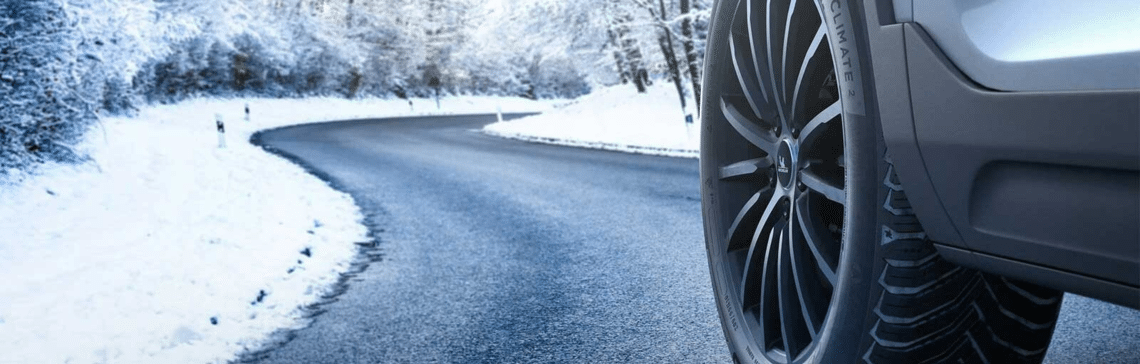
Safe Driving on Ice and Snow: Tactical Tips from the Experts
Winter driving in Canada is an art of patience and precision. Mastering a few key techniques can make all the difference, helping you stay in control on unpredictable snowy and icy roads. These tactical tips from the experts will help you navigate winter safely, no matter what you drive.View more -

Mud Driving
Before driving through mud on an off-road route, stop and assess the depth and hardness of the mud by looking at existing tire tracks. If proceeding, maintain steady momentum without spinning the wheels. Spinning digs you in faster than anything else. Drive with two hands, slow down before turning, and never brake mid-turn. If stuck, avoid sustained wheel spinning: assess whether traction aids, rocking, or calling for recovery assistance is the right next step before draining your battery trying.View more -

Mountain Driving
On long mountain descents, use engine braking by downshifting to a lower gear rather than riding the foot brake continuously. Brake fade from overheated brakes is a real risk on repeated descents, and engine braking reduces the load on the brakes significantly. Temperatures drop with altitude; if you are driving into a mountain area where conditions will be substantially colder than where you departed, confirm your tires are appropriate for those lower temperatures.View more -

Fatigue Driving
Fatigue impairs driving ability in measurable ways: reaction time slows, attention narrows, and drivers consistently underestimate how impaired they have become. The only effective remedy is sleep. Caffeine and stopping for fresh air delay fatigue onset but do not eliminate impairment. On long drives, plan a minimum break every two hours regardless of how alert you feel. Recognize the warning signs: yawning repeatedly, difficulty keeping your eyes on the road, and drifting between lanes all signal that a rest stop is not optional.View more