Why Does Michelin Develop Marked Tires?
Every vehicle is designed with unique performance targets for handling, comfort, noise, and efficiency. Because tires are the only point of contact between the car and the road, manufacturers often require tires that are tuned specifically to their models.
Michelin engineers work closely with car manufacturers such as Mercedes-AMG, Porsche, Tesla, and BMW throughout the tire development process. This collaboration includes design selection, testing, validation, and fine-tuning to ensure the tire meets the manufacturer’s performance brief. Once approved, the tire is identified by a manufacturer-specific marking on the sidewall, indicating it was developed for that vehicle.
These markings are part of standardized tire markings that help identify a tire’s intended application and compatibility.
What Are OE (Original Equipment) Tires?
OE (Original Equipment) tires are the tires fitted to a vehicle when it leaves the factory. These tires are selected and approved by the vehicle manufacturer and meet all regulatory requirements, as well as the manufacturer’s internal performance standards.
OE tires may include specific markings that indicate they were developed for a particular brand or model.
What Does a Michelin-Developed Marking Mean?
A tire created and authorized for a particular car manufacturer or model is indicated by a Michelin-developed marking. N-marked Michelin tires for Porsche, K-marked Michelin tires for Ferrari, and T-marked Michelin tires for Tesla are a few examples.
Based on collaborative research and validation, these indications attest that the tire satisfies the manufacturer's specifications for that particular vehicle.
To assist preserve the vehicle's intended performance characteristics, Michelin advises changing tires with the same designated version that was first authorized for it.
What's the Difference Between Type-Approved, Marked, and Approved Tires?
Every tire that is sold must abide by the laws of the nation or area in which it is sold. Manufacturer approval and this regulatory approval are not the same.
Type-approved tires meet regional regulatory requirements
Manufacturer-approved (marked) tires are developed and validated for a specific vehicle or model
OE tires are manufacturer-approved tires fitted at the factory
Manufacturer approval is not mandatory, but it reflects additional testing and tuning performed to match the vehicle’s specifications.
How to Identify Manufacturer Markings on a Tire
Manufacturer markings appear on the tire sidewall as letters, symbols, or codes. These markings identify the vehicle brand, and sometimes the specific model, for which the tire was developed.
Below is a reference table showing common OE markings by manufacturer.
| Manufacturer | Original Equipment Marking |
|---|---|
| ALFA ROMEO | AR. |
| ALPINE | ^A^ |
| ASTON MARTIN | AML |
| AUDI | AO - AO1 - AO2 - AOE |
| AUDI QUATTRO | RO1 |
| BMW | ★ |
| BMW M | ★ |
| BUGATTI | BG |
| CADILLAC | TPC |
| CHEVROLET | TPC |
| CORVETTE | TPC |
| FERRARI | K1 - K2 - K3 |
| FORD PERFORMANCE | FP |
| GENESIS | GOE |
| GMC | TPC |
| HONDA | HO |
| HYUNDAI | HN |
| JAGUAR | J - JLR |
| LAND ROVER | LR - JLR |
| LOTUS | LTS |
| LUCID | LM - LM1 |
| MASERATI | MGT |
| MERCEDES AMG | MO1 - MO2 - MO1-A |
| MERCEDES BENZ | MO - MOE - MO-S - MO-V - MO-W |
| MINI | ★ |
| NIO | I |
| POLESTAR | POL |
| PONTIAC | TPC |
| PORSCHE | Nx NAx - NBx - NCx - NDx - NEx - NFx |
| RENAULT | R |
| TESLA | T0 - T1 - T2 |
| VOLVO | VOL |
Why Replacing Marked Tires Matters
Marked tires are designed to meet the handling, comfort, noise, rolling resistance, and sometimes software-related requirements of specific vehicles. Replacing them with a non-approved version may change how the vehicle behaves.
When replacing tires, it is important to respect the manufacturer-approved specification, including tire load and speed ratings, to ensure compatibility with the vehicle.
Michelin therefore recommends replacing OE-marked tires with the same approved marking whenever applicable.
Car Manufacturers Choose Michelin Tires
Leading automakers throughout the world use Michelin-developed marked tires, which have helped achieve noteworthy performance gains.
MICHELIN Pilot Sport Cup 2 tires designed specifically for the Bugatti Chiron allowed it to hit 490.484 km/h (304.773 mph).
Using MICHELIN Pilot Sport Cup 2 ND0 tires, the Porsche Panamera achieved a lap record at the Nürburgring Nordschleife.
With MICHELIN Pilot Sport Cup 2 R MO1A tires, the Mercedes-AMG GT Black Series set a lap record.
These illustrations show how crucial it is to have tires that are exactly the right size for the car.
Looking Ahead
Michelin continues to work with vehicle manufacturers on future mobility solutions, including innovative concepts such as Uptis, an airless tire concept developed in partnership with General Motors.
Where Can I Buy Manufacturer-Marked Tires?
Authorized dealers and specialty stores carry tires that are approved by the manufacturer for your car.
A Michelin professional may offer advice based on your model, driving requirements, and manufacturer specifications if you need assistance choosing the right designated tire for your car.
FAQ
Michelin OE Markings and Manufacturer-Specific Tires
A Michelin-developed marked tire is a tire that has been specifically designed and approved for a particular vehicle manufacturer or model. The marking on the tire sidewall indicates that it meets the performance requirements defined jointly by Michelin and the car manufacturer.
Marked tires may be OE tires when they are fitted to a vehicle at the factory. OE tires are approved by the vehicle manufacturer and may carry a specific marking showing they were developed for that model.
Manufacturer-approved markings appear on the tire sidewall as letters, symbols, or codes (such as N, AO, MO, or T). These markings identify the vehicle brand, and sometimes the specific model, for which the tire was developed.
Michelin recommends replacing marked tires with the same approved marking whenever applicable. Doing so helps maintain the handling, comfort, noise characteristics, and overall performance intended by the vehicle manufacturer.
No. All tires must meet regional regulatory requirements, but manufacturer-approved markings are not mandatory. They indicate additional development and validation carried out to match the tire to a specific vehicle.
Related articles
-

When to Replace Tires
There is no single rule that determines how long a tire will last. Tire lifespan depends on a combination of factors, including tire design, driving habits, climate, road conditions, and how well the tires are maintained.
Rather than relying on mileage alone, Michelin recommends regular inspections and attention to both visible and performance-related signs that may indicate a tire needs to be replaced.View more -

How to Choose the Right Tires
Where you live in Canada, the time of year, and how you use your vehicle are the three most important factors in choosing the right tire. A driver in Vancouver who rarely sees ice has very different needs from a driver in Montreal who navigates snow from November through April. This page guides you through the questions that narrow your choice: your climate, your driving environment, your driving style, and whether all-season tires are genuinely sufficient for the winter conditions you actually face.View more -

How to Prepare for a Tire Dealer Visit
The more prepared you are before visiting a tire shop, the better your purchase. Know your tire size (from the sidewall of your current tires or the door placard), think about the weather conditions and road types you regularly encounter, and know your driving priorities. Michelin's Tire Selector tool lets you find compatible tires and print or send the results before your appointment. This page provides the questions to ask the dealer and the information to have ready.View more -
Can You Mix Tires? What to Know Before You Do
Maintaining your car in the configuration set by the manufacturer is the safest approach for tire replacement. This means following the tire specifications outlined on your car's placard, in the owner's manual, and in any OE (original equipment) technical bulletins. This is essential, as these documents take into consideration how the car was built to manage load, steering, braking, and stability, especially when replacing just one or two tires.View more -

Choosing the Right Tire Size for Your Vehicle
Choosing the correct tire size is essential to ensure proper fitment, performance, and safety. Tire size information is defined by standardized tire markings and can be found on the tire sidewall, in your vehicle owner’s manual, or on the vehicle tire information placard. Understanding where to find this information and how to interpret it helps ensure replacement tires meet your vehicle manufacturer’s specifications.View more -
How to compare tires?
On what basis should you compare tires to select the one that will give you complete satisfaction? This article is about the main performance criteria to consider, the decision aids you can use and Michelin's best advice. We will discuss how to select the one you need within the same tire line and provide you with decision aids, such as independent tire tests, labelling and tire comparison sites. Finally, we will discuss another important criterion: long term performance.View more -
Do I Need Seasonal Tires?
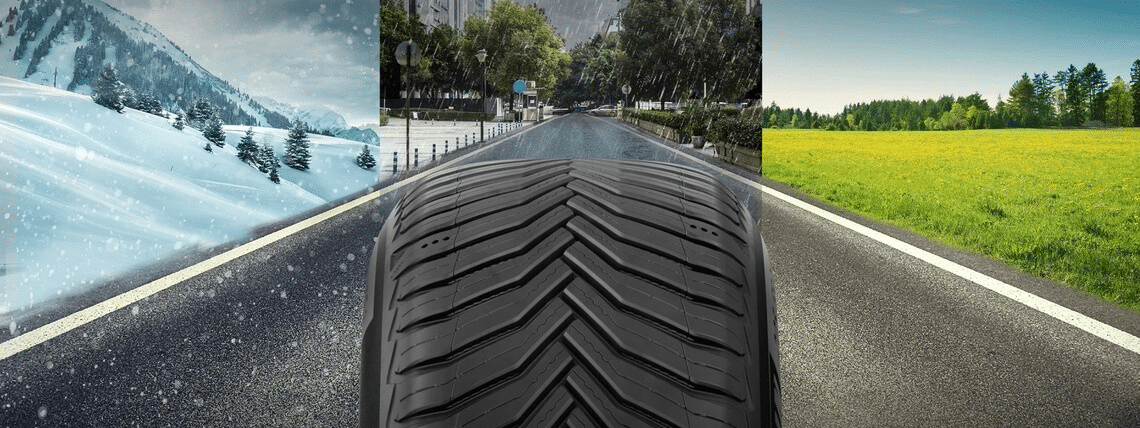
Your tires need to be adapted to your current weather conditions. All-season tires handle everyday conditions but may not be sufficient for the severe winter conditions in many parts of Canada. Summer tires are designed for warm-weather performance and should not be used where temperatures approach freezing regularly. Winter tires are specifically designed for snow, slush, ice, and cold, dry pavement where other tire categories become less effective. This page helps you identify the right tire type for where you live and drive.View more -

Winter Tire Buying Guide for Canada
Whether you’re a first-time car owner, new to Canadian winters, or just looking to make the safest choice for your vehicle, this guide explains everything you need to know about buying winter tires. From the difference between winter, all-season, and summer tires to regulations and studded options, here’s how to stay safe in Canada’s coldest months.View more -
Changing Tire Size or Specifications
View more -

Do I need new tires ?
View more -
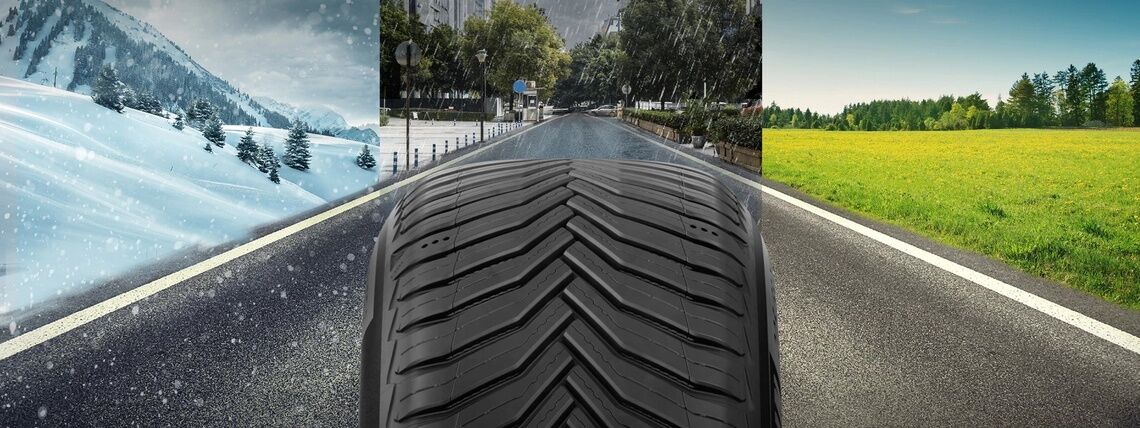
Summer, Winter and All-Season Tires: What Canadian Drivers Need to Know
Choosing the right tire depends on where you live in Canada, the time of year, and how you use your vehicle. Each tire type, whether it's summer, all-season, or winter, has specific strengths and limitations. Knowing when to switch ensures your safety and maximizes performance.View more