- Release the gas pedal gently.
- Steer the car in the direction where the back of the car is sliding.
- Shift to a lower gear quickly and use the engine to slow down.
- Turn on hazard lights as quickly as you can until you regain control.
- Apply hand brake if necessary.

FIND A DEALER
FAQ
Read our Frequently Asked Questions.
Keep both hands firmly on the wheel—do not let go regardless of what the car does.
Ease off the accelerator gradually—do not brake hard initially.
Steer in the direction you want to go (for understeer) or into the skid direction (for oversteer).
Shift to a lower gear quickly to use engine braking to slow the vehicle.
Activate hazard lights as soon as you have a hand free.
Apply the handbrake gently only if necessary to reduce speed further, then bring the vehicle to a controlled stop.
Tire blowout—when a tire loses pressure rapidly, the vehicle pulls strongly to that side.
Hydroplaning on wet roads—all four tires float on a film of water and lose road contact.
Black ice—invisible ice patches can cause sudden, total loss of tire grip.
Mechanical steering failure (rare)—power steering pump failure or steering column issues.
Oversteering or understeering in a corner—excessive speed or sudden inputs can break traction.
Understeer: the front tires lose traction and the car pushes straight ahead instead of turning. Ease off the gas, avoid braking hard, and allow the tires to regain grip before gently steering again. Oversteer: the rear tires lose traction and the rear of the car swings outward. Steer gently into the slide (if the rear goes left, steer left) and ease off the accelerator. Both require smooth, calm inputs—sharp corrections make both situations dramatically worse.
Electronic Stability Control (ESC) significantly reduces the risk of loss-of-control emergencies by applying individual brakes and adjusting engine power to help maintain directional control. However, ESC has limits—it cannot overcome excessive speed, severely worn tires, or complete ice surfaces where no grip exists. It works with the tires you have, not instead of them. Properly inflated, seasonal-appropriate tires are still your most important active safety system. ESC is a safety net, not a substitute for appropriate tires and speeds.
Don't immediately accelerate back to speed—take a moment to assess what caused the event.
Pull over safely when possible and inspect your tires for damage or unusual pressure loss.
Check for any handling changes: persistent pulling, vibration, or steering wheel off-centre can indicate damage.
If you hit something (curb, guardrail, pothole) during the emergency, have the alignment and suspension inspected before further highway driving.
Report black ice or road hazards to 511 or local transport authorities to protect other drivers.
Related articles
-

Brake Problems
If your brakes suddenly feel soft or lose pressure while driving, pump the pedal rapidly to try to build hydraulic pressure, look for a safe exit from the road immediately, and apply the parking brake gradually only as a last resort. This page also covers the warning signs to watch for before brake problems become critical: a spongy pedal, grinding noise, pulling to one side during braking, and a pedal that sits closer to the floor than usual.View more -
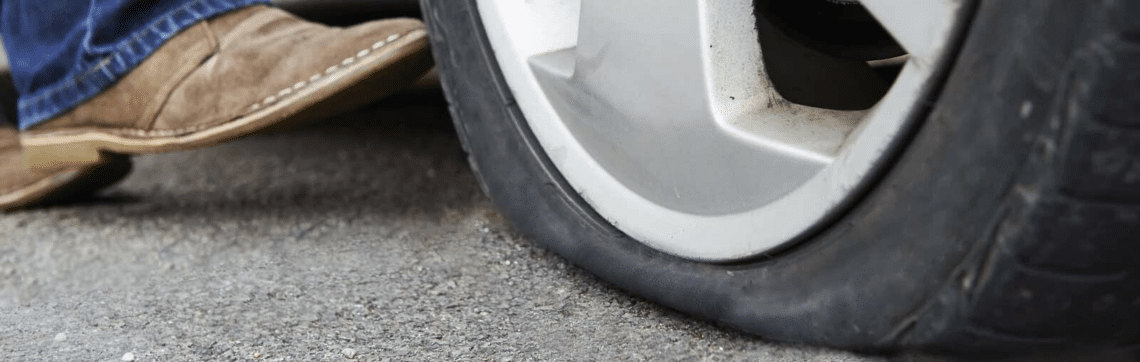
Tire Blowout
Do not brake hard during a blowout. The sudden pull toward the failed side combined with hard braking can cause a spin or roll. The correct response: grip the wheel firmly, maintain your speed briefly to stabilize, ease off the throttle gradually, and steer progressively toward the shoulder as speed drops naturally. This page explains why this approach works, the causes most responsible for blowouts, and the maintenance habits that significantly reduce your risk.View more -
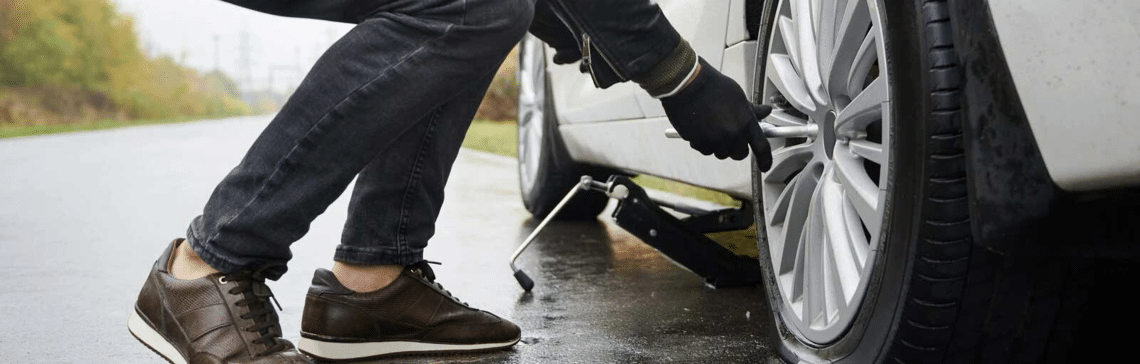
Car Emergency Kit
Your emergency kit needs to answer three questions: Can you be seen by approaching vehicles? Can you stay warm if stranded? Can you move the vehicle or call for help? The core items are warning triangles or reflective flares, a thermal blanket, a portable jump starter or jumper cables, a flashlight with spare batteries, a small shovel, traction aids, and roadside assistance contact details written on paper. For winter travel, add warm spare clothing and extra traction materials.View more -
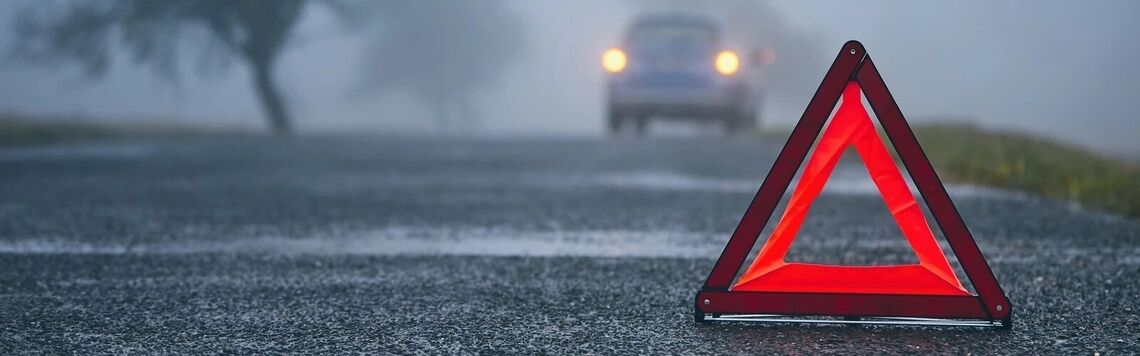
General advice in emergency situations
The response that keeps people safe in a driving emergency is almost always the calmest, most deliberate one. Panic produces sharp inputs that turn manageable situations into serious ones. Activate hazard lights immediately, move progressively and safely off the road, stay inside the vehicle if stopped on a motorway shoulder, and give emergency services your location as specifically as you can. This page reinforces the universal principles that apply across every type of driving emergency.View more