What are the basics?
If you switch between sets of tires, proper storage ensures that your tires’ appearance and performance are maintained.
Tires should always be stored in a cool, dry, clean, indoor environment.
If tires sit outdoors, unused for long periods of time (a month or more), their surfaces will become dry and surface cracks can appear.
Before storing your tires:
Before removing your tires, note their position on your car. This will allow you to properly rotate your tires next time you mount them to ensure that they wear evenly.
Inspect each one for damage or uneven wear.
Clean your wheels and tires with water and dry them well to limit any corrosion.
Remove any stones or debris that have been trapped in the tire grooves.
Storing your tires:
Store your tires indoors in a clean, cool and dark location away from direct sunlight, sources of heat and ozone such as hot pipes or electric generators.
If you are storing outdoors (recommended for a short time only), raise tires off the ground and use waterproof covering with holes to prevent moisture build-up.
Be sure the surfaces on which tires are stored are clean and free from grease, gasoline, solvents, oils or other substances that could deteriorate the rubber.
For aesthetic reasons, if your tires have whitewall or raised white lettering, store them with the whitewall or raised white lettering facing each other. Otherwise, black rubber could stain them.
If tires are on a vehicle parked for a long period, the weight of the vehicle needs to be taken off the tires by jacking it up or removing the tires. Failure to do this may cause irreversible damage.
Tire Registration
Make sure your tires are registered to receive direct notification in the event of a safety-related recall.

FIND A DEALER
FAQ
Read our Frequently Asked Questions.
Clean tires before storing: Wash with water (no harsh chemicals), remove any stones from grooves, and dry thoroughly.
Store in a cool, dark, dry location: Avoid garages exposed to temperature extremes, direct sunlight, or sources of ozone (electric motors, generators).
Store tires on rims: Hang them or stack them horizontally. Do not store them standing upright on the rim.
Store tires without rims: Stand them upright. Do not stack or hang them without a rim.
Keep them off concrete: Bare concrete can draw moisture. Use a pallet or storage bag.
Under ideal conditions (cool, dark, dry, away from ozone sources), tires can be stored for several years without meaningful degradation. However, rubber does age—even in storage—due to oxidation. Tires stored in poor conditions (outdoor, in sunlight, near heat sources) can crack and degrade in as little as one season. Regardless of storage conditions, check stored tires for cracking, stiffness, and sidewall integrity before remounting. Tires older than 6 years should be professionally inspected before use, and those over 10 years should be replaced.
Short-term outdoor storage (a few weeks) is acceptable if tires are elevated off the ground and covered with an opaque, waterproof cover that has ventilation holes (to prevent moisture buildup). Long-term outdoor storage will damage tires: UV exposure degrades rubber, and ozone in the outdoor air accelerates cracking. Indoor storage in a stable environment is strongly preferred for anything beyond a month or two.
Related articles
-
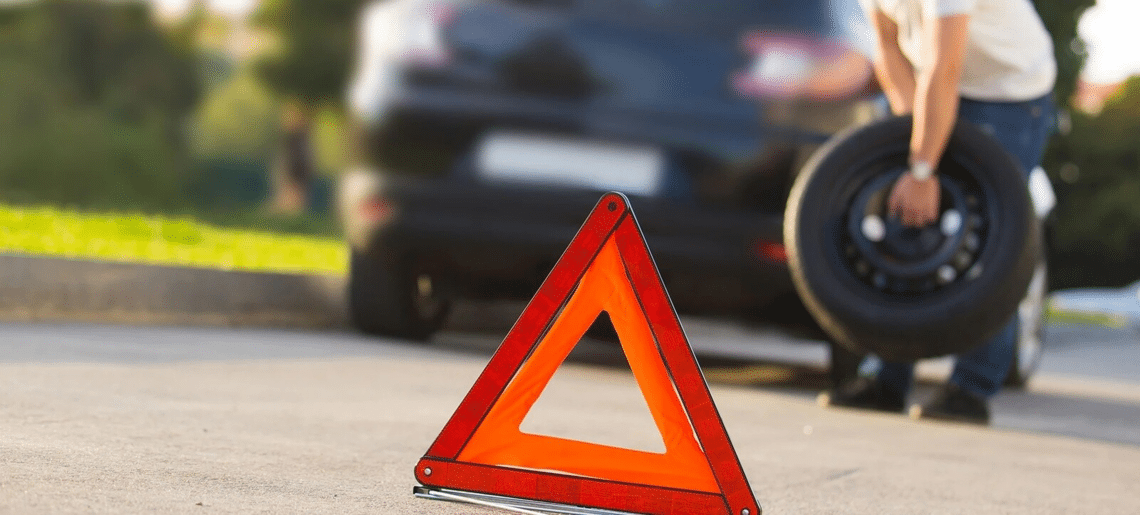
How do I change a tire?
Changing a flat tire on the roadside takes about 20 minutes when you have practiced beforehand. Before you need to do it at night on a busy road, confirm your spare is in the trunk and inflated, find your jack, and know how to use both. This step-by-step guide covers vehicle positioning, safe jacking, lug nut sequence, and what to check before driving away on the spare.View more -

Tire pressure
Correct tire pressure is the single maintenance check that affects the most things simultaneously: safety, tread life, fuel consumption, and handling. Check when tires are cold, before driving or at least three hours after. Use the pressure from your vehicle's door placard or owner's manual, not the maximum on the tire sidewall. Never deflate a hot tire: the higher reading is normal and will correct when the tire cools. Gas station pressure gauges are often unreliable; invest in your own calibrated gauge.View more -
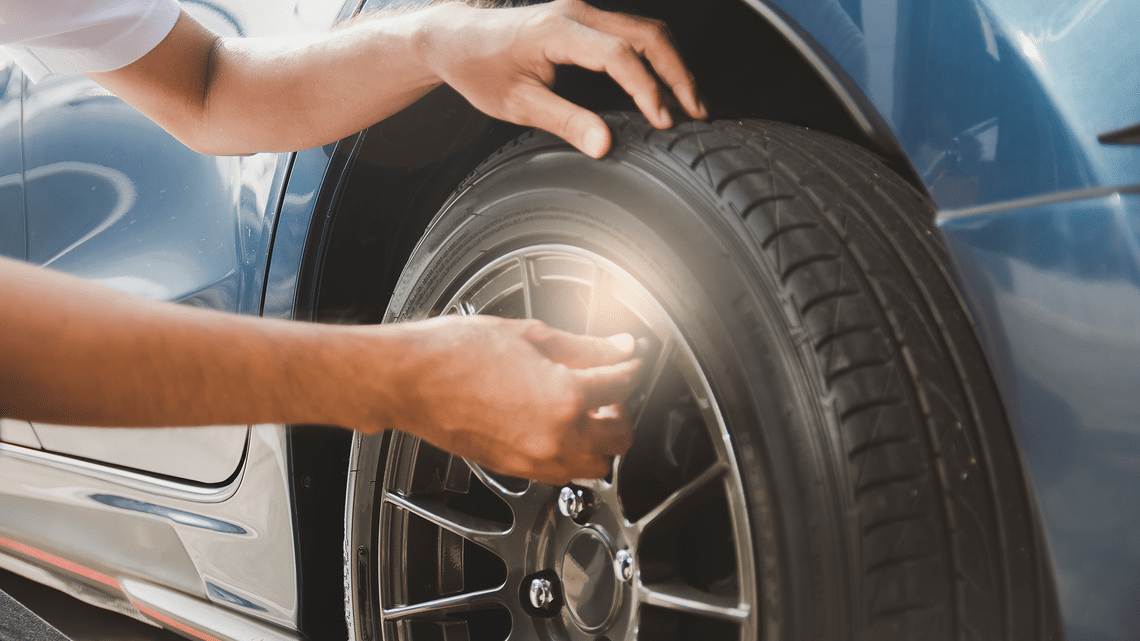
Routine tire care tips
Check your tire pressure at least once a month when tires are cold, before driving or at least three hours after. Use the recommended pressure from your vehicle's door sticker, not the number on the tire sidewall. Inspect tread depth at multiple points across and around the tire, and look for cuts, embedded objects, and sidewall damage before long trips. Rotate tires every 10,000 to 12,000 kilometres. These four habits prevent the majority of preventable tire failures.View more -
Why is tire maintenance important ?
Tires lose air naturally, around one PSI per month, even without a puncture. Running a few PSI below the recommended pressure consistently shortens tire life, increases fuel consumption, and in severe cases can lead to a structural failure at highway speed. This page explains the specific consequences of neglected tire maintenance so the case for regular checks is clear and concrete.View more -

Visual Tire Inspection Before Installation
Before installing new or used tires, undertake a thorough visual check. This step ensures proper mounting and improves tire performance. Skipping or hurrying through this phase may result in vibrations, air loss, handling concerns, or premature tire wear after installation.View more -
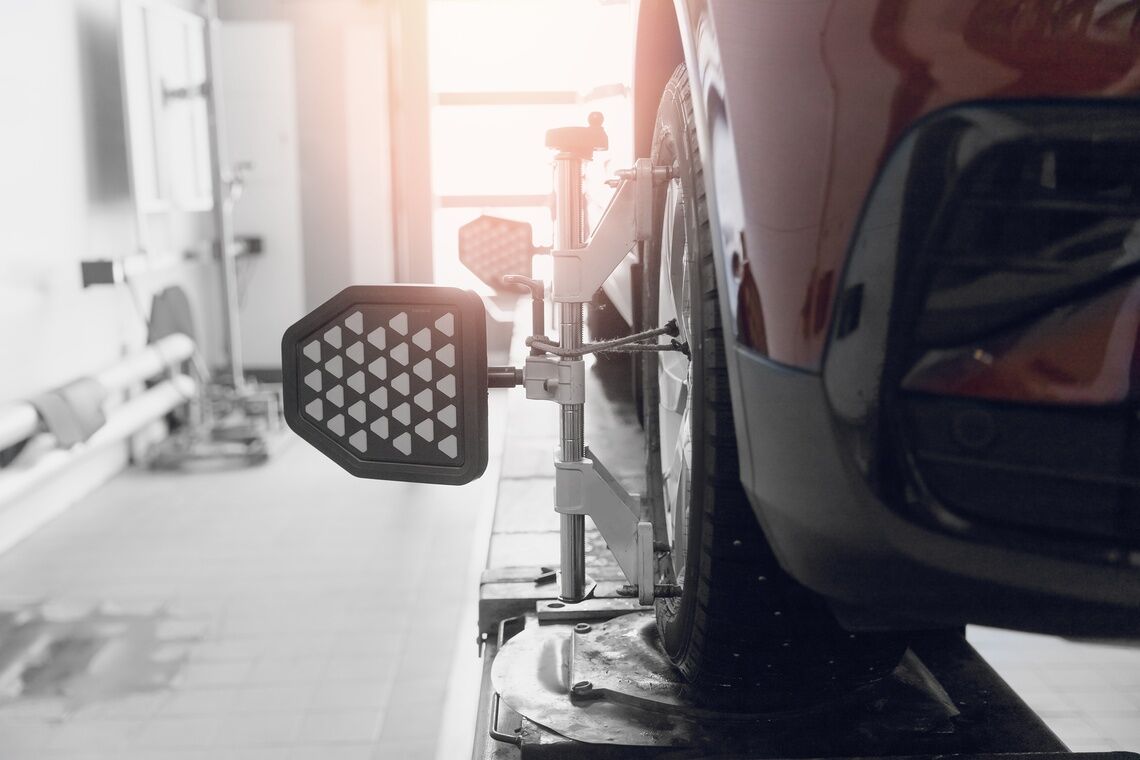
Wheel Alignment and Balancing: Why They Matter
Wheel alignment and wheel balancing are important yet often misinterpreted services that impact tire performance. While these services are frequently recommended together, each addresses distinct issues that significantly influence tire wear, vehicle handling, and operational efficiency.
Understanding how alignment, balancing, mounting, and wheel fitment work together can help you protect your tires, improve driving comfort, and avoid unnecessary wear.View more -
Can my Tire be repaired
Minor tread damage in the central portion of the tread, away from the shoulders and sidewall, is often repairable by a trained professional. Sidewall punctures or tears, damage near the shoulder, and damage to a tire that has been driven flat cannot be repaired. Do not attempt to repair a tire yourself. A proper repair requires removing the tire from the wheel for full internal inspection before deciding whether a repair is safe. This page explains the conditions under which repair is appropriate and when replacement is the only responsible choice.View more