Avoid Mixing Tires (Including Winter Tires)
Every tire on an car should have the same size, type (summer, all-season, winter, all-terrain, directional), speed rating, load capacity, and construction (radial, non-radial, or run-flat). Predictable handling, effective braking, and appropriate vehicle system operation are all supported by maintaining consistent tire parameters.
Since winter tires are made to function as a whole set, this advice also applies to them. Installing winter tires on only one axle can create a traction imbalance between the front and rear of the vehicle. As mentioned, this imbalance can negatively affect handling and stability when road conditions vary.
The main exception to these rules occurs when a vehicle was initially fitted with varying tire sizes on the front and rear axles, as indicated by the manufacturer.
If Mixing Is Unavoidable
If mixing tires cannot be avoided, consider the following points:
Tires on the same axle must always be the same size. Variations in size can adversely affect vehicle balance, steering response, and braking.
Vehicles equipped with ABS, traction control, all-wheel drive (AWD), or four-wheel drive (4WD) may require tires with matching diameters at all positions. Even slight size differences can affect vehicle systems and put additional stress on driveline components.
It is not recommended to combine tires with differing speed ratings. If that should be the case, the highest speed attainable by the vehicle is capped at that of the tire with the lowest rating, potentially affecting overall handling.
New Tires vs. Worn Tires: Tread Depth Matters
To achieve optimal vehicle performance, it is advisable to replace all tires simultaneously with matching specifications. Nevertheless, if you are only replacing two:
Install the tires with deeper tread on the rear axle to help maintain stability and wet grip.
Large differences in tread depth can affect handling, consult the vehicle manufacturer if unsure.
FAQ
Can You Mix Different Tires on a Vehicle?
Even if the sizes are identical, various brands or models may feature distinct tread patterns and performance attributes. It is advisable to use matching tires.
Replacing only one tire can affect handling and traction. If necessary, it should be paired with a tire that has a similar tread depth.
AWD and 4WD systems often need all tires to have the same diameter. Variations can cause extra strain on driveline components.
Winter tires are designed to work as a complete set. Mixing them with non-winter tires can negatively affect vehicle stability.

FIND A DEALER
Related articles
-

When to Replace Tires
There is no single rule that determines how long a tire will last. Tire lifespan depends on a combination of factors, including tire design, driving habits, climate, road conditions, and how well the tires are maintained.
Rather than relying on mileage alone, Michelin recommends regular inspections and attention to both visible and performance-related signs that may indicate a tire needs to be replaced.View more -

How to Choose the Right Tires
Where you live in Canada, the time of year, and how you use your vehicle are the three most important factors in choosing the right tire. A driver in Vancouver who rarely sees ice has very different needs from a driver in Montreal who navigates snow from November through April. This page guides you through the questions that narrow your choice: your climate, your driving environment, your driving style, and whether all-season tires are genuinely sufficient for the winter conditions you actually face.View more -

How to Prepare for a Tire Dealer Visit
The more prepared you are before visiting a tire shop, the better your purchase. Know your tire size (from the sidewall of your current tires or the door placard), think about the weather conditions and road types you regularly encounter, and know your driving priorities. Michelin's Tire Selector tool lets you find compatible tires and print or send the results before your appointment. This page provides the questions to ask the dealer and the information to have ready.View more -

Choosing the Right Tire Size for Your Vehicle
Choosing the correct tire size is essential to ensure proper fitment, performance, and safety. Tire size information is defined by standardized tire markings and can be found on the tire sidewall, in your vehicle owner’s manual, or on the vehicle tire information placard. Understanding where to find this information and how to interpret it helps ensure replacement tires meet your vehicle manufacturer’s specifications.View more -
Do I Need Seasonal Tires?
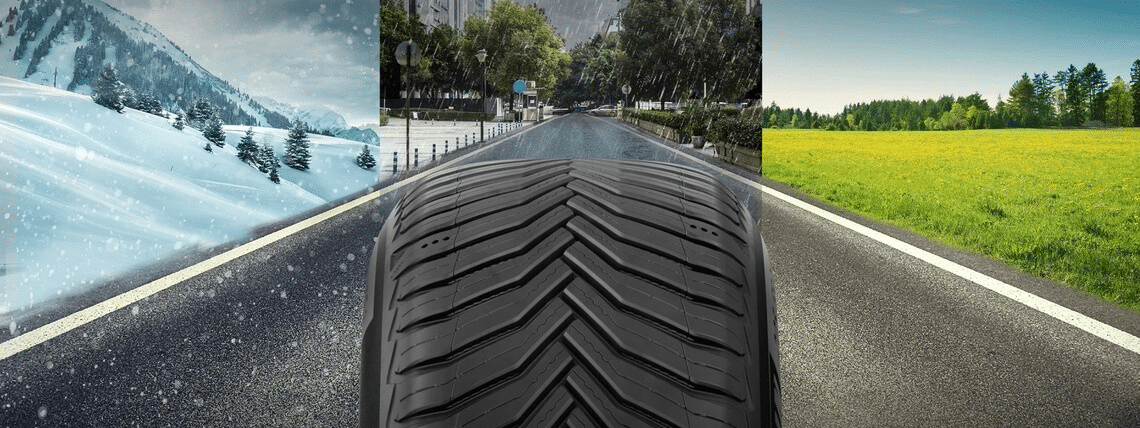
Your tires need to be adapted to your current weather conditions. All-season tires handle everyday conditions but may not be sufficient for the severe winter conditions in many parts of Canada. Summer tires are designed for warm-weather performance and should not be used where temperatures approach freezing regularly. Winter tires are specifically designed for snow, slush, ice, and cold, dry pavement where other tire categories become less effective. This page helps you identify the right tire type for where you live and drive.View more -

Winter Tire Buying Guide for Canada
Whether you’re a first-time car owner, new to Canadian winters, or just looking to make the safest choice for your vehicle, this guide explains everything you need to know about buying winter tires. From the difference between winter, all-season, and summer tires to regulations and studded options, here’s how to stay safe in Canada’s coldest months.View more -
Changing Tire Size or Specifications
View more -
How to compare tires?
On what basis should you compare tires to select the one that will give you complete satisfaction? This article is about the main performance criteria to consider, the decision aids you can use and Michelin's best advice. We will discuss how to select the one you need within the same tire line and provide you with decision aids, such as independent tire tests, labelling and tire comparison sites. Finally, we will discuss another important criterion: long term performance.View more -

Michelin-Developed Marked Tires
Michelin feels that while creating high-performance tires, strong cooperation with automakers is crucial. Every car type has unique features that affect how a tire should function, including weight distribution, power output, chassis configuration, and suspension adjustment.
These features are closely matched in Michelin-developed designated tires. They help guarantee that the tire functions as intended on the model for which it was authorized because they are designed to satisfy the specifications established jointly by Michelin and the automaker.View more -
Do I need new tires ?
View more -
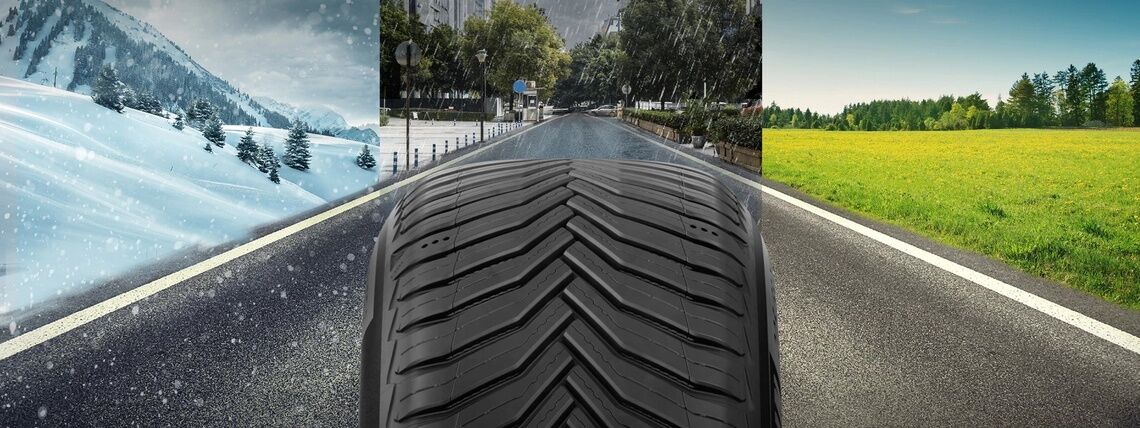
Summer, Winter and All-Season Tires: What Canadian Drivers Need to Know
Choosing the right tire depends on where you live in Canada, the time of year, and how you use your vehicle. Each tire type, whether it's summer, all-season, or winter, has specific strengths and limitations. Knowing when to switch ensures your safety and maximizes performance.View more