What should you think about when choosing a tire?
Once you know what size tires can fit your car, you need to be able to choose among the different types of tires. Tires may look similar, but they can be optimized to perform for very different conditions and usages.
Think about the following things:
What weather conditions do I drive in? What are the worst situations I may face?
Where will I be driving? City streets, long highways, or forest paths require different performance characteristics.
What is your driving style: do you like to feel every curve or be cushioned from the road?
Read the rest of our tips to dive deeper into each question.
What weather conditions do you drive in?
Your tires have to handle a wide variety of climatic conditions: rain, high heat, snow, ice, and so on. These all affect tire performance, so to make sure you stay safe you need to buy tires that will perform not only in your most common climate conditions, but also in the most extreme conditions that you will face.
The climate is relatively warm:
You can choose to buy all season tires and/or summer tires.
The climate is seasonal: in winter, temperature goes below 7˚ Celsius
Temperature does not go below freezing....
You can choose to buy all season tires and/or summer tires.
The climate is seasonal:
In winter, temperature goes below freezing....
To maximize your safety in all conditions you need:
One set of summer tires and
One set of winter tires
OrOne set of all-season tires.
The climate is seasonal with severe winter:
Temperature goes below freezing with heavy snow or ice.
To maximize your safety in all conditions we recommend one set of summer or all-season tires and one set of winter tires. All-season tires may not be sufficient for the severe winter conditions in your area.
What type of roads?
Different usage conditions require different tire characteristics.
For mainly city driving, look for:
Braking distance: Use tires with the optimum braking distance, on both dry and wet roads.
Longevity: City driving with its numerous stops and starts puts great demands on the tire. Choose tires with increased longevity.
Fuel economy: Tires with low rolling resistance save fuel.
For mainly road or highway driving, look for:
Braking distance at high speed: For maximum safety, select tires that provide optimum braking distance on both dry and wet roads.
Comfort: For long trips, choose tires that offer comfort both in terms of vibration and noise level.
Handling: Select tires that provide excellent grip and stability.
If you drive on unpaved roads:
Look for tires that provide off-road traction and maximum durability.
What is your driving style?
To make sure that you enjoy your drive, look for tires that match the way you like to drive.
If you like a quiet comfortable ride, look for tires that specifically mention comfort, smooth ride, or low road noise. Generally speaking, touring tires with lower speed rating (S, T or H ratings on the sidewall) are optimized for more comfort instead of more speed – it's recommended to never go below the speed rating specified by the manufacturer of your vehicle. Also, avoid aggressive tread designs – they may look cool but can generate lots of road noise.
If you like to feel every curve, look for tires that mention great handling or steering precision. These are often called high-performance tires and have higher speed ratings, meaning that they are optimized to provide better control and a stiffer, more precise ride.

FIND A DEALER
FAQ
Read our Frequently Asked Questions.
Performance ratings relevant to your driving conditions should come first. A tire that's on sale but has poor wet braking performance is a worse investment than a mid-priced tire that excels in rain—especially in Canada's climate. After confirming the tire meets your safety and seasonal requirements, consider brand reputation and warranty terms. Price is the last filter: the cheapest tire per unit often costs more over its lifetime in reduced fuel economy, faster wear, and earlier replacement. Michelin's research consistently shows that tires with high rolling resistance and poor wet performance represent a false economy.
Performance ratings relevant to your driving conditions should come first. A tire that's on sale but has poor wet braking performance is a worse investment than a mid-priced tire that excels in rain—especially in Canada's climate. After confirming the tire meets your safety and seasonal requirements, consider brand reputation and warranty terms. Price is the last filter: the cheapest tire per unit often costs more over its lifetime in reduced fuel economy, faster wear, and earlier replacement. Michelin's research consistently shows that tires with high rolling resistance and poor wet performance represent a false economy.
Think about how you actually use your car:
City commuters and highway drivers who want a quiet, smooth ride: look for touring all-season tires rated for comfort (typically H or T speed ratings). They're optimized for longevity and noise reduction.
Drivers who enjoy sporty handling and precise steering feel: high-performance tires with V, W, or Y speed ratings offer better grip and response, but usually at the cost of tread life and ride firmness.
Most Canadian drivers (especially outside major urban centres): an all-weather tire with the 3PMSF symbol offers year-round capability without seasonal swaps, balancing safety and convenience.
3PMSF certification (Three-Peak Mountain Snowflake): mandatory if you plan to use one set year-round in winter conditions
Wet braking performance: Canada gets significant rain and slush—wet grip is a safety-critical spec
Low rolling resistance: reduces fuel costs over thousands of kilometres
Tread life warranty: look for higher mileage warranties on tires you plan to run as primary year-round rubber
Noise and comfort ratings: particularly relevant for highway-heavy commuters
Related articles
-

When to Replace Tires
There is no single rule that determines how long a tire will last. Tire lifespan depends on a combination of factors, including tire design, driving habits, climate, road conditions, and how well the tires are maintained.
Rather than relying on mileage alone, Michelin recommends regular inspections and attention to both visible and performance-related signs that may indicate a tire needs to be replaced.View more -

How to Prepare for a Tire Dealer Visit
The more prepared you are before visiting a tire shop, the better your purchase. Know your tire size (from the sidewall of your current tires or the door placard), think about the weather conditions and road types you regularly encounter, and know your driving priorities. Michelin's Tire Selector tool lets you find compatible tires and print or send the results before your appointment. This page provides the questions to ask the dealer and the information to have ready.View more -
Can You Mix Tires? What to Know Before You Do
Maintaining your car in the configuration set by the manufacturer is the safest approach for tire replacement. This means following the tire specifications outlined on your car's placard, in the owner's manual, and in any OE (original equipment) technical bulletins. This is essential, as these documents take into consideration how the car was built to manage load, steering, braking, and stability, especially when replacing just one or two tires.View more -

Choosing the Right Tire Size for Your Vehicle
Choosing the correct tire size is essential to ensure proper fitment, performance, and safety. Tire size information is defined by standardized tire markings and can be found on the tire sidewall, in your vehicle owner’s manual, or on the vehicle tire information placard. Understanding where to find this information and how to interpret it helps ensure replacement tires meet your vehicle manufacturer’s specifications.View more -
How to compare tires?
On what basis should you compare tires to select the one that will give you complete satisfaction? This article is about the main performance criteria to consider, the decision aids you can use and Michelin's best advice. We will discuss how to select the one you need within the same tire line and provide you with decision aids, such as independent tire tests, labelling and tire comparison sites. Finally, we will discuss another important criterion: long term performance.View more -
Do I Need Seasonal Tires?
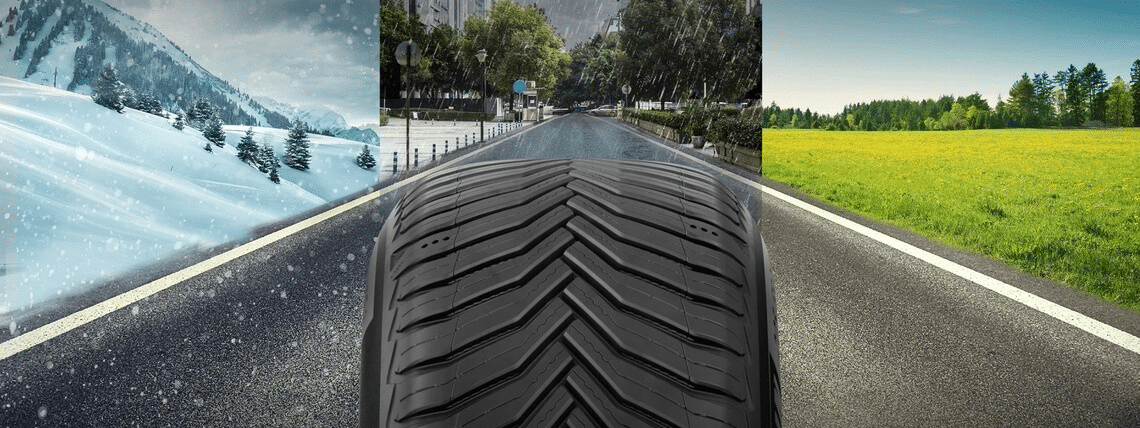
Your tires need to be adapted to your current weather conditions. All-season tires handle everyday conditions but may not be sufficient for the severe winter conditions in many parts of Canada. Summer tires are designed for warm-weather performance and should not be used where temperatures approach freezing regularly. Winter tires are specifically designed for snow, slush, ice, and cold, dry pavement where other tire categories become less effective. This page helps you identify the right tire type for where you live and drive.View more -

Winter Tire Buying Guide for Canada
Whether you’re a first-time car owner, new to Canadian winters, or just looking to make the safest choice for your vehicle, this guide explains everything you need to know about buying winter tires. From the difference between winter, all-season, and summer tires to regulations and studded options, here’s how to stay safe in Canada’s coldest months.View more -
Changing Tire Size or Specifications
View more -

Michelin-Developed Marked Tires
Michelin feels that while creating high-performance tires, strong cooperation with automakers is crucial. Every car type has unique features that affect how a tire should function, including weight distribution, power output, chassis configuration, and suspension adjustment.
These features are closely matched in Michelin-developed designated tires. They help guarantee that the tire functions as intended on the model for which it was authorized because they are designed to satisfy the specifications established jointly by Michelin and the automaker.View more -
Do I need new tires ?
View more -
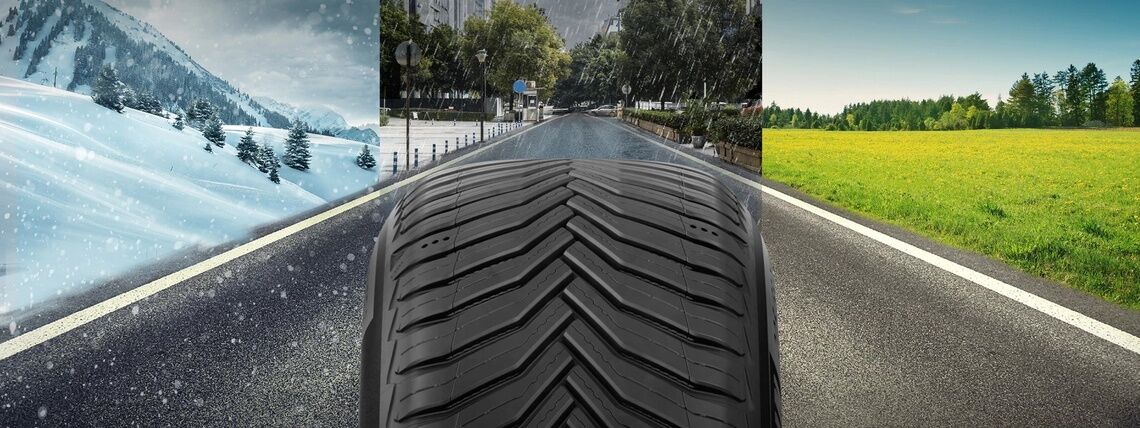
Summer, Winter and All-Season Tires: What Canadian Drivers Need to Know
Choosing the right tire depends on where you live in Canada, the time of year, and how you use your vehicle. Each tire type, whether it's summer, all-season, or winter, has specific strengths and limitations. Knowing when to switch ensures your safety and maximizes performance.View more