Proper Tire Handling and Installation Safety
Safe tire mounting and optimal performance are ensured by proper tire handling and installation. Tires should only be mounted or demounted by qualified experts since incorrect methods can harm the tire or result in bead-seating failures during inflation.
Before installation, always make sure the rim and tire diameters match.
To ensure appropriate seating, clean and lubricate the rim surfaces and beads.
Make use of authorized tools like an inflatable cage or other form of restraint.
When trying to seat the beads, never go over 40 psi (280 kPa).
Tires that are accidentally placed on the wrong rim should be removed from use rather than remounted since internal damage may not be visible. These steps reduce the risk of damage and maintain the structural integrity of the tire.
Rules for Speed-Rated Tire Inspections and Load Limits
Each tire is made to function within a certain range of loads and speeds. Tire failure, severe heat accumulation, or early damage might result from exceeding these limitations.
Load Limits
Never exceed the load capacity molded on the tire sidewall or shown on the vehicle’s tire placard, whichever is lower.
Overloading can significantly increase internal temperature and may cause structural damage.
Speed-Rated Tire Care
Speed-rated tires are engineered to handle higher speeds when properly inflated and loaded. To maintain their capability:
Follow recommended inspection procedures to identify internal or external damage.
Speed-rated tires may be repaired, but only within strict industry limits (e.g., punctures ¼ inch or smaller, spaced appropriately, and performed by trained technicians).
Original equipment speed-rated tires should be replaced with tires of an equal or higher rating to maintain the vehicle’s designed speed capability.
These checks help ensure your tires continue to perform safely under varying driving conditions.
Best Practices for Safe Inflation to Prevent Blowouts
One of the most crucial things a driver can do to support tire longevity and safety is to maintain appropriate inflation pressure. The likelihood of a blowout can be raised by both under- and over-inflation.
Safe Inflation Guidelines
Before long excursions and at least once a month, check the tire pressure.
When tires are cold, that is, after being parked for at least three hours or driven less than two kilometers, you should always check the pressure.
Use a trustworthy gauge and adhere to the recommended pressure shown on the owner's handbook or tire placard for the car.
Readings will be inaccurate if you bleed air from a heated tire.
Under-inflation can result in interior damage because it increases flexing and heat buildup.
Overinflation can decrease traction and increase a tire's susceptibility to impact damage.
Maintaining correct inflation helps prevent heat buildup and reduces the risk of sudden tire failure.
FAQ
Tire Safety Information and Best Practices
According to Michelin safety guidelines and vehicle manufacturer recommendations, tire pressure should be checked at least once a month and before extended driving. Pressure should be measured when tires are cold, after the vehicle has been parked for at least three hours or driven less than 2 km.
Under-inflation can cause excessive flexing and heat buildup, which may lead to internal tire damage or failure. Over-inflation can increase susceptibility to impact damage and may affect vehicle handling and traction.
Improper tire mounting or inflation procedures can cause bead seating failures and, in some cases, explosive force during inflation. Michelin safety guidelines recommend that tire mounting and demounting be performed only by trained professionals using approved equipment and procedures.
Most passenger vehicle tires should be replaced when tread depth reaches 2/32 inch (1.6 mm), as indicated by treadwear indicators. Using tires below this level increases the risk of reduced traction and tire damage.
Impacts from potholes, curbs, or road debris may cause internal tire damage that is not visible externally. Michelin safety guidelines recommend that tires experiencing a significant impact be inspected by a trained tire professional, which may require demounting the tire.
Tire Registration
Make sure your tires are registered to receive direct notification in the event of a safety-related recall.

FIND A DEALER
FAQ
Read our Frequently Asked Questions.
A safe tire checks four boxes: adequate tread depth (above 2/32", ideally above 4/32" for winter use), correct inflation pressure, no visible damage (cuts, bulges, cracking, or exposed cords), and an age of under 10 years. Perform a quick visual inspection monthly and check tire pressure at the same time—before a long trip at minimum. If you see a sidewall bulge, a nail in the tread, or any cracking at the base of the grooves, get the tire inspected by a professional before driving further.
Chronic underinflation, which causes heat buildup and internal structural damage over time
Impact damage from potholes or curbs, which can break internal cords without leaving obvious external marks
Tread wear past the safe minimum
Overloading a vehicle beyond the tire's load rating is also a significant risk, as is mixing tire types or sizes, which can cause handling instability.
Yes, and it's easy to overlook. Registering your tires with the manufacturer means you'll be notified directly if there's ever a safety recall. Without registration, you'd have to discover a recall on your own—which doesn't always happen in time. Michelin offers tire registration through its website and encourages all customers to register new tires at the time of purchase.
In Ontario, studded tires are only permitted for vehicles registered in northern Ontario's specified zones, and only during winter months. They're prohibited for most southern Ontario drivers. In Quebec, studded tires are permitted between October 15 and May 1 for passenger vehicles. Regulations vary by province, so check your local transport authority's rules before installing studded tires. Most Canadian drivers find that high-quality non-studded winter tires (like Michelin's X-Ice series) deliver excellent ice and snow traction without the legal and road-surface complications of studs.
Related articles
-

How Tires Are Made
Your tire is built from more than 200 individual materials, including natural rubber, synthetic rubber, steel wire, and textile cords. These layers are assembled and then cured under heat and pressure in a mold, bonding everything into a single structure capable of carrying vehicle weight, managing heat at speed, and maintaining grip across thousands of kilometers. Understanding this process helps explain why correct pressure, avoiding overloading, and replacing worn tires matter as much as they do.View more -

Why do tires matter ?
Your tires are the only thing standing between your vehicle and the road. Your ability to brake, turn, accelerate, and maintain stability in rain, snow, or ice all depend directly on tire grip. This page shows you what that contact patch actually does, how tires behave differently in difficult conditions, and why choosing and maintaining the right tire is one of the most important safety decisions you make as a driver.View more -
Spare Tire
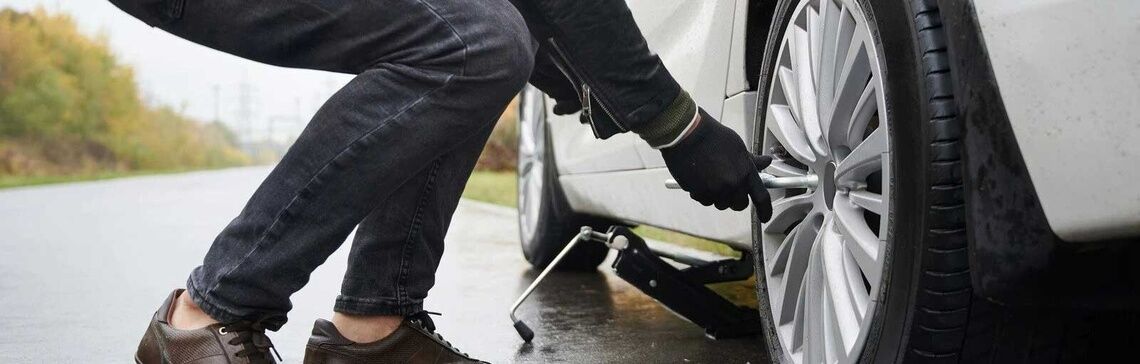
A compact temporary spare has strict limits: lower maximum speed and a short maximum distance before it must be replaced with a proper tire. Exceeding these limits risks damage to the spare, the rim, and potentially the vehicle. This page covers how to use your spare correctly, what checks to do before fitting it, and why reaching a tire center promptly matters more than it might seem.View more -

Understanding Tire Performance Characteristics
Performance tires grip harder and respond faster than standard tires, but they make specific trade-offs to deliver that. Their softer compounds wear faster, perform less effectively in cold temperatures, and are less forgiving on rough or potholed roads. If you drive a performance vehicle or want sharper handling, this page explains exactly what you gain and what you give up so you can choose with confidence.View more -
Understanding Tire Load Rating and Speed Rating
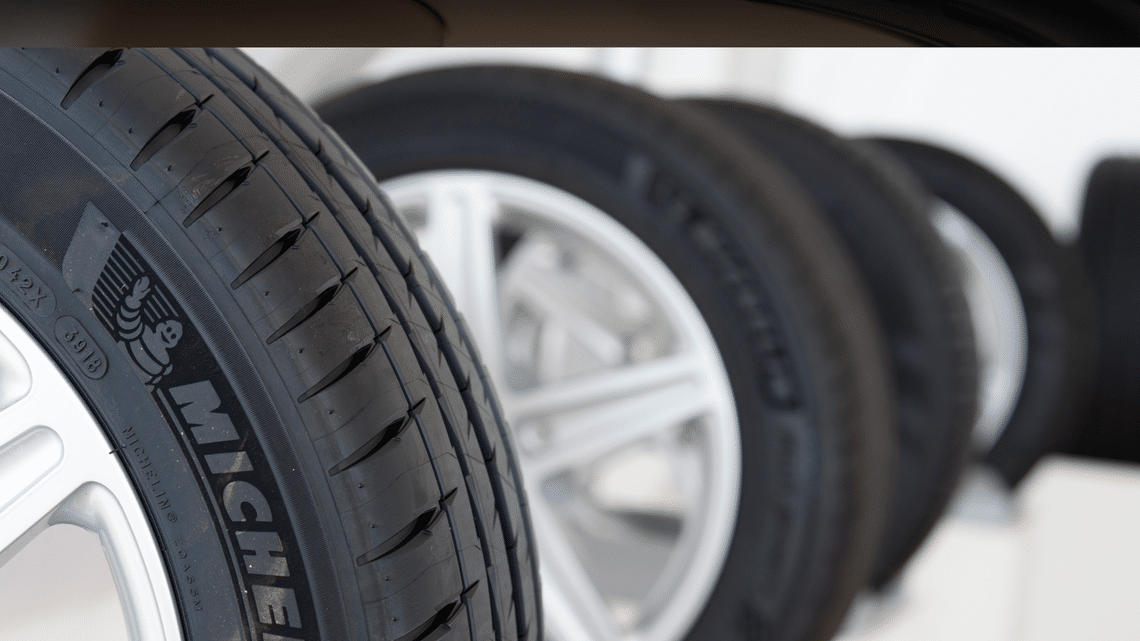
Standardized tire marks establish tire load rating and speed rating, two crucial safety indicators. When properly inflated and loaded, these ratings indicate the maximum speed and weight that a tire can support. When changing tires, it's critical to recognize and honor these indications to make sure your car keeps operating as it should.View more -
Tire Markings Explained: How to Read a Tire
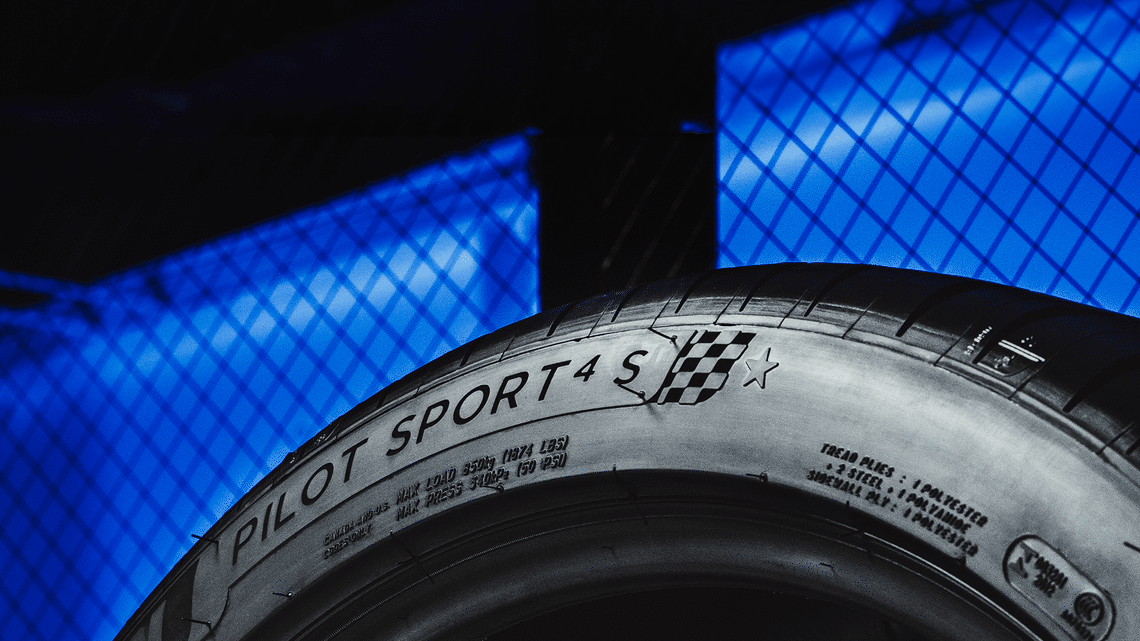
If you look at the sidewall of your tire, you will notice numerous standardized numbers, letters, and symbols. These tire markings provide essential information about the tire’s size, construction, load capacity, speed capability, and intended use.
Understanding how to read tire markings helps you select appropriate replacement tires and ensures compatibility with your vehicle’s specifications and overall tire safety. These markings are defined by industry standards and are referenced by vehicle manufacturers when specifying original equipment tires.View more -
Tire Tread Depth: Legal Limits and What to Know
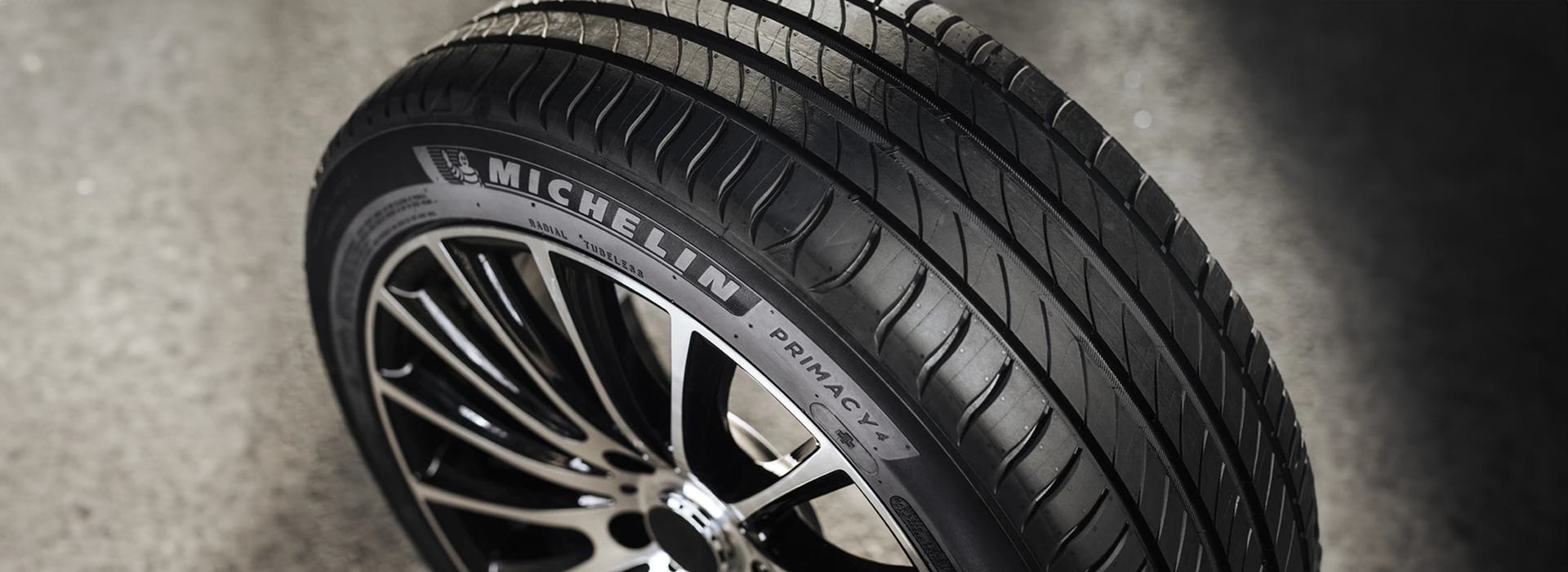
A tire is designed to meet performance requirements. But beyond a certain level of wear, it needs to be changed. What is the role of the tread? Up to what level of wear does the tire remain effective? And what is the legal minimum tread depth for changing your tires? Find out the answers to all your questions.View more -

Run-Flat Tires: How They Work, Benefits, and Proper Care
After a tire loses air pressure, run-flat tires are designed to help drivers keep control and continue driving for a limited distance. By reducing the need for quick roadside tire changes, this added mobility enhances convenience and safety.
Like all tires, run-flat tires require proper maintenance, inspection, and servicing to perform as intended. Understanding how run-flat tires work and how they should be cared for helps drivers make informed decisions and protect long-term tire performance.View more