Why it is important?
It ensures your safety
Your tires are the only point of contact that your vehicle has with the road – they need to be in good working condition at all times to ensure your safety.
To avoid any problems, follow these important care tips:
Inspect your tire:
You may not always notice if one of your tires has been damaged. Inspect your tires regularly for wear and any damage to avoid any sudden problems. Also, have a professional inspect your tires every year.
Check the air pressure:
Driving with incorrect tire pressures can affect a vehicle’s handling and braking, particularly in wet conditions, and can seriously compromise your safety. Driving on severely under-inflated tires can cause heat build-up and eventually a premature failure. Check your tire pressure monthly and before every long trip.
Respect the load capacity:
Do not exceed the load capacity relative to the tire’s load index. Tires loaded beyond their maximum loads can build up excessive heat that may result in sudden tire destruction.
Driving at high speed* can damage your tire:
At greater speeds, tires have greater a chance of being damaged by road hazards or heat build-up. High speeds can also contribute to a rapid air loss or even a sudden tire explosion, which can cause the loss of control of the vehicle.
Use your spare tire!
If you see any damage to a tire or wheel, replace it with your spare tire and have your tire checked by a professional.
*Exceeding the safe, legal speed limit is neither recommended nor endorsed.
It will help me save
Checking tire air pressure, and regular tire maintenance such as rotation, alignment and inspections can help you save money
It can extend the life of your tires so you don’t have to buy as often
Simple things like checking your tires’ pressure to make sure that they are properly inflated can make a real difference in how long your tires last. Under or over-inflated tires don’t wear evenly and won’t last as long. For example, a tire that is consistently 20% under- inflated can last 20% less. That means a tire that should normally last 60,000 miles would be worn out by 48,000 miles. Also, since the front and rear axles and right and left sides of your car wear down your tires differently, rotating your tires regularly between the different positions will ensure they wear evenly and last longer.
It can save you money on fuel
Under-inflated tires are one of the biggest causes of using excess fuel.
Under-inflated tires have higher rolling resistance, which means it takes more effort from the engine to move your vehicle.
Tire Registration
Make sure your tires are registered to receive direct notification in the event of a safety-related recall.
FAQ
Read our Frequently Asked Questions.
Because tires are the foundation of every safety system on your vehicle. ABS, ESC, and traction control all rely on tires that can actually grip the road. A properly maintained tire—correctly inflated, with adequate tread, and evenly worn—delivers that grip. A neglected tire compromises it. The consequences can be severe: increased stopping distances in wet or icy conditions, loss of control in emergency manoeuvres, or a blowout at highway speed. In Canada's climate, where you can encounter black ice, slush, and standing water in the same week, tire safety is not optional.
Yes, meaningfully. Properly inflated tires improve fuel economy by up to 3%. Regular rotation can extend tire life by 20–30%, delaying a $1,000+ replacement set. Catching an alignment issue early costs $80–150 to fix and can save thousands in premature tire wear. The cost of routine maintenance is a fraction of the cost of replacing tires early or dealing with the consequences of a preventable blowout.
Related articles
-
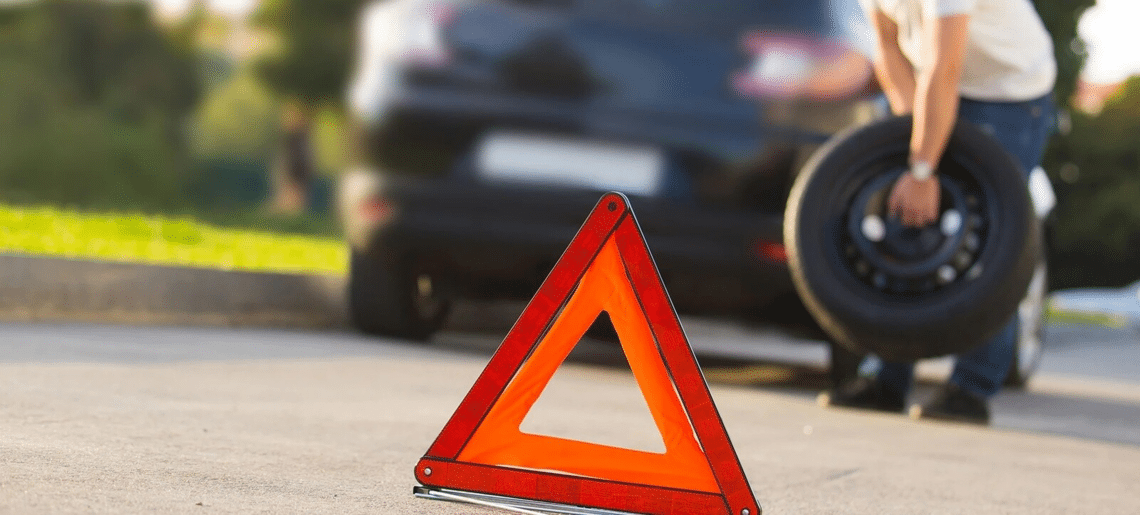
How do I change a tire?
Changing a flat tire on the roadside takes about 20 minutes when you have practiced beforehand. Before you need to do it at night on a busy road, confirm your spare is in the trunk and inflated, find your jack, and know how to use both. This step-by-step guide covers vehicle positioning, safe jacking, lug nut sequence, and what to check before driving away on the spare.View more -

Tire pressure
Correct tire pressure is the single maintenance check that affects the most things simultaneously: safety, tread life, fuel consumption, and handling. Check when tires are cold, before driving or at least three hours after. Use the pressure from your vehicle's door placard or owner's manual, not the maximum on the tire sidewall. Never deflate a hot tire: the higher reading is normal and will correct when the tire cools. Gas station pressure gauges are often unreliable; invest in your own calibrated gauge.View more -
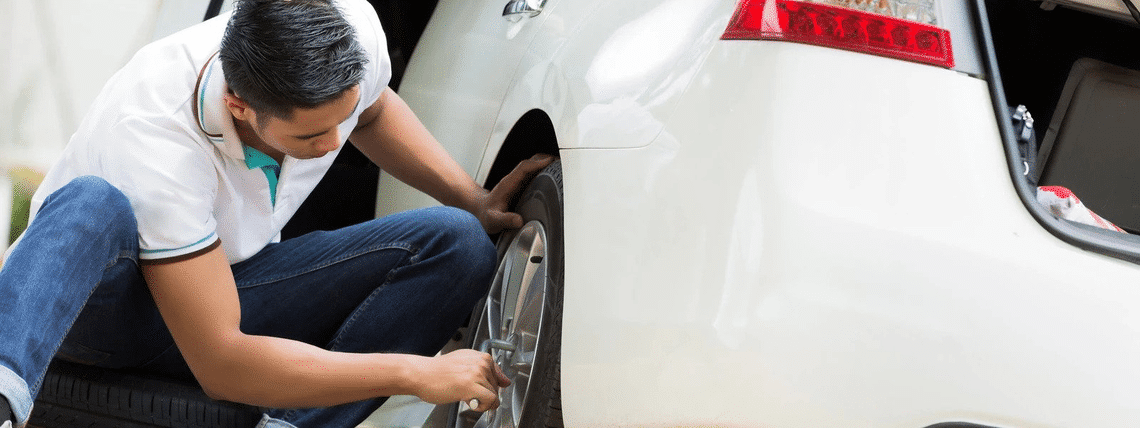
Can my Tire be repaired
Minor tread damage in the central portion of the tread, away from the shoulders and sidewall, is often repairable by a trained professional. Sidewall punctures or tears, damage near the shoulder, and damage to a tire that has been driven flat cannot be repaired. Do not attempt to repair a tire yourself. A proper repair requires removing the tire from the wheel for full internal inspection before deciding whether a repair is safe. This page explains the conditions under which repair is appropriate and when replacement is the only responsible choice.View more -
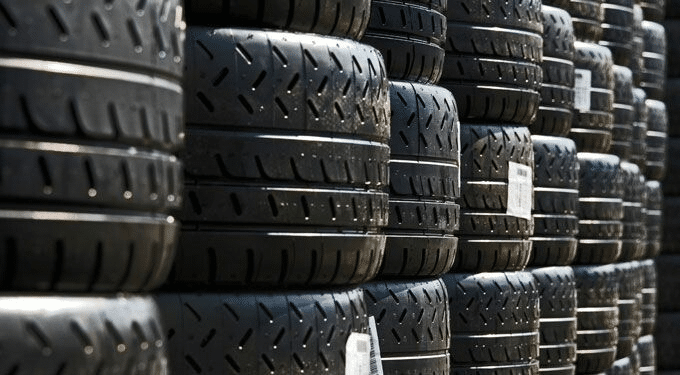
Storing my tires
Before storing seasonal tires, note their position on the vehicle so you can rotate correctly next season. Clean with water and dry thoroughly to prevent corrosion. Store indoors in a cool, dark location away from sunlight, heat sources, and ozone generators such as electric motors. If tires are mounted on rims, stack them horizontally. If unmounted, store them upright side by side. If a vehicle will be parked for an extended period, jack it up or remove the tires to prevent the weight of the vehicle from damaging the tires permanently.View more -
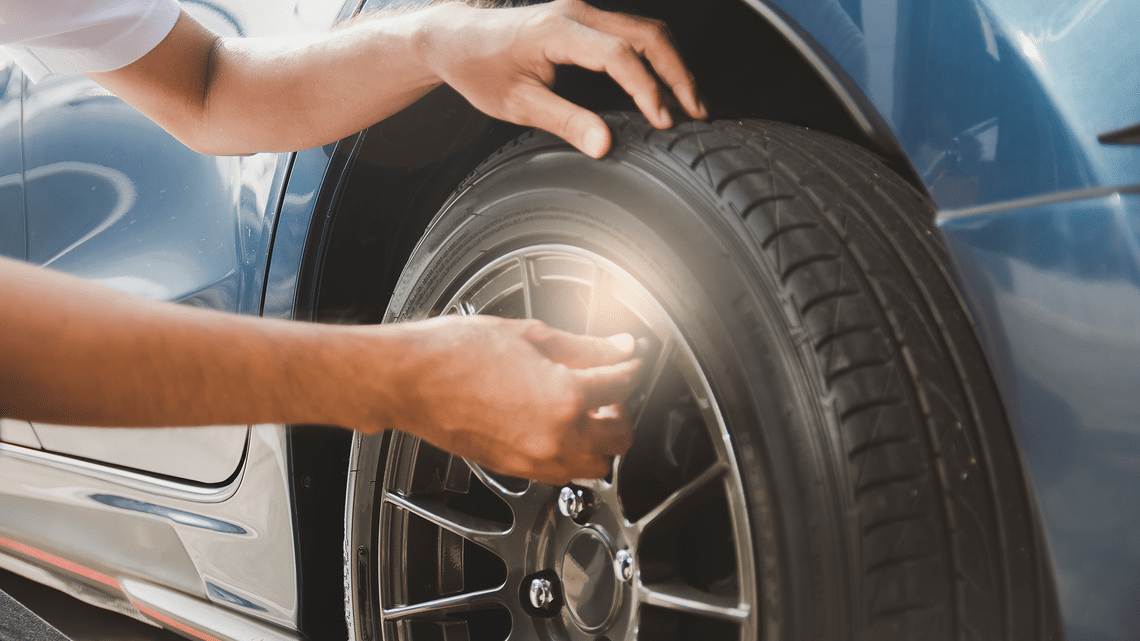
Routine tire care tips
Check your tire pressure at least once a month when tires are cold, before driving or at least three hours after. Use the recommended pressure from your vehicle's door sticker, not the number on the tire sidewall. Inspect tread depth at multiple points across and around the tire, and look for cuts, embedded objects, and sidewall damage before long trips. Rotate tires every 10,000 to 12,000 kilometres. These four habits prevent the majority of preventable tire failures.View more -

Visual Tire Inspection Before Installation
Before installing new or used tires, undertake a thorough visual check. This step ensures proper mounting and improves tire performance. Skipping or hurrying through this phase may result in vibrations, air loss, handling concerns, or premature tire wear after installation.View more -
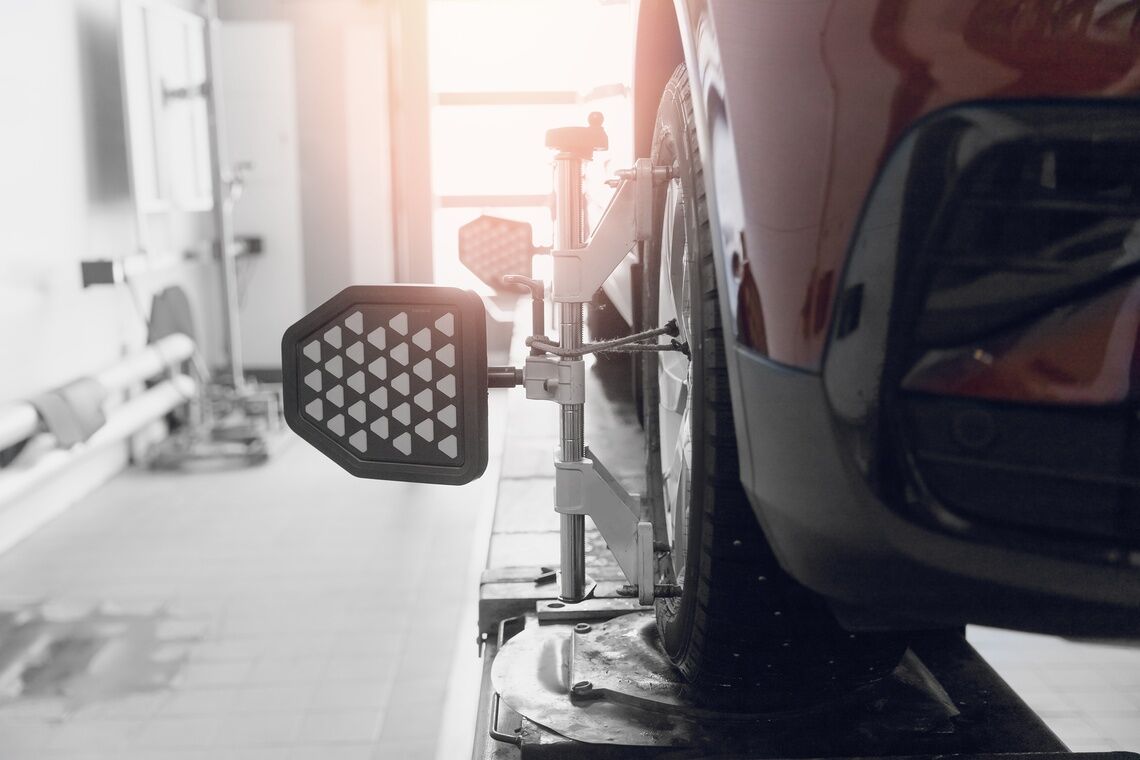
Wheel Alignment and Balancing: Why They Matter
Wheel alignment and wheel balancing are important yet often misinterpreted services that impact tire performance. While these services are frequently recommended together, each addresses distinct issues that significantly influence tire wear, vehicle handling, and operational efficiency.
Understanding how alignment, balancing, mounting, and wheel fitment work together can help you protect your tires, improve driving comfort, and avoid unnecessary wear.View more