Can I use it on a day-to-day basis?
No.
Temporary spares have lighter construction to limit their weight on your vehicle so they don’t have the same speed or mileage capabilities. This could affect your vehicle’s stability. The only exception is if your spare tire is actually a 5th full-size tire that exactly matches the tires on your vehicle.

FIND A DEALER
FAQ
Read our Frequently Asked Questions.
Not always. Many newer vehicles—particularly compact cars, EVs, and vehicles equipped with run-flat tires—ship without a traditional spare. Instead, they may include a tire inflator and sealant kit, or run-flat tires designed to keep you mobile after a puncture. Check your owner's manual to confirm what emergency equipment your vehicle came with, and make sure it's in your trunk and in working order before you need it.
A full-size spare is identical to your other four tires and can be driven on indefinitely. A mini spare (also called a "donut" or "temporary use only" spare) is narrower and smaller, designed only for short-distance, low-speed use until you can get to a tire shop. Mini spares typically have a maximum speed of 80 km/h and a distance limit of about 100–200 km. Never drive on a mini spare longer than necessary, and don't forget to replace it with a proper tire as soon as possible.
Yes—and most drivers don't. A spare tire is no use if it's flat when you need it. Check the inflation pressure of your spare monthly when you check your other tires. This is especially important for full-size spares stored under the vehicle (exposed to moisture and temperature swings) and for compact spares that may sit in the trunk for years before being used.
Related articles
-

How Tires Are Made
Your tire is built from more than 200 individual materials, including natural rubber, synthetic rubber, steel wire, and textile cords. These layers are assembled and then cured under heat and pressure in a mold, bonding everything into a single structure capable of carrying vehicle weight, managing heat at speed, and maintaining grip across thousands of kilometers. Understanding this process helps explain why correct pressure, avoiding overloading, and replacing worn tires matter as much as they do.View more -

Why do tires matter ?
Your tires are the only thing standing between your vehicle and the road. Your ability to brake, turn, accelerate, and maintain stability in rain, snow, or ice all depend directly on tire grip. This page shows you what that contact patch actually does, how tires behave differently in difficult conditions, and why choosing and maintaining the right tire is one of the most important safety decisions you make as a driver.View more -

Tire Safety: How to Maintain, Inspect, and Care for Your Tires
Your car's safety depends on your tires, which must be properly maintained in order for them to perform as intended. Treadwear, load limitations, inflation pressure, and installation are some of the variables that might affect the longevity and reliability of tires. By following specified safety rules and doing routine maintenance, drivers can reduce their risk of tire issues and be prepared for the road ahead.View more -

Understanding Tire Performance Characteristics
Performance tires grip harder and respond faster than standard tires, but they make specific trade-offs to deliver that. Their softer compounds wear faster, perform less effectively in cold temperatures, and are less forgiving on rough or potholed roads. If you drive a performance vehicle or want sharper handling, this page explains exactly what you gain and what you give up so you can choose with confidence.View more -
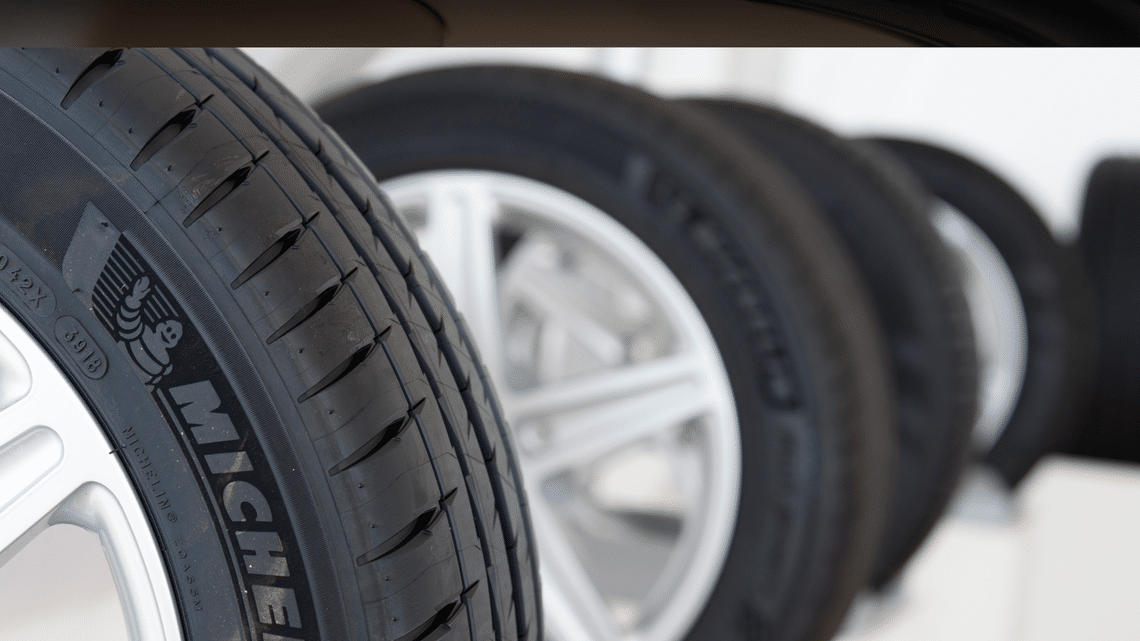
Understanding Tire Load Rating and Speed Rating
Standardized tire marks establish tire load rating and speed rating, two crucial safety indicators. When properly inflated and loaded, these ratings indicate the maximum speed and weight that a tire can support. When changing tires, it's critical to recognize and honor these indications to make sure your car keeps operating as it should.View more -
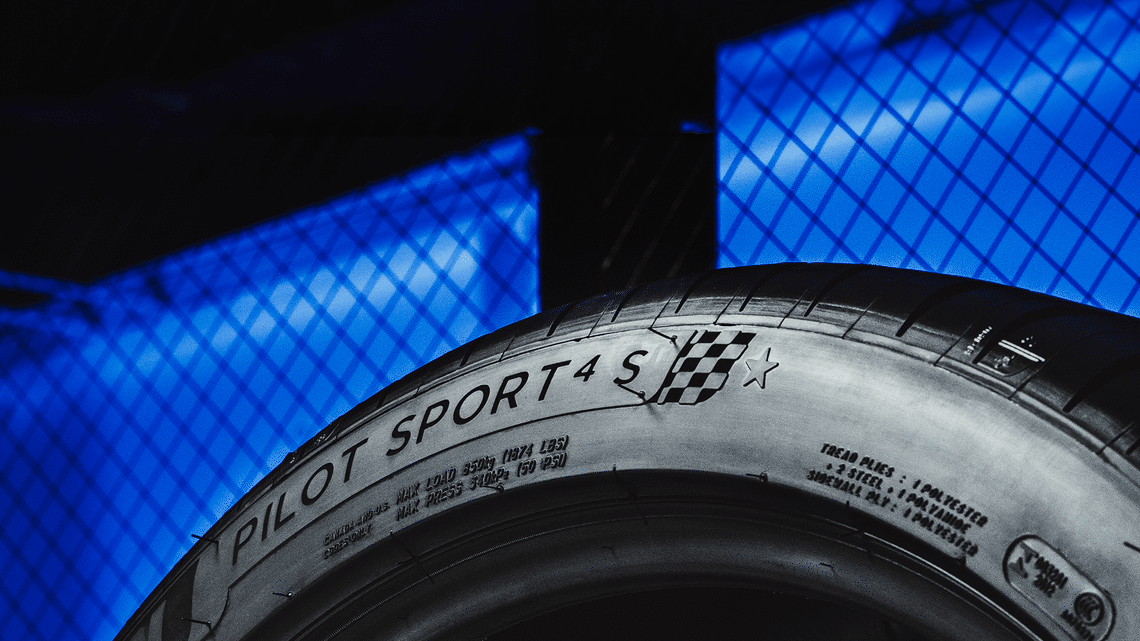
Tire Markings Explained: How to Read a Tire
If you look at the sidewall of your tire, you will notice numerous standardized numbers, letters, and symbols. These tire markings provide essential information about the tire’s size, construction, load capacity, speed capability, and intended use.
Understanding how to read tire markings helps you select appropriate replacement tires and ensures compatibility with your vehicle’s specifications and overall tire safety. These markings are defined by industry standards and are referenced by vehicle manufacturers when specifying original equipment tires.View more -
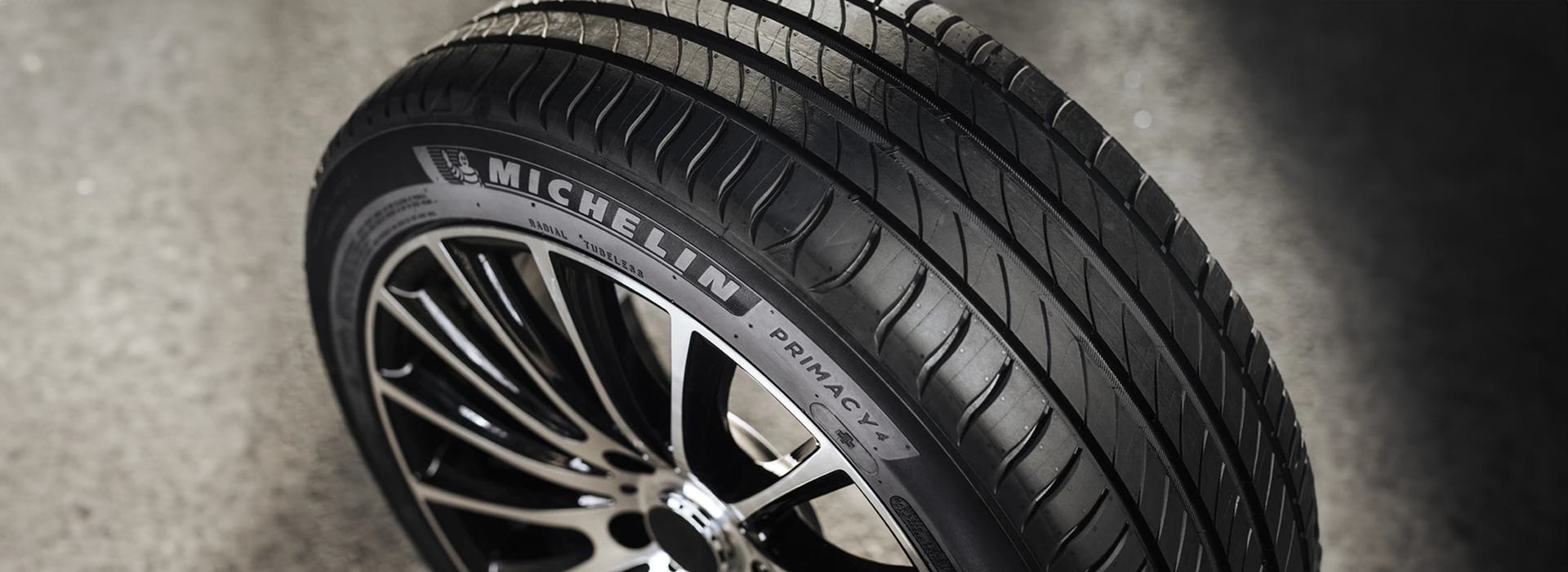
Tire Tread Depth: Legal Limits and What to Know
A tire is designed to meet performance requirements. But beyond a certain level of wear, it needs to be changed. What is the role of the tread? Up to what level of wear does the tire remain effective? And what is the legal minimum tread depth for changing your tires? Find out the answers to all your questions.View more -

Run-Flat Tires: How They Work, Benefits, and Proper Care
After a tire loses air pressure, run-flat tires are designed to help drivers keep control and continue driving for a limited distance. By reducing the need for quick roadside tire changes, this added mobility enhances convenience and safety.
Like all tires, run-flat tires require proper maintenance, inspection, and servicing to perform as intended. Understanding how run-flat tires work and how they should be cared for helps drivers make informed decisions and protect long-term tire performance.View more