Speed rating
The speed rating code indicates the maximum speed at which a tire can carry the load indicated by its load index under the conditions of use specified by the manufacturer.
Load index
This is a numerical code that indicates the maximum load that a tire can carry at the speed indicated by its speed index in the conditions of use specified by the manufacturer.
FAQ
Read our Frequently Asked Questions.
The speed rating is a letter code indicating the maximum sustained speed the tire can safely handle under load. Common ratings: H = 210 km/h, V = 240 km/h, W = 270 km/h, Z = above 240 km/h (exact limit specified by load index). The tire's speed rating must meet or exceed your motorcycle's top speed capability. Using a tire with a lower speed rating than the bike's capability is dangerous—the tire can fail structurally at speeds beyond its rating. Never go lower than specified; you can go higher.
The load index is a numerical code (e.g., 58, 66, 73) that specifies the maximum weight the tire can carry when properly inflated. For example, load index 58 = 236 kg maximum load per tire. Verify that your motorcycle's total weight (including rider, passenger, luggage, and fuel) is within the combined load capacity of the front and rear tires. Exceeding load ratings causes heat buildup, accelerated wear, and structural failure risk. Load ratings are found in load index tables, which tire manufacturers provide in their product specifications.
It may require adjusting to the loaded tire pressure specified in your owner's manual—most motorcycles specify different pressures for solo and two-up riding, typically 2–4 psi higher in the rear for a passenger. The tires' load index must accommodate the combined weight. If your tires' maximum load is already close to your solo weight, adding a passenger may exceed the rating—verify before carrying a passenger. Speed rating requirements don't change with a passenger, but the additional weight affects stopping distances and handling—ride more conservatively with two-up.
Yes—using a tire with a higher speed rating than specified is acceptable and sometimes preferable. Higher speed ratings typically indicate a stronger tire construction that can handle more heat and stress. This can translate to marginally better performance and durability. The only caution: very high-rated sport tires (ZR) use softer compounds optimized for performance at high temperatures—on a touring bike that never reaches those temperatures, a lower-rated but more durable touring compound may serve better. Speed rating provides the floor; performance characteristics determine the best match.
Too low a load index: the tire is structurally stressed beyond its design limit. It runs hotter, wears faster, and can fail catastrophically—blowout at speed on a motorcycle is extremely dangerous.
Too low a speed rating: sustained operation above the tire's speed rating causes heat buildup that can lead to delamination or blowout.
Both issues are cumulative: high speed combined with excess load doubles the risk.
Insurance and liability: operating a motorcycle with incorrect tire ratings may void your insurance coverage in the event of an accident, as it constitutes operating an unsafe vehicle.
Related articles
-

How do I read a tire size?
View more -
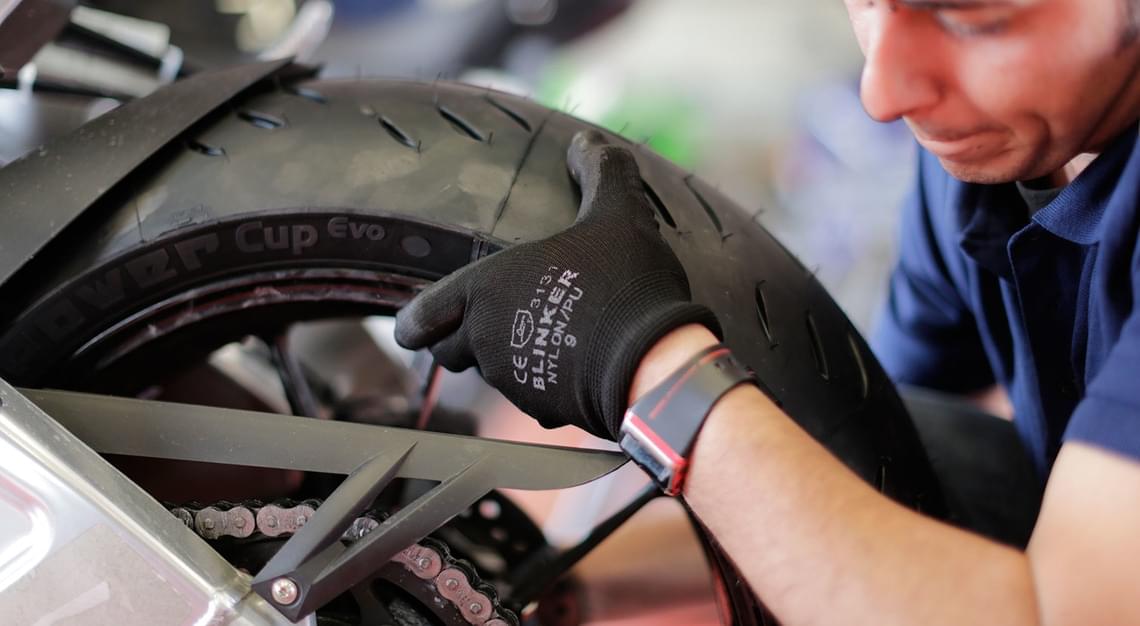
The right tires for the right usage
View more -
Radial or bias tires?
There's a lot of diversity in the world of motorcycles and scooters. Michelin uses two tire builds to make sure it has something for everyone: bias (or diagonal) tires and radial tires.View more