Choosing the right equipment
During your journey you're likely to experience a range of weather conditions. You should avoid choosing an outfit for only hot weather or only cold weather.
Choosing the useful, eliminating the useless
Extra weight is truly your motorcycle's enemy. The more it is weighed down, the less comfortable your bike will be and the less well it will handle.
Loading your bike
Whatever your final load, take care to ensure it doesn't interfere with your motorcycle's basic features, its balance, and its weight distribution.
Preparing and adjusting the bike
Fine tuning your motorcycle allows you to ride more confidently, avoid muscle pain, and increase your comfort so you don't get tired as easily.
Riding with a passenger
Adventures can be even better when shared with a partner. It's also completely possible for passengers to ride enduro-style, standing up like the driver.
Riding in a group
Riding in a group has to be one of the true joys of motorcycling. You need to have a good understanding of the basic rules to make sure everyone in the group stays safe.
Making a u-turn on a narrow track
This is definitely a dangerous situation. You don't want to fall off a cliff! Under pressure, riders might let go of the bike or accelerate suddenly.
Crossing a ford
For adventurous riders, a ford can be a very tempting prospect. You can already see yourself slicing through the water.
FAQ
Read our Frequently Asked Questions.
Pre-ride inspection: spend 2 minutes checking tire pressure, chain tension, brakes, lights, and fluid levels before every ride—it takes seconds and builds confidence.
Smooth inputs: throttle, braking, and steering—smooth, progressive inputs give tires the time to respond optimally and make rides feel effortless.
Look through corners: focus your vision on where you want to go (the exit of the corner), not at the road immediately in front of you. Your motorcycle follows your line of sight.
Match your speed to visibility: you should always be able to stop within the distance you can see.
Ride your own pace: resist social pressure to match riding group speeds beyond your comfort level.
Enormously. Fresh, properly inflated tires transform the riding experience: steering becomes lighter and more precise, grip in corners is more communicative, and road imperfections are absorbed better. Worn or improperly inflated tires make the bike feel vague, heavy to steer, and unpredictable in corners. Many riders who describe their bike as 'not handling well' find the issue resolves entirely with fresh tires and correct pressure. Tire choice also affects ride character: sport tires provide crisp, direct feedback; touring tires provide stability and long-distance comfort; and the right choice for your bike makes riding more enjoyable on every level.
Yes, especially after cold nights or on cold days. Cold tires have reduced grip—the rubber compound hasn't reached operating temperature and the contact patch isn't fully conforming to the road surface. For the first 5–10 kilometres of a ride in cold weather, ride gently: avoid full lean angles and hard braking. This is particularly important with sport tires, which have more temperature-sensitive compounds. New tires also require a 100–200 km break-in period before full grip is available—the mold release agents from manufacturing reduce traction until worn off.
For skill development: empty parking lots for low-speed maneuvering practice (U-turns, slow-speed balance, threshold braking). Quiet roads during daylight in good weather for progressive lean practice and cornering technique. Avoid practicing new techniques in traffic, at night, in wet conditions, or on unfamiliar roads. Consider formal training: the Motorcycle Safety Foundation (MSF) and similar Canadian programs offer structured skill development. Track days (in proper gear with appropriate bikes) are the safest environment for developing higher-speed techniques under controlled conditions.
Additional weight—from a passenger, luggage, or heavier rider—changes the tire's load distribution and pressure requirements. Most motorcycles specify different tire pressures for solo and passenger riding, listed in the owner's manual. Running at solo pressure with a passenger effectively underinflates the tire for that load, causing handling changes and heat buildup. Always check and set pressure for the actual load you're carrying before departure. Also: verify your tires' load index supports your combined weight—overloading beyond the load rating is a safety risk.
Related articles
-
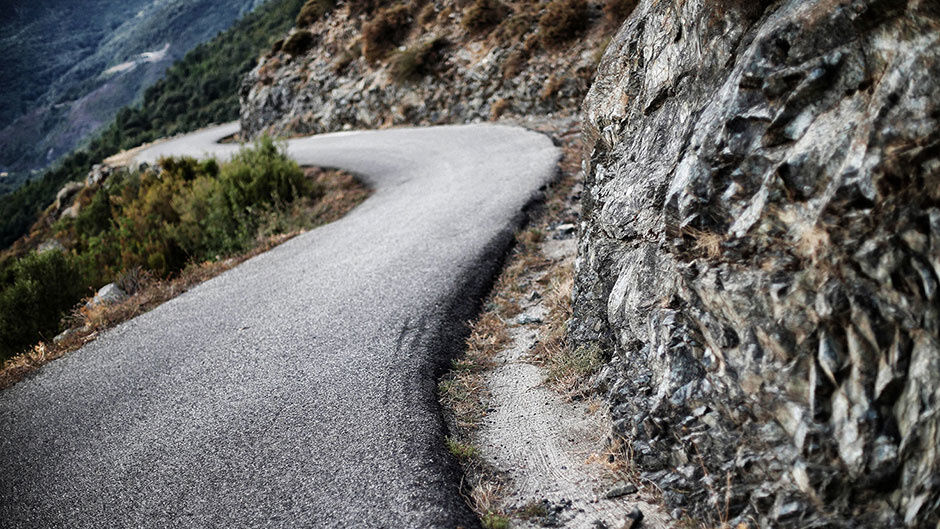
Safe riding with our motorcycle tires
Improving road safety for all riders is our commitment. We are here to help you ride safely!View more -
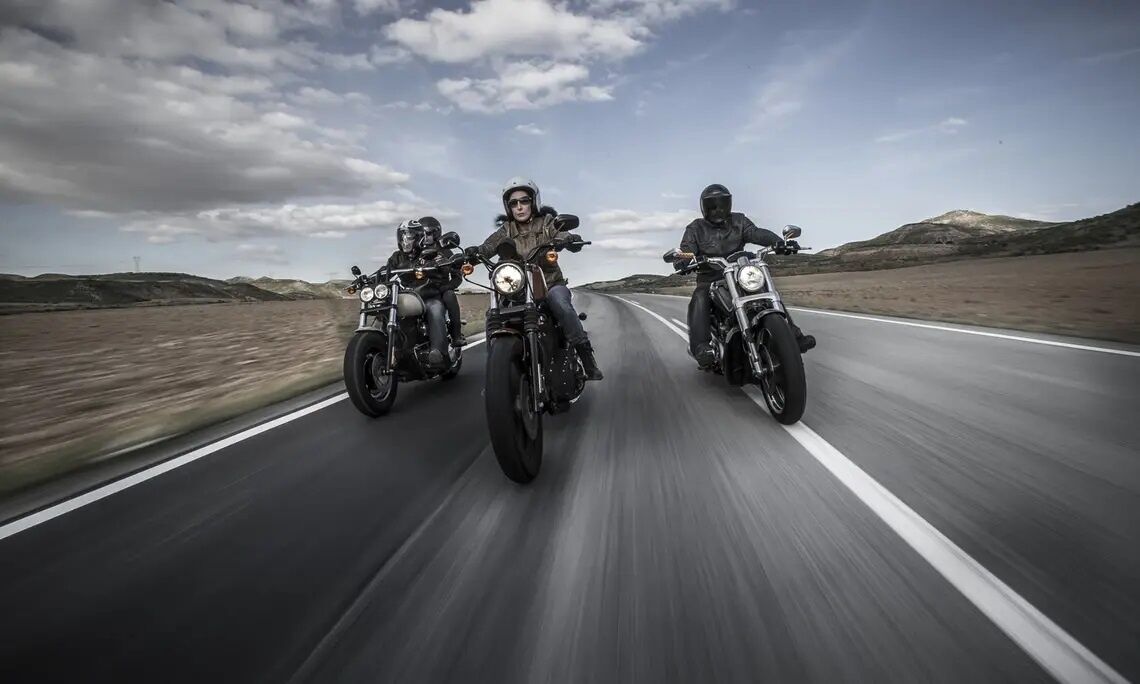
Recognize tire handling difficulties
It isn't always easy to get to the bottom of the reasons for different performance issues. Performance issues may be caused by the tires (e.g. type of tire, incorrect pressure) and/or a change to the vehicle (e.g. accessories, load). Tires aren't always the only factor to consider.View more