- Tubeless: No tube is used, when mounted on a tubeless rim; abbreviated "TL"
- Rear: Direction of rotation for rear tire, indicated by an arrow on the tire sidewall
- Michelin: Tire manufacturer
- 73 Load index: For example, 73 corresponds to a load of 805 pounds (365kg) per tire
- Radial
- Pilot Power 3: The tire's model name
- 190: Nominal section width of the tire, expressed in millimetres
- 55: Aspect ratio, the sidewall height as a proportion of the tire width
- R: Radial construction
- 17: Bead-seat diameter of the wheel, expressed in inches (1 inch = 2.54 cm)
FAQ
Read our Frequently Asked Questions.
First number (e.g., 120): section width in millimetres
Second number (e.g., 70): aspect ratio—sidewall height as a percentage of the section width
Construction letter (R = radial, B = bias-belted, no letter = diagonal/bias)
Rim diameter (e.g., 17): wheel rim size in inches
Load index: a number (e.g., 58) corresponding to the maximum load capacity in kg
Speed rating: a letter (e.g., W) indicating maximum speed capability
TL/TT: Tubeless (TL) or Tube Type (TT)—critical for correct inner tube use
Owner's manual: the most authoritative source, specifying front and rear sizes and any approved alternates.
On the existing tires: the sidewall code shows the current installed size.
On the swingarm or frame: many motorcycles have the required tire size printed on a sticker.
Chain guard or handlebars: some bikes have specification stickers here.
Dealer lookup: a Michelin motorcycle tire retailer can look up the correct specification by make/model/year.
Tubeless (TL) tires seal directly to the rim without an inner tube—air is held by the tire liner and rim bead seal. Most modern motorcycles with cast wheels use tubeless tires. Tube Type (TT) tires require an inner tube inside; the tire itself doesn't hold air independently. Spoked wheels typically require tube-type tires (the spoke holes in the rim make tubeless sealing impossible without modifications). Using a tube-type tire without a tube, or a tubeless tire with a tube (which generates heat and can fail), is dangerous. The marking on the tire sidewall (TL or TT) is definitive—always match this to your wheel type.
The DOT code ends with a 4-digit manufacture date code: the first two digits are the week of manufacture, and the last two are the year. For example, '2423' means the tire was manufactured in the 24th week of 2023. This is important for age-based replacement decisions—motorcycle tires older than 5–7 years should be inspected annually and replaced at 10 years regardless of tread depth, as the rubber compound ages even in storage. When buying tires, check the DOT code to ensure you're not buying old stock.
The inner tube must match the tire's size exactly—if the tube is too large it will bunch and overheat; too small and it stretches and may fail. The tube material and valve type must also be compatible with the tire and rim. Michelin recommends using the tube specified for the tire and confirms compatibility with specific inner tube dimensions in their product documentation. Never use a tube intended for a different application. And always replace the tube when replacing the tire—an old tube in a new tire can cause premature failures.
Related articles
-
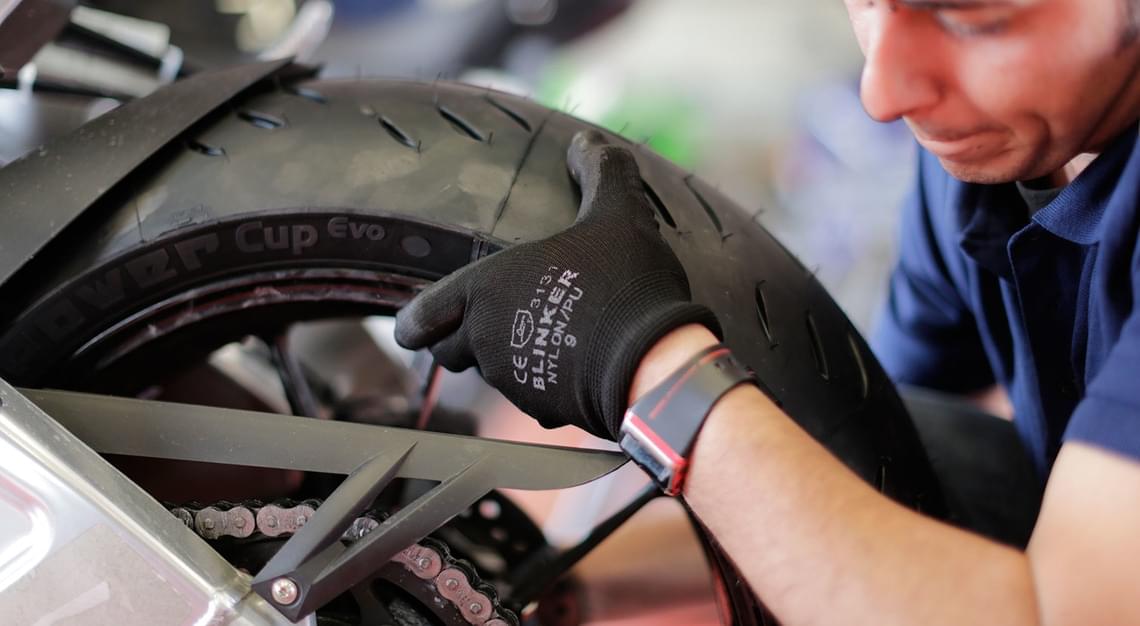
Tire speed index and load index
View more -
The right tires for the right usage
View more -
Radial or bias tires?
There's a lot of diversity in the world of motorcycles and scooters. Michelin uses two tire builds to make sure it has something for everyone: bias (or diagonal) tires and radial tires.View more