A tire's final mileage may depend on various factors:
Some of these are within the motorcyclist’s control: tire pressure, load, vehicle speed, riding style (braking and accelerating).
Others are not and would mean changing the kind of riding you're doing:
Road use: road curviness, surface type
Off-road use: Kind of terrain (sand, gravel, mud, etc.), ambient temperature
A single factor on its own may have only a small impact on a tire's mileage; however, if many factors come together there will be much more wear and tear.
Most of a tire's grip on the road comes from the treads. As they wear down, they lose their ability to drain away water. It is therefore important to ride more slowly on wet surfaces.
Remember to check your tires regularly for wear.
How to check tire wear?
You should always check for wear at several points on the tire.
Checks can be carried out with a depth gauge or using the tread wear indicators moulded into the tread (with a symbol visible from the side where present). If the legal or technical limit has been reached, the tire should be disposed of and replaced.
When and how to check your tires?
Tires should be checked regularly to pick up any unusual wear and potential damage.
Follow the steps below in order:
Tread: Look for any foreign objects, cuts, localized damage or unusual wear
Sides: Look for impact damage (pavement, potholes, etc.), cuts, cracks or unusual deformities
Area around the rim/bead chafer: Look for marks made by scrapes or damage to the rim.
All fissures, cuts and visible deformations in the tire tread, the sides, or the area where the tire meets the wheel should be examined in detail (internally/externally) by a tire professional. The same applies to any deterioration of the rim.
Under no circumstances should you re-mount tires that show damage such as a deformed or visible bead, rubber or layers becoming unstuck, damage by oily or corrosive substances, marbling or abrasions to the inner rubber as a result of riding with insufficient tire pressure.
During each vehicle inspection, check that the valve dust caps are in a satisfactory state. If in doubt, replace them.
FAQ
Read our Frequently Asked Questions.
Normal wear: the rear tire develops a flat center band ('squaring off') from straight-line acceleration forces—this is typical and expected on most road motorcycles. The front tire wears more at the sides from braking and cornering forces. Both patterns indicate even use across normal riding. Abnormal wear: localized wear in one spot (flat spotting from hard braking); one-sided wear (misalignment); cupping or scalloping (suspension or balance issues); center-only wear (overinflation); shoulder-only wear (underinflation); visible cord exposure in any location—immediate replacement required.
Tread: check for foreign objects, cuts, localized damage, or unusual wear patterns at multiple points around the circumference and across the width.
Sidewalls: look for impact damage (pothole strikes), cuts, cracks, or any unusual deformity.
Rim/bead area: check for marks from scrapes or rim damage that could compromise the seal.
Tread wear indicators: the Michelin Man symbol on the sidewall marks the TWI location—check whether the tread surface is at or near the level of the indicators.
Tread depth gauge: use at the center and shoulders for a complete wear assessment.
Marbling refers to small rubber balls that accumulate on the shoulders of a motorcycle tire—bits of rubber deposited by other vehicles or from the tire's own edges during track or aggressive cornering use. It's a sign of significant lean angles being used and is normal on sport tires pushed to their limits. 'Chicken strips' is slang for the unused, shiny outer edge of a tire that hasn't been used at lean—indicating the rider hasn't leaned the bike to its full potential (which is not necessarily bad—most street riders never approach maximum lean angle, and that's fine).
Do not remove it—the nail is acting as a temporary plug. Note the location, check pressure, and ride directly to a tire shop at reduced speed. Motorcycle tire repairs are more restrictive than car tire repairs: most manufacturers do not recommend plug-only repairs for motorcycle tires, and repair is only possible in the tread area (not sidewall). The additional concern on motorcycles is that a repaired tire may change the handling characteristics subtly—many riders and manufacturers prefer outright replacement for safety. Have a professional assess whether repair is appropriate for your tire and riding conditions.
Yes, if they pass inspection. After winter storage: inspect for flat spots (typically self-correct after 10–15 minutes of gentle riding as rubber warms), sidewall cracking, tread depth (if at or near the wear limit before storage, replace now), and pressure (will have dropped during cold storage—inflate to spec). Check the DOT date: if the tires are more than 5 years old, have them professionally assessed. If 7+ years old, replace regardless of visual condition. A careful 'shakedown' ride—gentle, on quiet roads—is advisable before returning to normal traffic conditions.
Related articles
-
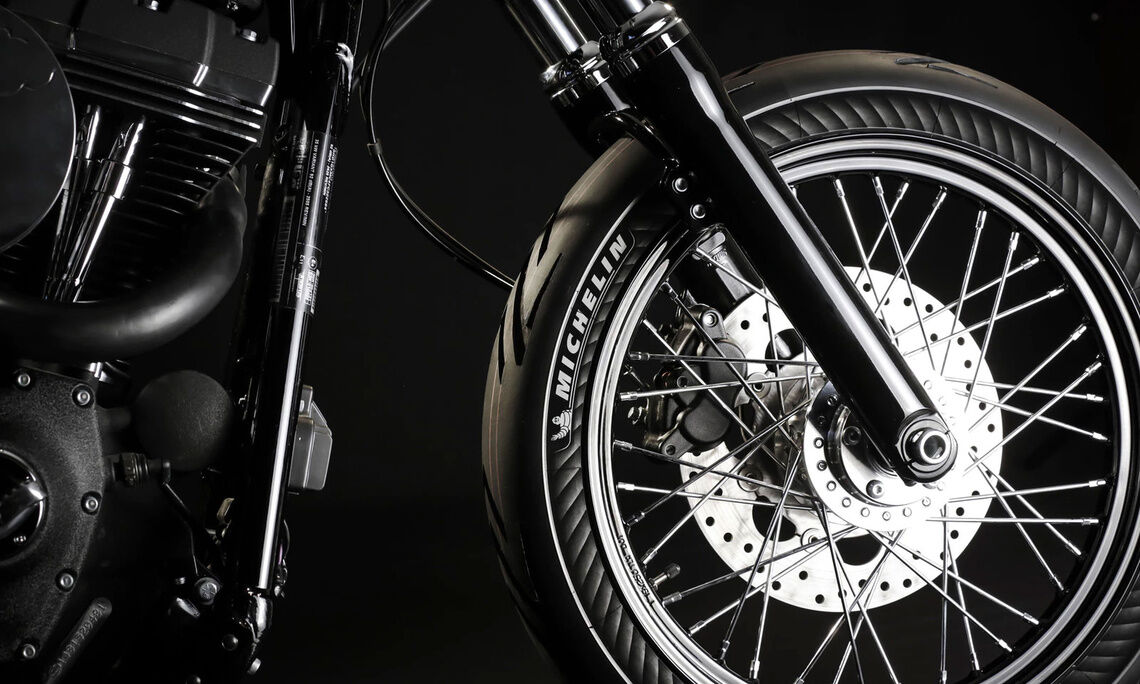
Keep your tires safe
View more -
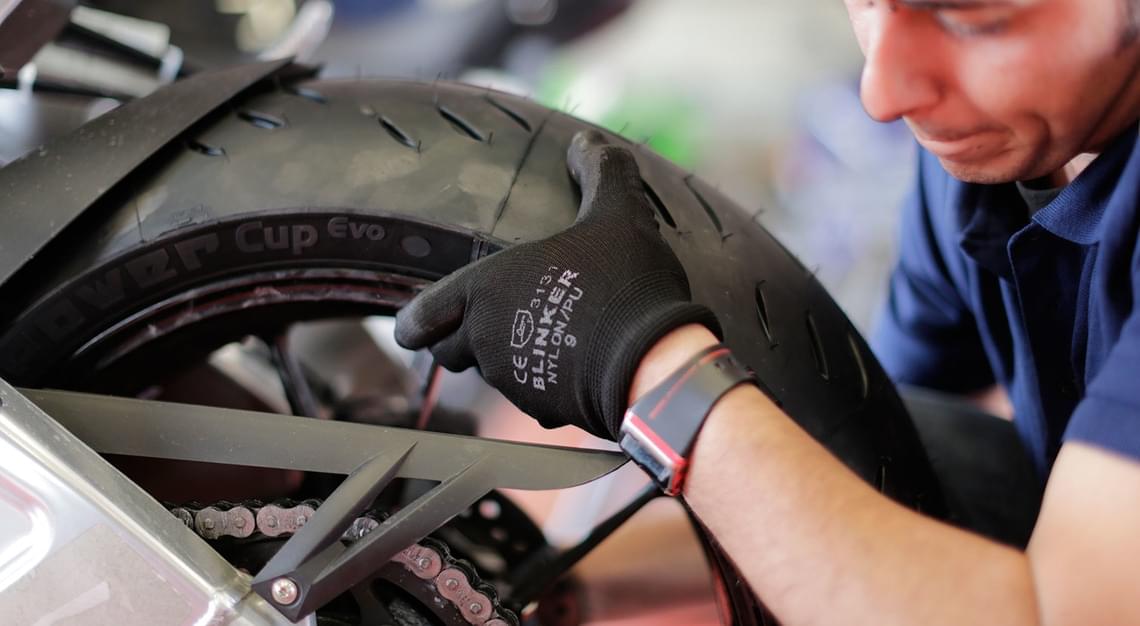
When should I change my motorcycle tires?
View more -
Why are motorcycle tires important?
Tires are an important part of what defines the shape and balance of a motorcycle or scooter.View more -
Tire pressure for your motorcycle
Make sure you check your tire pressure at least once a month and before any long journeys.View more -

Off-Road
View more -
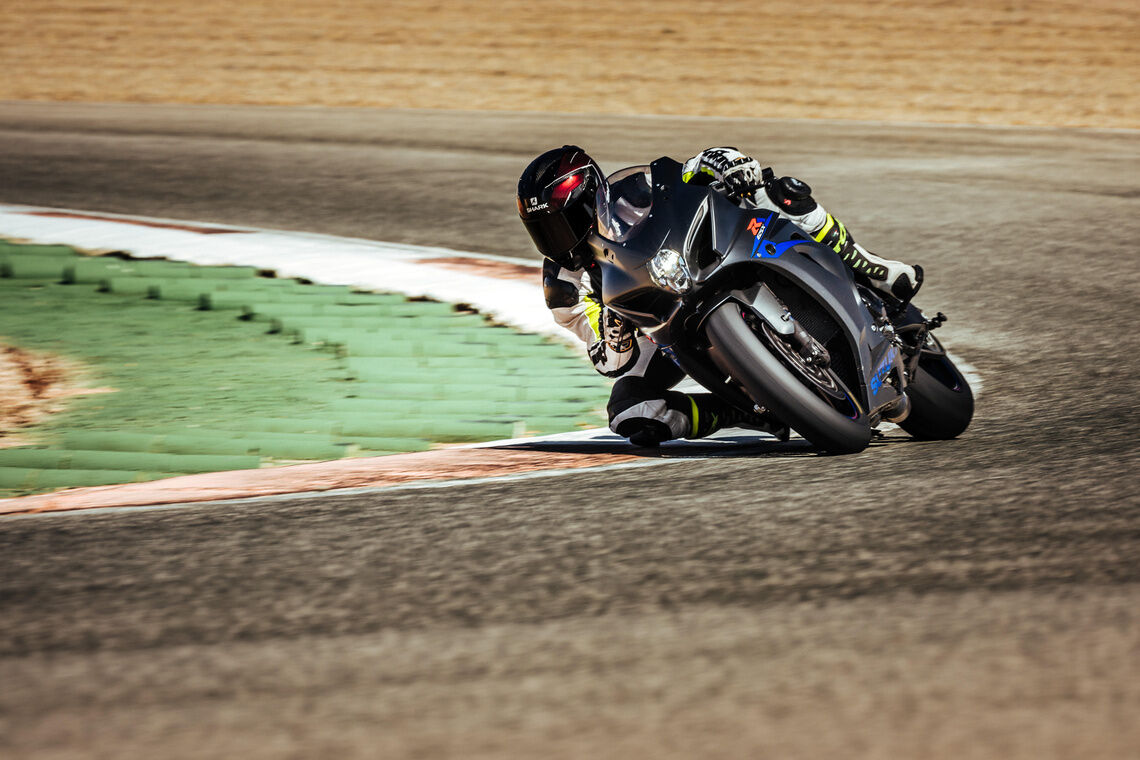
Track tires recommended pressure
SET THE RIGHT PRESSURE FOR YOUR MOTORCYCLEView more