Did you know?
Tires play an essential role because they are the only link between the vehicle and the road.
Your tire contact patch is not much bigger than a credit card.
And they have a big job to do!
Transferring the power of the engine to the road
Absorbing the impact of irregular road surfaces
Carrying the load of the whole vehicle
Providing excellent grip on dry and wet surfaces
Meeting the demands of braking and acceleration
Steering by responding to the movements of the steering system
Lasting and ensuring good mileage
Your safety relies on more than just your vehicle and the drivers around you.
It also relies on your choice of tires. For your peace of mind and that of your loved ones, take the time to choose quality tires.
Taking the time to choose the right tires is just as important as choosing your motorcycle or scooter.
How to choose?
It is important to know what you will be using your tires for:
FAQ
Read our Frequently Asked Questions.
On a car, four tires distribute the vehicle's safety functions across a much larger combined contact area. On a motorcycle, two tires—with a combined contact area roughly the size of four credit cards—must provide all traction for acceleration, braking, cornering, and stability simultaneously, for a vehicle that requires active balancing in all conditions. The margin for error in a two-wheeled dynamic system is far smaller than in a four-wheeled vehicle. A car can often survive a single tire failure while maintaining some control; a motorcycle tire failure at speed is a catastrophic event. This is why tire condition, pressure, type, and age are safety-critical in a way that has no car equivalent.
Carrying: supporting the weight of the motorcycle and rider. An underloaded or underrated tire fails structurally.
Transmitting power: transferring engine torque to the road for acceleration. A worn or improper tire loses this efficiency.
Braking: translating braking force into deceleration. Traction under braking is entirely tire-dependent.
Guiding: responding to steering inputs to determine direction. Tire profile and pressure determine steering response.
Absorbing: cushioning road imperfections to maintain the contact patch and rider control.
Cornering: enabling lean angles by providing the lateral grip that keeps the bike from sliding out.
Every defensive riding technique—emergency braking, evasive swerving, maintaining stable cornering lines—depends on tires providing adequate grip. A tire with worn tread has longer emergency braking distances. An underinflated tire responds more slowly to steering inputs, reducing the rider's ability to make quick direction changes. An overaged tire that has lost compound flexibility grips less in cold conditions. The rider's skills and awareness create the intent to avoid an accident; the tires determine whether the physics allow it. Excellent riding skills paired with compromised tires is a losing combination in emergency situations.
Premium motorcycle tires typically cost more per unit but deliver better value when considered through the lens of total cost of ownership and safety. Consider: quality sport-touring tires that last 20,000 km cost less per kilometre than budget tires lasting 8,000 km, often with better wet-weather performance throughout their life. The cost of a single motorcycle accident—medically, economically, and personally—vastly exceeds the price difference between premium and budget tires over a lifetime of riding. Tire investment is also investment in the most fundamental safety system on the vehicle.
Frame it in physics: unlike a car, a motorcycle has no safety redundancy in tires—there's no other wheel pair to compensate for a compromised tire.
Contact patch visualization: the total contact area with the road is the size of 4 credit cards. Everything happens through that tiny area.
Statistical reality: tire-related failures and issues are a significant factor in motorcycle accidents—it's not just a maintenance detail.
Pre-ride habit: make tire pressure and visual inspection as automatic as putting on a helmet—both are non-negotiable before every ride.
Professional guidance: encourage new riders to build a relationship with a motorcycle tire specialist who can provide ongoing education and condition assessments.
Related articles
-

Tire wear and tear
Why do some tires wear out faster than others?View more -
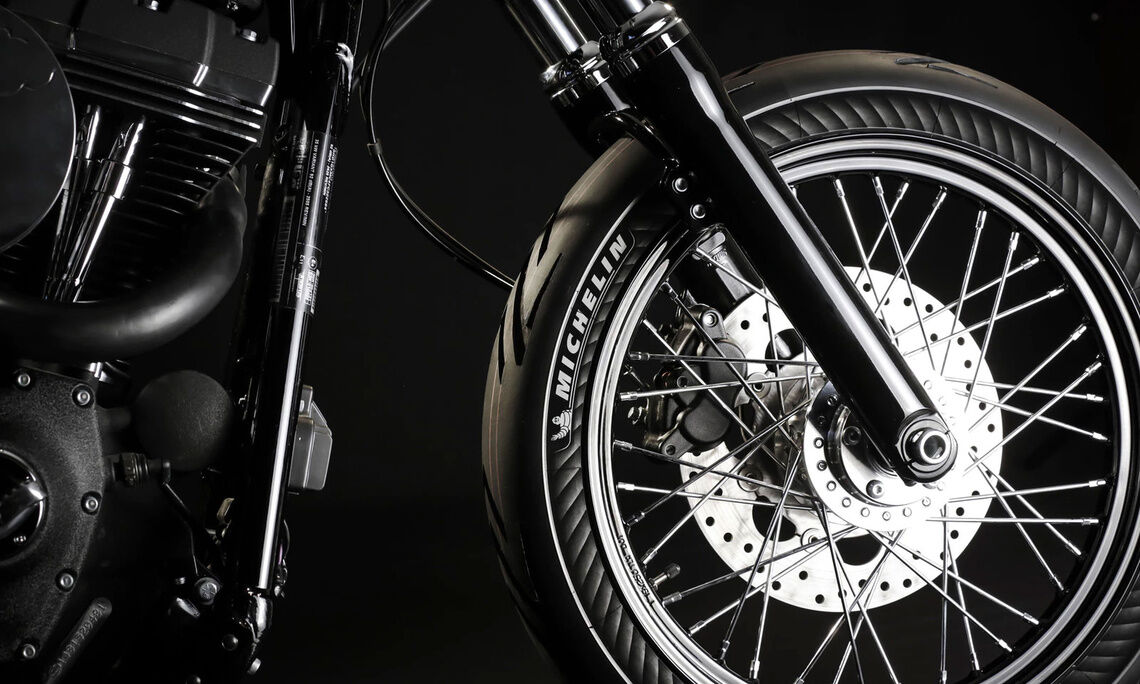
Keep your tires safe
View more -
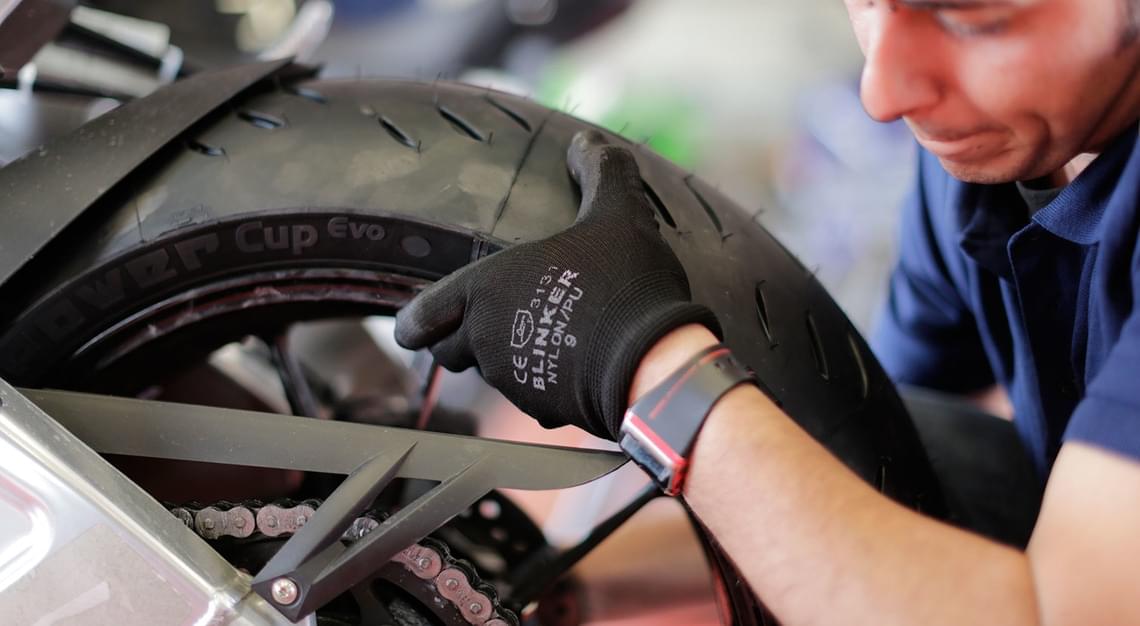
When should I change my motorcycle tires?
View more -
Tire pressure for your motorcycle
Make sure you check your tire pressure at least once a month and before any long journeys.View more -

Off-Road
View more -
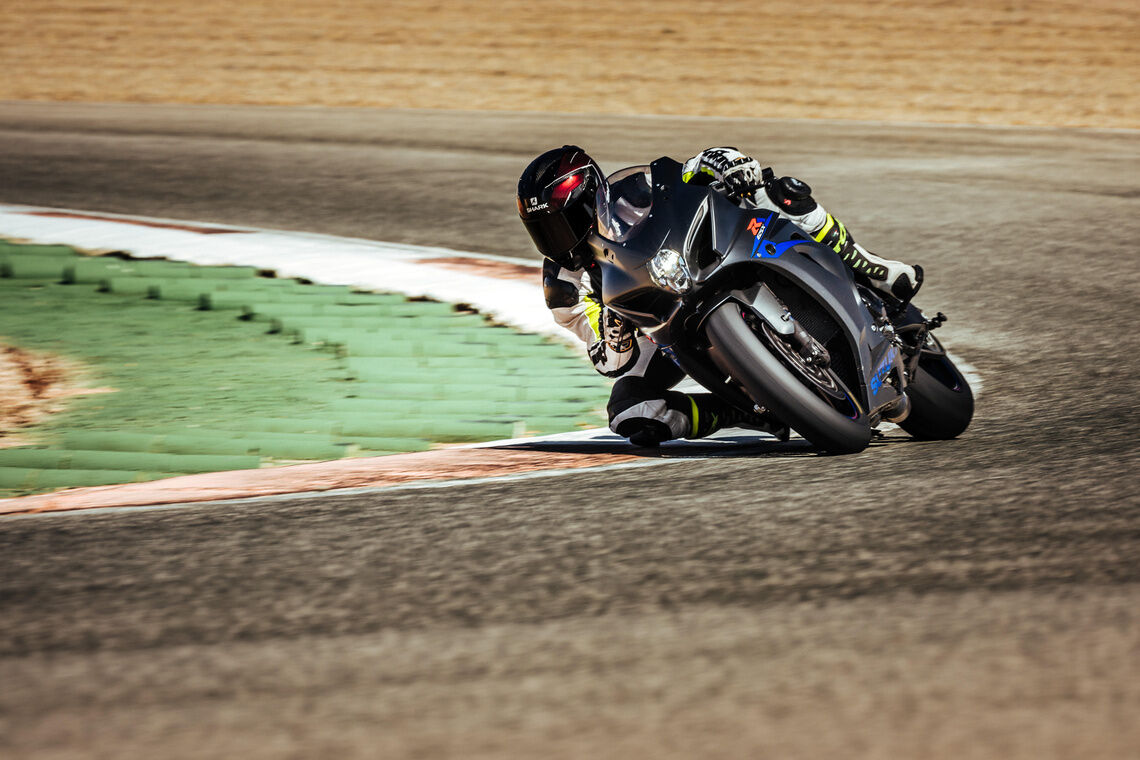
Track tires recommended pressure
SET THE RIGHT PRESSURE FOR YOUR MOTORCYCLEView more