What Is Wheel Alignment?
Wheel alignment is the adjustment of the angles of your wheels to meet the manufacturer's guidelines. These angles govern how your tires interact with the road and how the vehicle reacts to straight driving, cornering, and braking.
When tires are properly aligned, they sit level against the road surface and distribute forces uniformly throughout the tread. When alignment is incorrect, even slightly, certain areas of the tire have to work harder than others, accelerating tire wear.
Signs of misalignment include the vehicle pulling left or right on a straight road, the steering wheel not being centered when driving straight, as well as uneven or rapid tread wear on the tire's inside or outside edges.
Misalignment can significantly reduce tire life and jeopardize vehicle stability if not addressed.
What Is Wheel Balancing?
Wheel balancing ensures that the tire and wheel assembly spins evenly at speed. Tires and wheels are not perfectly uniform by nature. Even minor variations in weight distribution can cause imbalance once the wheel starts rotating.
An unbalanced wheel doesn’t just create vibration; it causes the tire to bounce or wobble slightly, increasing stress on the tread, suspension, and steering components. For instance, signs of unbalanced wheels often include:
Vibration of the steering wheel at high speed
Vibration felt through the seat or floor
Irregular or “cupped” tread wear patterns
Balancing restores steady rotation, allowing the tire to maintain constant contact with the road.
Alignment vs. Balancing: Why You Need Both
Although alignment and balancing are different services, they are closely related.
Alignment controls where the tire points and how it contacts the road.
Balancing controls how the tire rotates once it’s moving.
A vehicle can be perfectly aligned but still vibrate due to imbalance. Likewise, a balanced wheel can still wear unevenly if alignment angles are incorrect. For optimal tire performance, both must work together.
How Improper Tire Mounting Affects Alignment and Tire Wear
Despite its critical role in ensuring appropriate alignment and consistent performance, tire mounting is often neglected.
When a tire is not mounted correctly on the rim or if the wheel assembly is not centered accurately on the hub, it can lead to slight variations in how the wheel tracks. These minor deviations might not result in an immediate alignment issue, but over time, they can distort suspension geometry and impact tire contact with the road. Uneven tire loading, lateral forces that mimic misalignment, and drift or instability at higher speeds can be a result of incorrect mounting.
Even minor mounting errors can exacerbate wear over thousands of kilometers, particularly when paired with aggressive driving or rough road conditions. Correct mounting is essential for maintaining the integrity of the vehicle’s alignment settings and ensuring that the tire wears as intended.
Why Proper Balancing Is Essential for Even Tire Wear
Wheel balancing is an important preventative measure against uneven wear and long-term vibration problems. When a tire is not properly balanced, centrifugal forces cause the wheel to oscillate while turning. This recurring movement creates localized stress zones on the tread surface.
Over time, imbalance can produce flat spots or cupping in the tread, accelerate wear on specific blocks, and put additional strain on suspension and steering components.
Proper balancing allows the tire to rotate smoothly and consistently, reducing internal stress and promoting uniform tread depth. It also improves alignment by minimizing vibration, which can gradually loosen suspension components and shift alignment angles.
When Should Alignment and Balancing Be Checked?
Even minor variations in road conditions or driving style can have a long-term impact on wheel alignment and balancing. Regular inspections can help detect problems early, reducing uneven tire wear and handling issues.
Check your alignment and balancing when:
Putting on new tires
Hitting potholes, curbs, or road debris
Experiencing vibrations, pulling, or steering instability
Performing regular tire maintenance or changing tires for the season.
Taking care of these issues early on improves handling and increases tire life.
Wheel Fitment: Why Size and Strength Matter
An important yet frequently disregarded factor in tire performance is wheel fitment as the wheel is the foundation of the tire, supporting its structure, controlling loads, and ensuring proper contact with the road.
Wheel diameter, width, and strength all influence how a tire wears, how it responds to steering inputs, and how efficiently the vehicle operates.
How Wheel Diameter Affects Tire Performance and Fuel Efficiency
The diameter of the wheel directly affects the height of the tire sidewalls, which impacts ride comfort, handling, and efficiency.
Lower-profile tires are commonly used on larger wheel sizes, which helps increase steering responsiveness and cornering precision.
Smaller wheel diameters enable taller sidewalls, leading to better impact absorption and ride comfort.
Changes in wheel diameter can affect:
Accurate speedometer readings
Proper vehicle gearing and acceleration
Fuel efficiency
Keeping the overall diameter close to the original specifications promotes balanced performance and predictable behavior.
Rim Width and Tire Contact With the Road
The width of the rim plays a crucial role in how a tire sits and flexes when it's loaded. If the rim is either too narrow or too wide for the tire, it can distort the tire's shape, which diminishes the effectiveness of the contact patch.
Having the wrong rim width can cause:
More wear on the shoulder or center tread
Inconsistent traction
Unstable handling when cornering
Choosing the right rim width helps the tire keep its intended shape, leading to even wear and consistent contact with the road.
Rim Strength, Load Capacity, and Inflation Pressure
The strength of a wheel is crucial for both safety and longevity. Each wheel is designed to handle specific load and pressure thresholds. Surpassing these thresholds can jeopardize structural integrity over time.
Rim strength influences:
The capacity of the wheel to support the vehicle's load
The ability to maintain proper tire inflation
The resistance to deformation caused by impacts or rough terrain
Choosing wheels that align with the vehicle’s load specifications guarantees that the tire and wheel operate as a dependable unit.
Custom Wheels: What to Consider Beyond Appearance
While custom wheels can improve a vehicle’s aesthetics and handling, improper fitment can adversely impact alignment, tire wear, and ride comfort.
Key factors to consider include:
Ensuring the wheel diameter and width correspond with the chosen tire size
Confirming the correct offset and centering
Checking load and pressure ratings
Inadequately chosen wheels can disrupt suspension geometry, elevate stress on components, and reduce tire lifespan, even if the tires are correctly aligned and balanced.
Best Practices for Proper Wheel Fitment
To ensure long-lasting tire performance:
Align wheel dimensions with the recommended tire specifications
Verify wheel load and pressure limits
Ensure accurate mounting and centering
Reassess alignment after any wheel or tire modifications
Adhering to these guidelines promotes even wear, stable handling, and overall driving assurance.
How Alignment, Balancing, Mounting, and Fitment Work Together
Wheel alignment, balancing, mounting, and fitment are not independent services; they function as a system.
Proper mounting supports accurate alignment
Correct balancing minimizes vibration and suspension stress
Well-matched wheels preserve tire shape and load distribution
When all elements are optimized, tires wear evenly, ride comfort improves, and vehicle efficiency is maintained over time.

FAQ
Wheel Alignment and Tire Balancing Explained
Wheel alignment should be inspected when new tires are installed, after hitting potholes or curbs, or if you observe pulling, uneven tire wear, or changes in steering. Regular checks can help identify problems early.
Absolutely. Wheels that are not balanced correctly can lead to vibrations and uneven tread wear over time. Proper balancing ensures that tires rotate smoothly and wear evenly.
Yes. Even new tires can experience premature wear if the alignment angles are not correct. Misalignment can quickly lead to uneven wear patterns that reduce tire lifespan.
Custom wheels can alter how a tire aligns with the suspension. It is advisable to have an alignment check after installing new wheels to ensure proper geometry and handling.
Yes, wheel size can impact rolling resistance and vehicle gearing. Keeping the overall diameter close to the original specifications helps maintain fuel efficiency and ensures speedometer accuracy.

Find a professional near you for your wheel balancing or your wheel alignment
FAQ
Read our Frequently Asked Questions.
These are distinct services that address different problems:
Wheel alignment adjusts the angles at which your tires contact the road (camber, toe, and caster) so all four wheels are geometrically optimized for straight, even driving. Misalignment causes uneven tread wear and pulling to one side.
Wheel balancing corrects uneven weight distribution around the wheel-tire assembly. An out-of-balance tire causes vibration—typically felt through the steering wheel or seat at highway speeds.
You can have a balanced tire that's misaligned, or an aligned vehicle with unbalanced tires. Both services are recommended when mounting new tires, and alignment should also be checked after hitting a significant pothole or curb.
Alignment symptoms: Vehicle pulls to one side, uneven or rapid tread wear on one edge, steering wheel is off-centre when driving straight
Balancing symptoms: Vibration in the steering wheel or floor at highway speeds (typically 90–120 km/h), scalloped or cupped wear pattern on tires
If you notice either symptom, address it promptly—the longer you wait, the more tire wear accumulates.
Most manufacturers recommend checking alignment once a year, and after any significant impact—hitting a large pothole, a curb strike, or a minor collision. Canadian roads are notoriously hard on alignment due to freeze-thaw cycles creating potholes and heaved pavement. If you live in a region with rough winters, checking alignment each spring after the worst of the pothole season is a good practice. It also makes sense to check alignment when mounting new tires, to protect your investment from day one.
Related articles
-
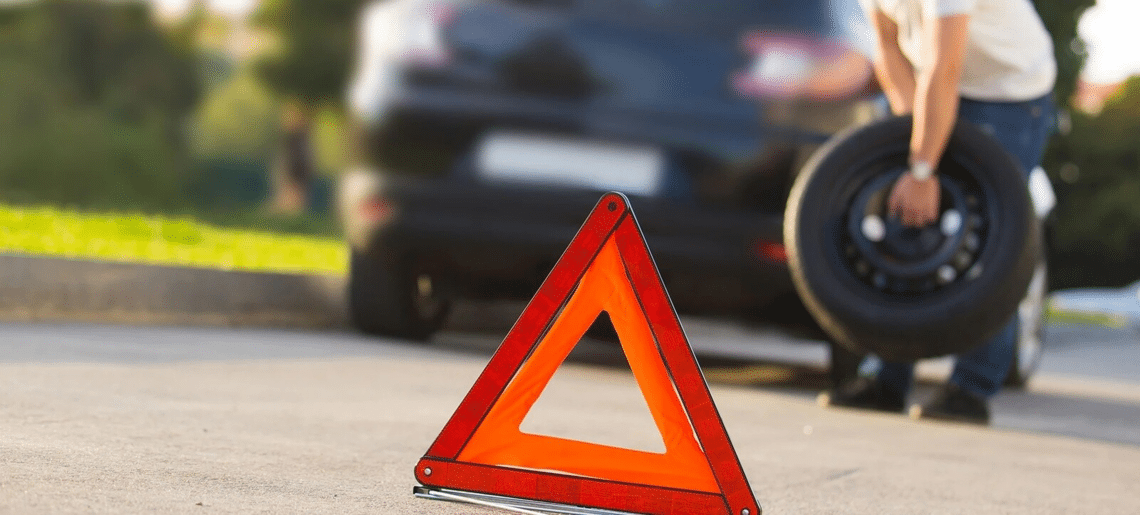
How do I change a tire?
Changing a flat tire on the roadside takes about 20 minutes when you have practiced beforehand. Before you need to do it at night on a busy road, confirm your spare is in the trunk and inflated, find your jack, and know how to use both. This step-by-step guide covers vehicle positioning, safe jacking, lug nut sequence, and what to check before driving away on the spare.View more -

Tire pressure
Correct tire pressure is the single maintenance check that affects the most things simultaneously: safety, tread life, fuel consumption, and handling. Check when tires are cold, before driving or at least three hours after. Use the pressure from your vehicle's door placard or owner's manual, not the maximum on the tire sidewall. Never deflate a hot tire: the higher reading is normal and will correct when the tire cools. Gas station pressure gauges are often unreliable; invest in your own calibrated gauge.View more -

Can my Tire be repaired
Minor tread damage in the central portion of the tread, away from the shoulders and sidewall, is often repairable by a trained professional. Sidewall punctures or tears, damage near the shoulder, and damage to a tire that has been driven flat cannot be repaired. Do not attempt to repair a tire yourself. A proper repair requires removing the tire from the wheel for full internal inspection before deciding whether a repair is safe. This page explains the conditions under which repair is appropriate and when replacement is the only responsible choice.View more -

Storing my tires
Before storing seasonal tires, note their position on the vehicle so you can rotate correctly next season. Clean with water and dry thoroughly to prevent corrosion. Store indoors in a cool, dark location away from sunlight, heat sources, and ozone generators such as electric motors. If tires are mounted on rims, stack them horizontally. If unmounted, store them upright side by side. If a vehicle will be parked for an extended period, jack it up or remove the tires to prevent the weight of the vehicle from damaging the tires permanently.View more -
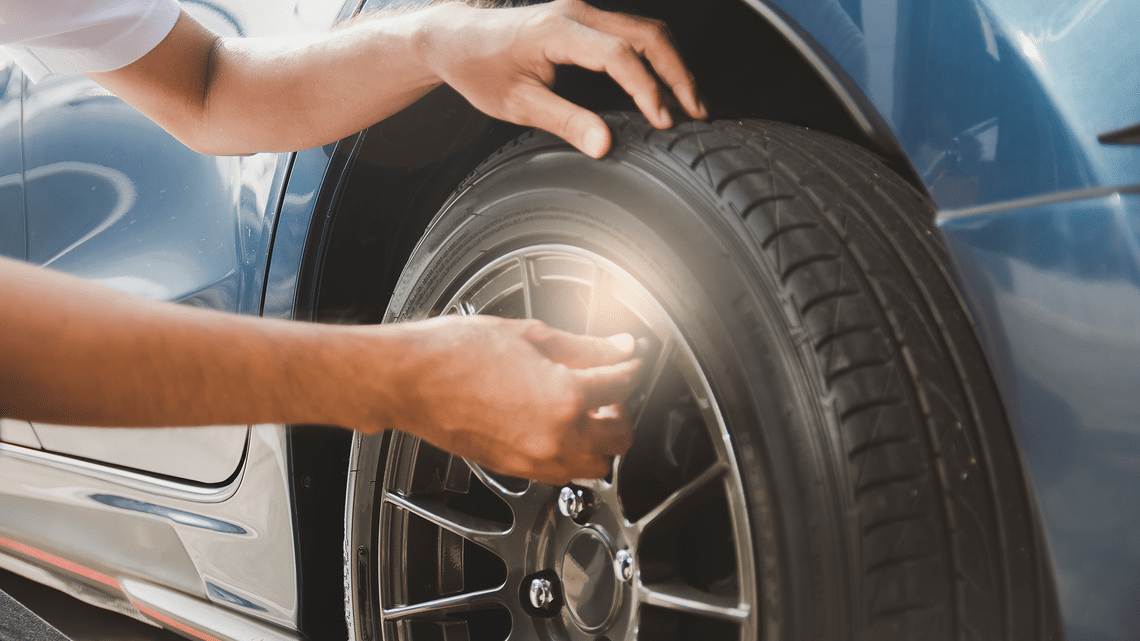
Routine tire care tips
Check your tire pressure at least once a month when tires are cold, before driving or at least three hours after. Use the recommended pressure from your vehicle's door sticker, not the number on the tire sidewall. Inspect tread depth at multiple points across and around the tire, and look for cuts, embedded objects, and sidewall damage before long trips. Rotate tires every 10,000 to 12,000 kilometres. These four habits prevent the majority of preventable tire failures.View more -
Why is tire maintenance important ?
Tires lose air naturally, around one PSI per month, even without a puncture. Running a few PSI below the recommended pressure consistently shortens tire life, increases fuel consumption, and in severe cases can lead to a structural failure at highway speed. This page explains the specific consequences of neglected tire maintenance so the case for regular checks is clear and concrete.View more -

Visual Tire Inspection Before Installation
Before installing new or used tires, undertake a thorough visual check. This step ensures proper mounting and improves tire performance. Skipping or hurrying through this phase may result in vibrations, air loss, handling concerns, or premature tire wear after installation.View more