What Happens If You Skip the Break-In Phase?
Skipping the break-in period for new motorcycle tires can lead to accidents. Riders who accelerate too quickly or lean aggressively into turns on brand-new tires risk losing traction, causing falls.
Regardless of the tire brand, breaking in your tires allows them to reach their full potential safely and ensures maximum grip, especially on wet or uneven surfaces.
What Should You Avoid?
Never use abrasive products to remove the film from your tires, as this can cause permanent damage. The only way to break in your tires properly is by following a careful riding process.

How to Break In New Motorcycle Tires
Breaking in new motorcycle tires requires riding carefully and following these important precautions:
For Road Usage
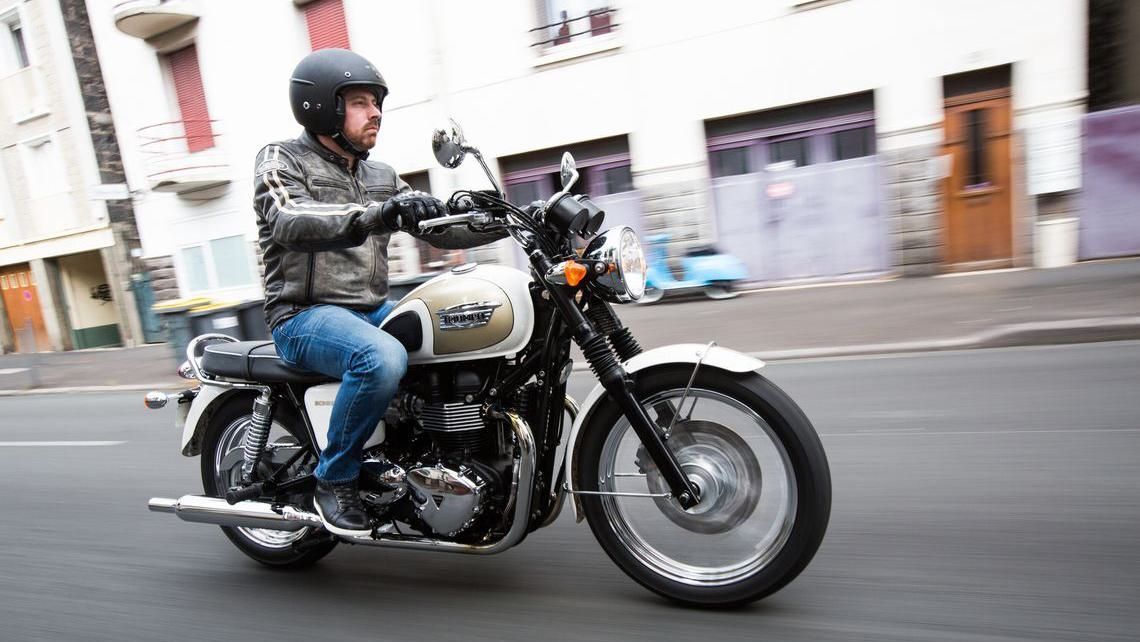
Start slowly with gentle acceleration, braking, and minimal lean angles. Gradually increase your demand on the tires as you get accustomed to their performance. We recommend at least 100 km (approximately 62 mi) for this process. This applies to all our motorcycle and scooter tires.
The ideal approach is to make a trip covering this distance and ride on various road types. Why? In everyday use, such as commuting, riders often lean more to one side—especially at roundabouts—which creates an uneven wear pattern.
While it’s possible to break in tires during regular commuting, it might take a bit longer to ensure both sides of the tire are evenly worn.
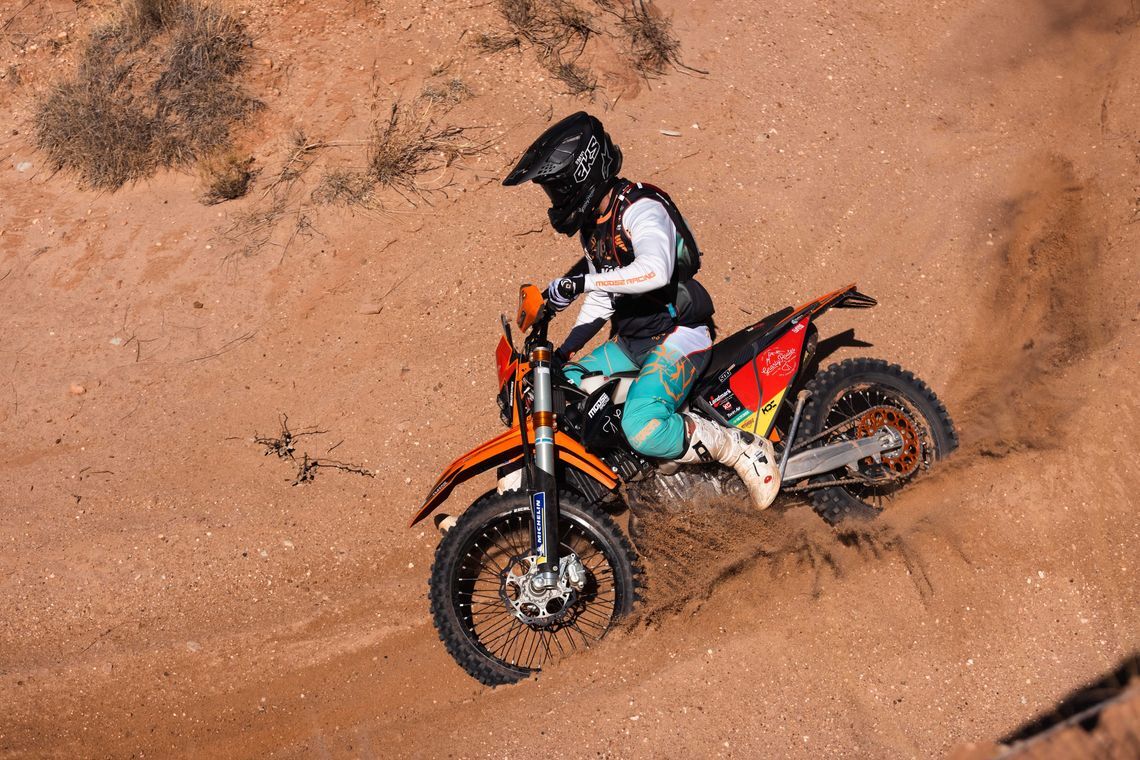
For Off-Road Usage
For some off-road activities, the break-in period may be faster due to the higher friction levels on surfaces like dirt (e.g., Cross Country). However, it’s still recommended to complete at least 100 km before pushing the performance of your new tires.
For Track Usage (NHS and Road Legal Tires)
With Tire Warmers: Maintain the proper temperature and apply sufficient demand right from the start.
Without Tire Warmers: Begin slowly with gentle acceleration, braking, and low lean angles. Gradually increase demand on the tires to familiarize yourself with their performance.
For Rain Tires (NHS)
Avoid sharp acceleration, braking, and aggressive cornering. Gradually increase your pace as you get comfortable with the tire’s capabilities in wet conditions.
The Role of Temperature in Break-In Time
The ambient temperature plays a significant role in how quickly tires are broken in. Warm weather helps tires reach their optimal grip level sooner, reducing the break-in period. Conversely, colder conditions extend the process, so be prepared for a longer break-in time during the colder months common in Canada.
Keep the Proper Pressure
Maintaining the correct tire pressure, as recommended by your tire manufacturer, is essential throughout your tires' lifespan. During the break-in phase, incorrect pressure can negatively impact both short-term handling and long-term performance. Be sure to check your tire pressure regularly, especially when your tires are still new.
Breaking in a New Tire: What to Do When Replacing Just One
You may not always need to replace both tires simultaneously. For instance, if one tire is flat and irreparable while the other shows minimal wear, your dealer may suggest changing only the damaged tire.
The break-in process for a single new tire should follow the same precautions as breaking in a full set. Until the thin film coating on the new tire wears off, the break-in is incomplete. Drive cautiously and progressively as described above.
What Happens After the 100 km (62 mi) Break-In?
Once you've ridden 100 km, you can start to push your motorcycle’s performance. However, avoid abrupt changes in your driving style. Progress gradually until you feel fully confident in your tires’ performance.
As the French playwright Jean Racine once said, “He who wishes to travel far spares his mount.” This timeless wisdom applies just as much to your motorcycle tires today.
FAQ
Read our Frequently Asked Questions.
During the vulcanization (manufacturing) process, release agents are used to prevent the tire from sticking to the mold. These agents remain on the tire's surface after manufacture and reduce grip until worn off through use. Additionally, the tire's contact surface has a slightly textured 'shine' from the mold that needs to be scrubbed away to expose the full grip potential of the underlying rubber. This process typically requires 100–200 km of progressive use before the tire is providing full designed grip.
Avoid full lean angles: stay within 50–60% of maximum lean during break-in—the outer tread areas still have mold release agents that reduce grip.
Avoid hard braking: maximum braking force requires maximum tire grip—which isn't available until break-in is complete.
Avoid full throttle from stops: aggressive acceleration demands rear tire grip that isn't yet at full capacity.
Ride on dry roads: wet conditions further reduce grip on new tires—the first wet ride on new tires should be particularly gentle.
Avoid track riding: track use demands full tire performance—never use new tires on a track until break-in is complete.
Ride progressively: for the first 20–50 km, stay relaxed and avoid aggressive inputs. From 50–100 km, gradually increase lean angles and braking force, but not to maximum. By 100–200 km, you can progressively approach the tire's limits. Pay attention to how the tire communicates—new tires that have just cleared the release agents feel increasingly 'alive' and communicative. Dry, clean, twisty roads are ideal for breaking in sport tires; highway miles work better for touring tires. Avoid extreme conditions (rain, cold) during break-in.
Yes. Sport tires with softer compounds require particularly careful break-in because their grip advantage is in the operating-temperature range—they need both the mold release worn off and sufficient heat cycles to work properly. This can take 150–200 km. Touring tires with harder compounds break in faster—often fully usable within 100 km. Track/racing tires (slicks) have the most demanding warm-up requirements, needing several hot laps to reach optimal operating temperature before full performance is available. Always consult the specific tire manufacturer's break-in guidance for your tire model.
The break-in process can be completed efficiently by choosing riding routes that allow gradual, progressive lean angles—twisty roads rather than highways. The physical process of scrubbing the mold release off the tire surface requires contact with the road surface: riding on dry, clean asphalt at progressively increasing lean angles covers the most surface area efficiently. What you cannot shortcut is the initial 50 km of cautious riding that protects you while the outer tread areas are still compromised. There is no product or treatment that accelerates the break-in—only progressive riding.