Electric vehicle tires and weather conditions
Whether you drive gas-powered or electric vehicles, you always need to adjust your driving habits to accommodate various weather situations, be it dry roads, high winds, icy streets or rainy conditions. However, the special profile of an EV involves a few unique weather-related issues to consider before you venture out.
An electric vehicle’s heavier weight and its powerful instant torque are partly what makes a difference, especially in wintery or rainy weather. When conditions turn challenging, the choice of tires for electric cars goes a long way in offering excellent wet grip or snow and ice confidence.
How weather affects an electric vehicle’s battery is also key to getting the most out of an EV. Let’s take a closer look at various weather conditions, how they impact an electric car, and what drivers can do to improve the efficiency and performance of their vehicles. We’ll also cover the connection between EV tires and weather and what are the best tires for electric vehicles and driving in rain, snow, summer or all season.
What cold weather does to an EV
When temperatures drop below freezing, EV owners might have to de-ice their windshields, but they also must think about their vehicle’s battery. Cold weather is a challenge, particularly in how it impacts EV battery efficiency. Vehicle range can drop as temperatures dip below freezing.
What happens to an electric vehicle battery that makes it so sensitive to cold? Even a gas-powered vehicle needs time to start when it gets cold outside. That’s because batteries simply work better in warmer conditions whereas freezing temperatures slow down their chemical reactions. The end result is that an EV battery has to work harder when it is cold out, which in turn reduces range.
Then there’s the need to heat the cabin when driving in winter, which diverts battery energy away from a longer ride. Icy roads also demand more battery capacity, as the vehicle’s traction system requires more power to navigate slippery conditions.
Beyond driving in cold weather, EV owners also have to think about the effects of cold on the long-term health of their car’s battery. Regular exposure to extremely cold temperatures can shorten the lifespan of an EV battery because of increased strain and damage to charging anodes. An EV’s thermal management system for keeping a battery warm can counteract this, but not without reducing the vehicle’s range.
Planning ahead for cold weather
Fortunately, EV owners can mitigate the effects of cold temperatures in various ways. Planning ahead is probably the most important step by charging your car’s battery at home before you leave. It is also a good idea to pre-heat your vehicle cabin to a comfortable temperature while still plugged in. If possible, heat the environment where you are charging your electric vehicle to improve charging efficiency. It takes longer to charge a battery when it is cold because of how low temperatures increase internal resistance and can slow down the process.
If your battery is low while you are still out in cold weather, consider using the heated seats or heated steering wheel instead of the heat, which require less power.1 And if you do need to charge up while away from your home base, make sure the thermal management system of your electric car is set to precondition and heat up the battery for optimal charging.
Hot weather and electric vehicles
While cold weather is the biggest challenge for electric vehicles, hotter temperatures also require some attention. Studies show that EV range drops by 4% when the temperature rises above 35 °C. Turn on a vehicle’s air conditioning and the number rises to 17%, which is a big drain on your battery.1 If you are trying to extend your drive or running low on a charge, opening the windows is probably your best option, although even open windows do exert some aerodynamic drag on a vehicle.
Like extreme cold, extreme heat can also affect the long-term health of your battery. Chemical reactions are continually taking place in a battery, and heat speeds up these processes. EV owners should consider charging their batteries in off-peak evening or nighttime hours to limit the negative effects of heat on a battery lifecycle, as well as helping the electricity grid to better function during daytime hours. You might also consider letting your battery cool down after driving in the heat to improve charging and strain it less.
Besides cold and heat, humidity can also take a toll on an electric vehicle battery. Over time, humidity will corrode a battery’s electrical components and impair how a charger functions. The best is to park your vehicle in a cool, dry place when possible. Look for shady spots, underground garages or climate-controlled environments as ways to limit the negative effects of heat and humidity on electric vehicles.
One word about rain: surveys show that some people believe electric vehicles and rain do not go together, like electricity and water. However, that is simply a myth. EVs can be driven in rain or charged in rain, even in heavy rain, and have of course been designed so that all major components are protected from water, particularly the batteries.
Choosing the right EV tires for various weather conditions
So, what about tires for an electric vehicle and do they make a difference in various weather conditions? Tires play a big role in the handling and stability of any type of vehicle. Choosing tires designed for EVs is important regardless of the weather because of an EV’s heavier weight but also its instant torque and faster acceleration, both of which are harder on tires.
Come winter, especially in icy, snow conditions, the demands an EV places on tires multiply. Electric vehicle tires need to be able to handle the weight and power of an EV, and winter tires can definitely improve EV traction and braking performance on snowy or slippery roads.
EV owners should consider the Michelin X-Ice Snow tire, which has been designed to offer optimal safety and winter traction. Other options are the Michelin Pilot Alpin and Latitude Alpin tire. All these tire families have been engineered with Michelin’s low tire noise and range-extending technologies to deliver a quiet, extended drive, plus superior handling and grip for winter driving.
Come summertime, tires on an electric vehicle also make a difference. “Summer EV tires” are essentially tires that maximize the performance aspects of an EV and its impressive instant torque. These tires are designed for improved grip and handling, but without increasing rolling resistance, the enemy of an EV’s range.
The Michelin Pilot Sport EV tire summer checks all the boxes for a great warm-weather tire, thanks to its low rolling resistance compounds that get you farther on a single charge while offering great handling and performance. For EV owners wanting to unleash the full power of their vehicles under sunny skies, the Pilot Sport Family of tires offers excellent dry braking. That means a lot of fun for instant torque fans who want to show off what their EV can do, but with tires that can safely handle all that power.
If you live in a relatively temperate climate not prone to either extreme cold or heat, you might want to opt for Michelin CrossClimate family, one of the best EV Ready tires for peace of mind no matter what the weather. The Primacy family tires are designed for your driving needs by combining efficiency, all-weather handling, and great traction for a quiet and comfortable ride.
EV-ready, whatever the weather
Whether you drive an EV or a gas-powered car, weather conditions always pose challenges to driving safely and comfortably. Choosing the right tires for your electric vehicle for whatever climate you live in helps improve handling, safety and performance come rain or shine, snow or heat. And while protecting the health and range of your EV battery in extreme temperatures is one of the EV’s unique challenges, a few simple precautions ensure you can get the most out of your vehicle.
Michelin has been designing and producing tires for every type of weather for decades. This expertise is now more important than ever, given the demands of electric vehicles on tires. Michelin tires are EV-ready, and provide excellent range, wear and low tire noise, along with tire families that have been specially engineered for summer or winter to deliver a long, luxurious ride no matter what the weather.
For more facts and information about tires for electric cars, visit our FAQ page. Use the Tire Selector module here below to start shopping for the right tire for your vehicle or visit the Shop EV Tires page for an overview of Michelin’s EV-Ready tires.
FAQ
Read our Frequently Asked Questions.
Cold (below -10°C): battery capacity drops significantly (20–40%); range shortens; winter tires essential; check tire pressure after cold snaps.
Mild cold (0 to -10°C): standard Canadian winter conditions; winter tires required; range moderately reduced.
Rain and wet roads: wet traction depends entirely on tread depth and compound; low rolling resistance tires with good wet performance ratings are key.
Heat (above 30°C): check tire pressure (heat increases it); range is generally better; summer or all-season tires appropriate.
Snow and ice: winter tires non-negotiable; reduce speed; increase following distance beyond even normal winter allowance (heavier EV).
Cold affects both simultaneously but via different mechanisms. The battery loses capacity chemically—cold slows the electrochemical reactions that store and release energy. Tires are affected physically—rubber compounds stiffen below 7°C, reducing grip on all-season or summer tires. The combined effect in severe cold: reduced range (battery) and reduced traction (tires on inappropriate compounds). Both problems are addressed together by: using winter tires (maintains grip) and pre-conditioning (maintains battery at operating temperature).
Monitor tread depth carefully: EVs are heavier, so hydroplaning resistance depends even more on adequate tread depth.
Reduce speed more than you might in a lighter car: the extra weight increases stopping distances on wet roads.
Use gentle regen and conventional braking: combine both for controlled wet deceleration.
Maintain proper tire pressure: underinflated tires hydroplane at lower speeds.
Allow extra following distance: plan for longer stopping distances due to both wet conditions and heavier vehicle weight.
EVs often handle crosswinds better than many ICE vehicles due to their lower centre of gravity (battery weight on the floor reduces body roll) and often-superior weight distribution. However, larger, heavier SUV EVs with greater aerodynamic surface area may be more susceptible to wind gusts. Tire type and pressure affect crosswind stability: properly inflated tires maintain better directional stability than underinflated ones. Reduce speed in strong crosswinds and be prepared for gusts when passing large vehicles or crossing exposed sections of highway.
Yes. Heat accelerates rubber degradation and increases rolling resistance as the tire works harder. In summer conditions, check that tire pressure is at the correct cold specification—heat increases pressure, so a tire correctly inflated in the morning may be slightly overinflated on a hot afternoon, which is normal and should not be released. The concern is overinflation that existed before the heat: a tire already at maximum pressure that heats up further is at higher risk of pressure-related issues. Follow the standard placard pressure guidance and don't over-inflate in anticipation of heat.
Related articles
-
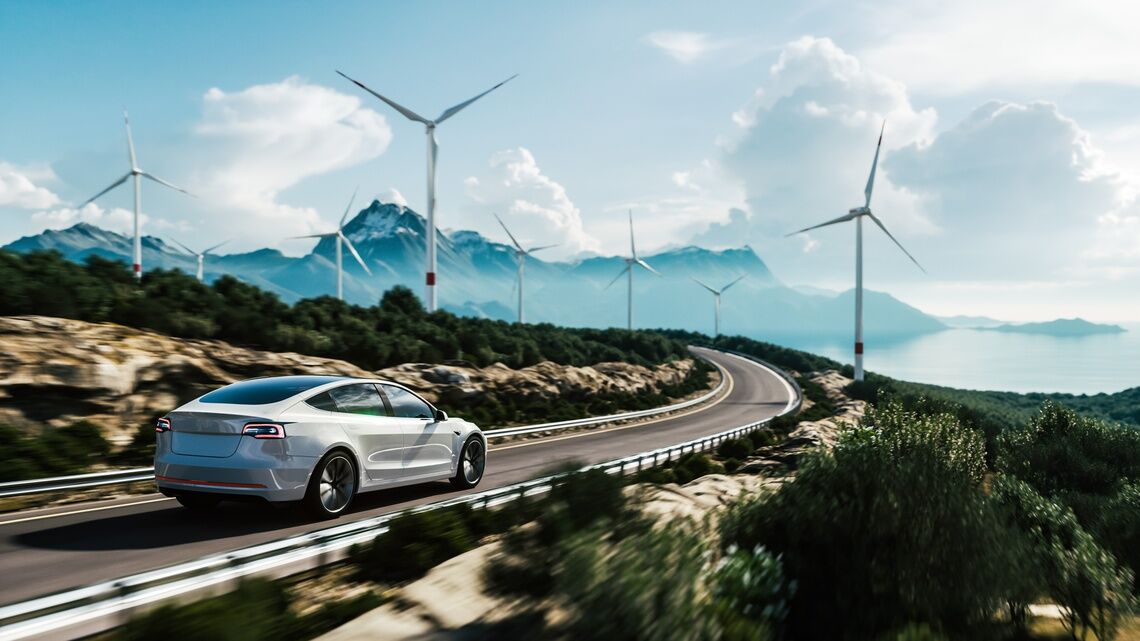
Car noise: are electric cars quieter than gas cars?
Traffic noise is made up of engine noise, tire noise, road noise, and whistling noise. But do electric cars make less noise than petrol cars? Discover the answers in this article.Learn more -

EV Tire Pressure and Maintenance
Because EVs skip many traditional maintenance appointments, tire maintenance becomes the area where EV owners most need to stay proactive. Check pressure monthly when tires are cold, using the recommended PSI from your door jamb or owner's manual. Cold Canadian winters will drop your tire pressure naturally, making winter checks especially important. Rotate EV tires every 8,000 to 12,000 kilometres: the heavier weight and instant torque of EVs accelerate wear, making rotation more frequent than on comparable combustion vehicles. TPMS only alerts at very low pressure; it does not replace manual checks.Learn more -
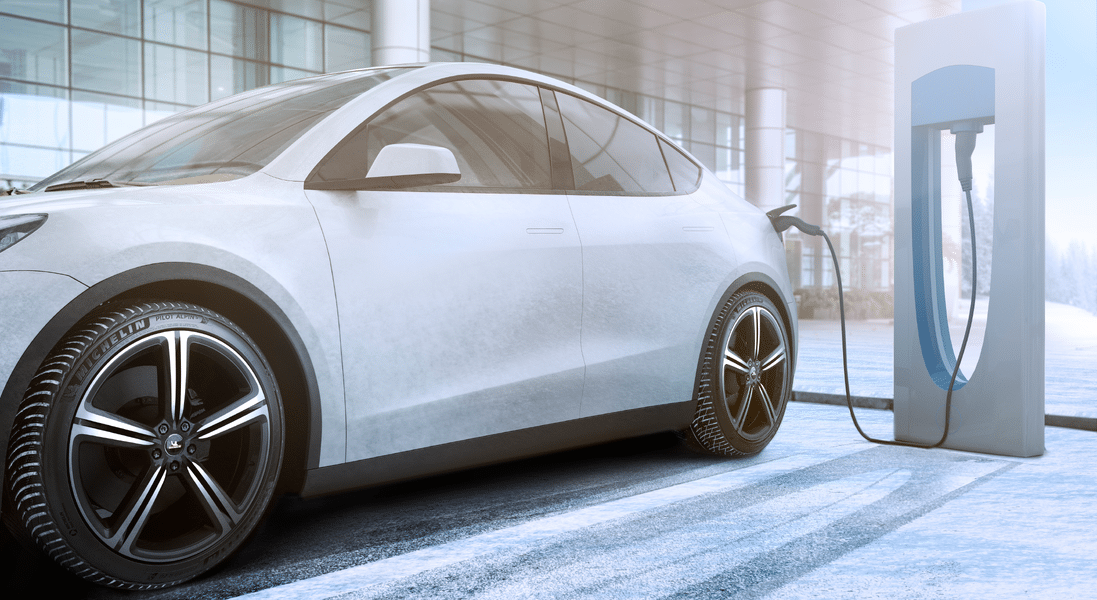
EV Winter Driving with Carl Nadeau
Listen to former racecar driver Carl Nadeau explain why you should choose Michelin winter tires for your EV and discover winter driving tips along the way.Learn more -
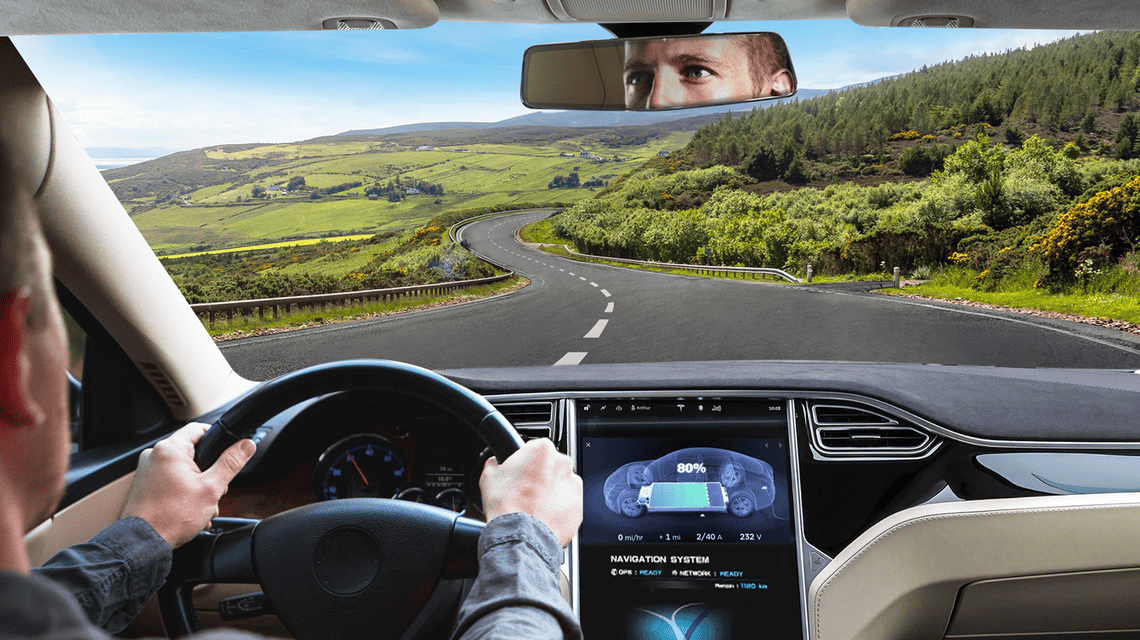
How tires impact your electric vehicle’s range
Every PSI below your vehicle's recommended tire pressure increases rolling resistance, which pulls more energy from the battery and reduces your range. This is one of the most direct and controllable factors in real-world EV efficiency. Tires with low-rolling-resistance compounds extend range further. Keeping tires at correct pressure and rotating regularly to maintain even wear are the two tire habits with the greatest consistent impact on how far your EV travels on each charge.Learn more -
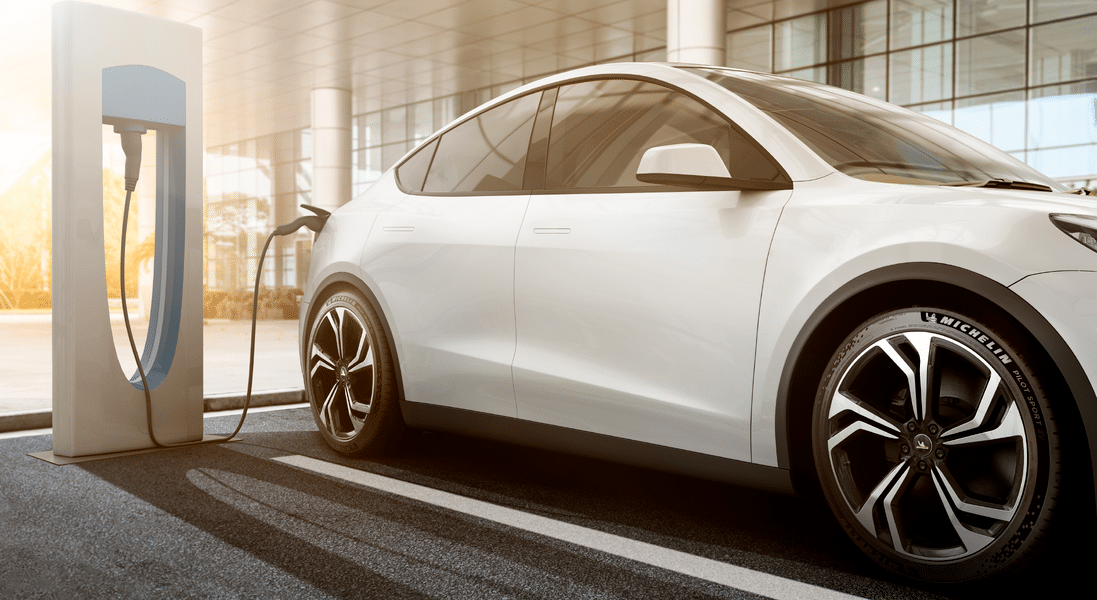
EV Tire Buying Guide
Start with your door jamb sticker. If it specifies XL or HL, any replacement must carry the same designation. From there, choose based on the priorities that matter most for your driving: range (prioritize low rolling resistance), noise reduction (look for acoustic foam or noise-optimized tread design), or tread longevity (prioritize a durable compound developed for EV use). No single tire maximizes all three equally; know which matters most before comparing options.Learn more -

Optimize your EV with tires rated for a higher load capacity
Some EVs require HL (High Load) tires because their battery weight pushes the vehicle beyond what XL tires can safely support at normal inflation pressures. HL tires carry more load at the same pressure through reinforced internal construction. If your vehicle's door jamb sticker or current sidewalls show HL markings, the designation on replacements must match, not just the size. A standard load tire in the correct size does not solve a load capacity requirement.Learn more -
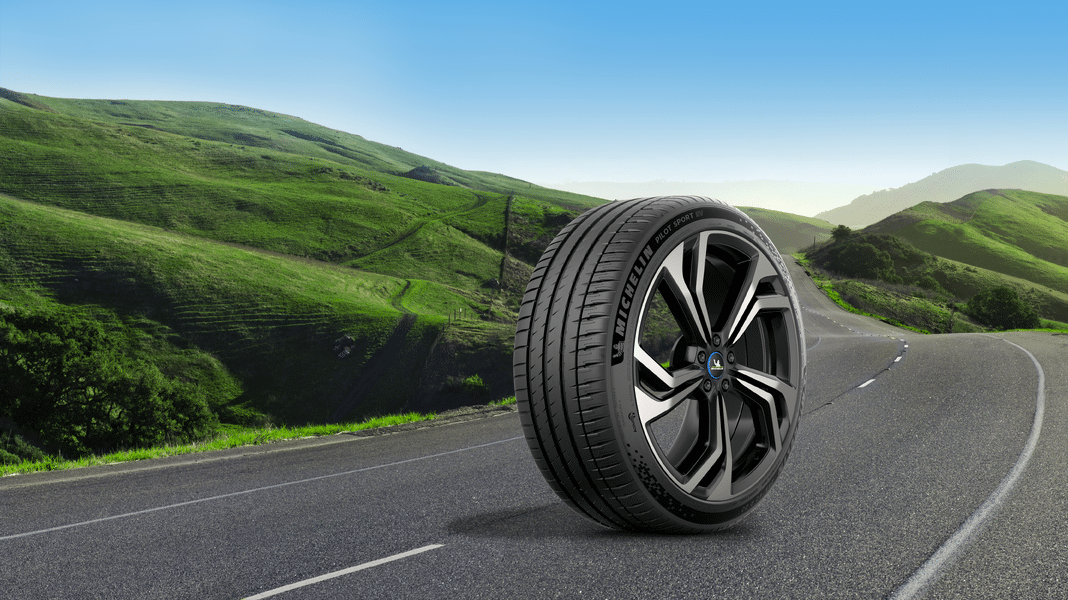
How to Reduce Tire Wear
EVs wear tires faster than comparable combustion vehicles for two specific reasons: battery weight increases the load on every tire with every mile, and instant torque delivery puts higher torsional stress on the driven tires during acceleration. Rotating tires more frequently than the standard interval, maintaining correct pressure, using smooth progressive throttle inputs rather than hard launches, and choosing tires with compounds developed for EV use all reduce wear rate in measurable ways.Learn more -

Plug-In Hybrid Vehicle
Your PHEV has the same tire challenges as a full EV in electric-only mode: battery weight, instant motor torque, and rolling resistance that draws from the battery. In hybrid mode, combustion characteristics add different demands. Low rolling resistance tires extend both electric-only range and fuel efficiency in hybrid mode. Check whether your PHEV specifies XL tires: many do because of battery weight, and replacements must carry that same designation.Learn more -

Quiet and Comfortable Ride with EV Tires
The dominant source of tire noise in an EV cabin is cavity resonance: air vibrating inside the tire at a low frequency that transmits through the wheel, axle, and body structure into the cabin. A ring of polyurethane acoustic foam bonded to the inside of the tire absorbs this resonance before it reaches the cabin. Correct inflation also reduces noise: an underinflated tire deforms more, transmits more road vibration, and generates more noise than one correctly inflated.Learn more -
What are High Load capacity tires?
Over the last decade, the present – and future – of car technology has changed dramatically, largely due to the introduction of hybrid and electric vehicles. Their often-limited range requires all drivers to insure themselves that charging stations are on their way. These regular stops to recharge can add a significant amount of time onto your journey. The solution to this is a larger and heavier battery which can hold more charge, allowing you to enjoy a much longer range before needing to charge. But installing larger batteries means an inevitable increase in the overall weight of the car.Learn more -
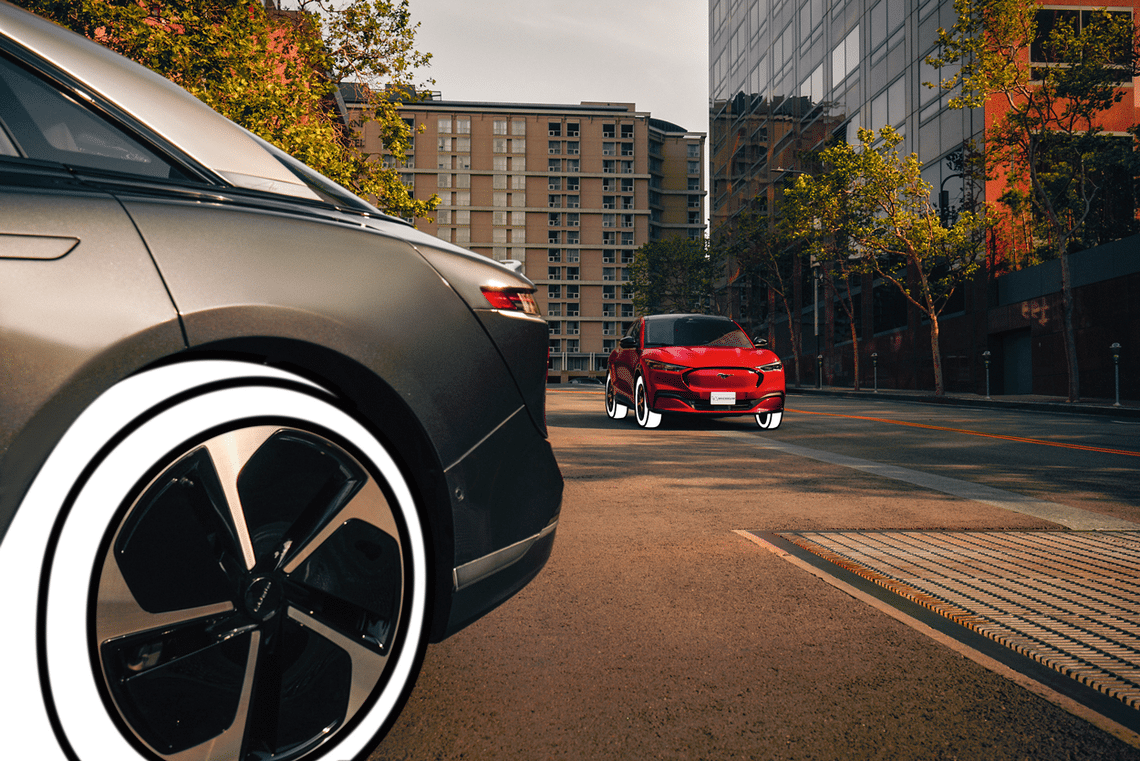
Understanding EV Tires
EV tires are not standard tires with a badge. They are engineered for three specific challenges: the added weight of battery packs (which may require XL or HL load ratings not needed on equivalent combustion vehicles), the tread wear caused by instant electric torque delivery during acceleration, and the cabin noise that becomes prominent when engine sound is absent. This page explains each challenge and what to look for when choosing a replacement tire for your EV.Learn more -

Winter tire guide for hybrid and electric cars
Choosing the right winter tires for your EV or hybrid matters more in Canada than almost anywhere else, because Canadian winters are more demanding and last longer. EVs are heavier than combustion vehicles, which means longer braking distances on slippery roads. Winter tires designed for EVs address this with cold-weather compounds for grip, low rolling resistance construction to minimize range loss, and acoustic tuning to keep the cabin quiet. Monitor pressure monthly in winter: cold temperatures drop tire pressure and compound the range reduction caused by cold batteries.Learn more -
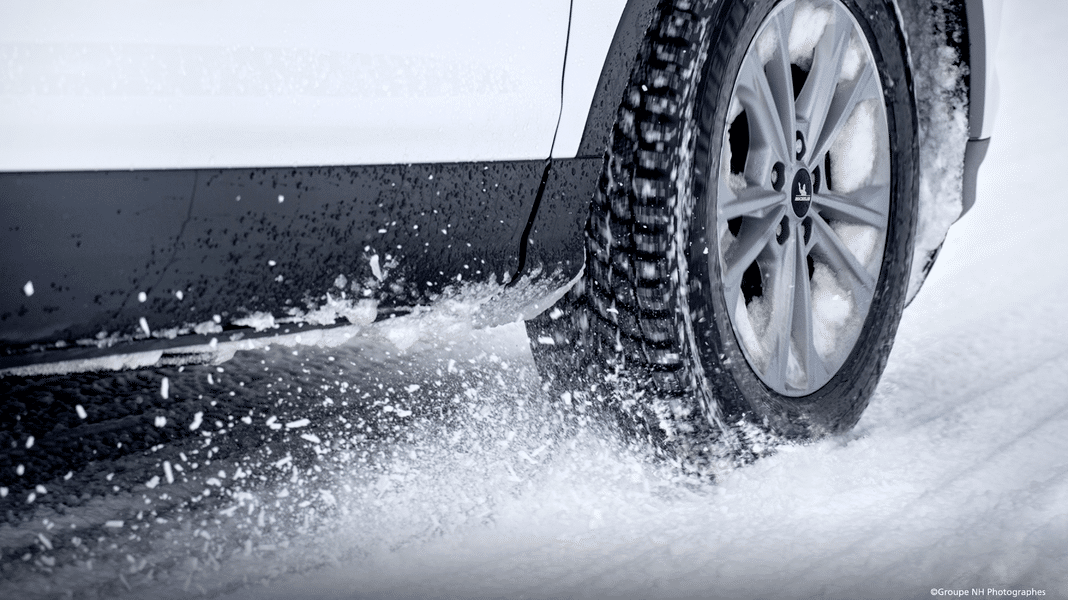
The advantages of using winter tires on an EV
Whether you drive an EV, a hybrid, or a combustion vehicle, winter tires improve your safety in cold Canadian conditions. EVs require a longer braking distance than lighter combustion vehicles on the same tires, which makes the grip advantage of winter tires proportionally more valuable. Driving style matters too: smooth acceleration and gentle regenerative braking reduce the challenge of EV instant torque on slippery surfaces. Store EV winter tires in a cool, dry, dark place off the ground when not in use. Switch back to summer or all-season tires when temperatures consistently rise above 7 degrees Celsius.Learn more