Understanding tire load ratings for electric vehicles
The tires on your electric vehicle have a tough job. They are the only point of contact between your amazing, electric-powered mode of transportation with the road and have to be able to handle whatever driving conditions they meet. With an EV, tires have an even more challenging task because of the extra weight of an electric car. EVs are heavier on average compared to their gas-powered relatives, and the tires for electric vehicles must be designed to handle that extra heft of an EV.
Fortunately, tire manufacturers have been keeping pace with the evolution of electric vehicles and their increasing weight. In recent years, a whole new standard for classifying tires has emerged as a way to produce passenger-sized vehicle tires that are strong and sturdy enough to get you reliably to your destination.
It all comes down to a tire’s load rating, or the tire load index, the technical term. This rating refers to the maximum weight a vehicle's tire can carry when properly inflated. What does the tire load rating mean in the context of EV tires? What does an EV owner have to look for in a tire to be sure they have the proper load rating for their electric vehicle? And what about transporting goods or even towing a trailer? How does that affect an EV’s range and what role do the vehicle’s tires play in extending your drive when transporting heavy materials?
Let’s take a close look at what is involved in tire load ratings and the new standards being rolled out to accommodate the heavier weight of an EV. We’ll also cover what considerations an EV owner needs to keep in mind regarding load and loading rate when choosing tires for an electric vehicle.
Load rating and EV tires
You’ve likely noticed that every vehicle tire has a lot of information on its sidewall, including an alphanumeric code in large print. One of the numbers in that code is the load index, which refers to how much weight that tire can bear when properly inflated. In general, the bigger the tire, the heavier the load the tire could support. Before EVs, XL tires, which means “extra load,” were usually enough to handle the job rather than SL (standard load) or LL (light load) tires used on smaller vehicles.
With the advent of electric vehicles, tires with a higher load rating are becoming more common. EVs are getting heavier, especially as automakers focus on extending the range of an electric car. Getting farther on a single charge requires a larger battery and batteries are heavy, particularly when it comes to the newer ultra-long range vehicles and the premium segment.
Such developments have pushed tire manufacturers to rethink how tires carry loads, and a lot of research and development has gone into developing new construction techniques as well as using new materials and compounds. The result is a new generation of tires with a new tire rating, HL for high load, which indicates a tire that has been engineered to retain the same relative size of a passenger vehicle tire but carry a heavier load. The standard was adopted in Europe in 2021 and in the US in 2023. The new concept will allow vehicle manufacturers to stay with current tire sizes without increasing the wheel size.
Michelin High Load Capacity tires are available as original equipment on an increasing number of vehicles. If your vehicle was originally equipped with HL tires and the time comes to replace them, you should use tires with the HL rating or a load index no less than the original tire. EV light-trucks are also sometimes come fitted with "light-truck metric" tires, rated LT, which have been designed for load-hauling vehicles or vehicles with trailers, such as pickup trucks, SUVs, and vans.
On average, vehicle tires that carry the new HL rating are able to shoulder more weight than a tire of the same size in the XL category. This extra lifting power is important when an already heavy electric vehicle is carrying four to five passengers, luggage or even heavier contents. Tires for electric vehicles with a higher load capacity mean that the vehicle is operating safely with enough reserve to handle the weight and whatever or whoever it is carrying.
Hauling, towing and range
Another issue to consider with tires for electric vehicles and load capacity is what happens when you haul a payload or even tow a trailer. Here tire rating is even more important and having the right vehicle tires that can handle all that extra weight is crucial. Of course, hauling cargo is often done with pickup trucks and these have been slower to emerge in an electric version. However recently, a number of the big automakers have released popular trucks, fully electric powered, making weight and hauling materials more of a trending topic.
The big concern in hauling is what happens to an electric vehicle’s range. The short answer is that carrying heavy loads reduces range. A recent often-cited study shows that one of the leading all-electric pickup trucks lost 25% of its range when transporting nearly its full maximum payload of 680 kg1.
That is pretty much what would happen with a gas-powered vehicle. Government statistics show that 2% of fuel economy is lost with every 45 kg of material transported, which translates to 30% less fuel efficiency for 680 kg2, on par with the loss of range found in the study on the electric pickup truck. That said, the one big difference is always where and how a vehicle owner can refuel, which is still much easier with an internal combustion engine and a driving landscape full of gas stations. With an electric vehicle, range anxiety starts to kick in if the driver isn’t close to their home base or an easy way to charge up the battery any time soon. And hauling cargo only exacerbates the problem.
Towing a trailer is even more challenging with an electric vehicle and can quickly deplete range, even by 50 or 60%3. The heavier the trailer, the faster the range decreases. However, one crucial factor to consider is the shape of the trailer and its aerodynamics. Trailers with low frontal areas cause less wind resistance and exert less drag on the vehicle. Still, the charging infrastructure and also EV battery technology would need to evolve significantly before it becomes viable to haul a trailer of any type with an electric vehicle for a long distance.
While the choice of tires for an electric vehicle or truck cannot entirely mitigate how hauling cargo or pulling a trailer reduces range, equipping your car with EV-specific tires does make a difference. EV tires have been engineered to have low rolling resistance, one of the most important ways a tire contributes to getting you farther on a single charge, regardless of what your vehicle is carrying.
Choosing EV tires with the right load rating
When you select a set of replacement tires for your electric vehicle, knowing about tire load ratings and the special profile of an EV will steer you to making the right choice. Each vehicle is different, but your owner’s manual will already lay out the minimum load capacity requirements for your car, along with tire size and other relevant specifications.
One good rule of thumb is to opt for the Original Equipment Manufacturer (OEM) vehicle tires that were originally used on your vehicle. These tires have been specially designed to accommodate the specific traits of your model, including its weight and the requisite tire load capacity for optimizing performance and safety. OEM tires have also been engineered to reduce tire noise, improve grip, and especially minimize rolling resistance, the crucial ingredient a tire needs for extending range.
If you do opt for replacement tires other than OEM tires, make sure they are heavy-duty enough in their load rating to handle the weight of your vehicle. In fact, not all EVs are heavy. Some of the compact versions might even be as light as a standard gas-powered vehicle, but the trend is currently toward increasing weight, making HL-rated tires or XL tires with a high tire load rating the best choice, particularly for ultra-range vehicles and premium-segment EVs. Also, tires that can handle the weight of your vehicle will last longer. To get the most out of your tires, you will need to regularly monitor the tire pressure of your four tires to ensure that they are properly inflated. Not only does this enable them to deliver optimal performance, it also enhances safety and allows the tires to truly support the load they were designed to hold, even very heavy ones.
For more facts and information about tires for electric cars, visit our FAQ page. Use the Tire Selector module here below to start shopping for the right tire for your vehicle or visit the Shop EV Tires page for an overview of Michelin’s EV-Ready tires.

Find tire dealers near you in seconds
FAQ
Read our Frequently Asked Questions.
Verify load index: confirm your tire's load index meets or exceeds the vehicle placard specification—check at every replacement.
Inflate to loaded specification: if your placard lists a 'loaded' pressure (for maximum occupancy + cargo), use it when carrying heavy loads.
Use XL or HL tires as required: match the load standard (standard, XL, or HL) to what the vehicle manufacturer specifies.
Rotate more frequently: heavier vehicles accelerate uneven wear—every 8,000–10,000 km for EVs.
Check alignment regularly: heavier vehicles amplify the wear impact of even slight misalignment.
Not safely if your EV requires XL or HL load ratings. A 225/50R17 standard load tire and a 225/50R17 XL tire look identical and fit the same rim, but have meaningfully different load capacities. Using a standard load tire on an EV that requires XL puts the tire under continuous excess stress—it will wear faster, run hotter, and is at higher risk of structural failure. Always cross-reference the load index number, not just the size code.
Yes. Battery placement varies by EV model: many EVs are rear-heavy (battery under the rear seats or load floor), which increases rear tire wear relative to ICE vehicles. Some dual-motor AWD EVs have more balanced weight distribution. Knowing your vehicle's weight distribution (in the owner's manual or from your dealer) helps predict which axle tires will wear fastest and informs how you should prioritize rotation direction. On rear-heavy EVs, front-to-rear rotation is particularly important.
EVs with tow ratings can tow trailers, but it dramatically affects range (typically 40–60% reduction) and increases tire stress significantly. When towing, inflate tires to the 'loaded' pressure on your placard. Verify your tire's load index accommodates both the vehicle's base weight and the tongue weight of your trailer. Avoid towing with tires near their wear limit—the combined stress of vehicle weight plus trailer tongue weight plus trailer towing forces accelerates wear and heat buildup. Towing also increases risk of brake fade and handling changes, making tire condition even more critical.
Load capacity is a specification, not a brand preference. Any reputable tire brand that offers your required size in the correct load standard (standard, XL, or HL) is a valid candidate. However, not all brands offer HL tires, and availability in specific sizes varies. Michelin's advantage is both the depth of its EV-optimized range and the dual benefit of meeting load requirements while also addressing the other EV-specific priorities (range, wear, noise). Use load index as a mandatory filter first, then select within compliant options based on performance priorities.
Related articles
-
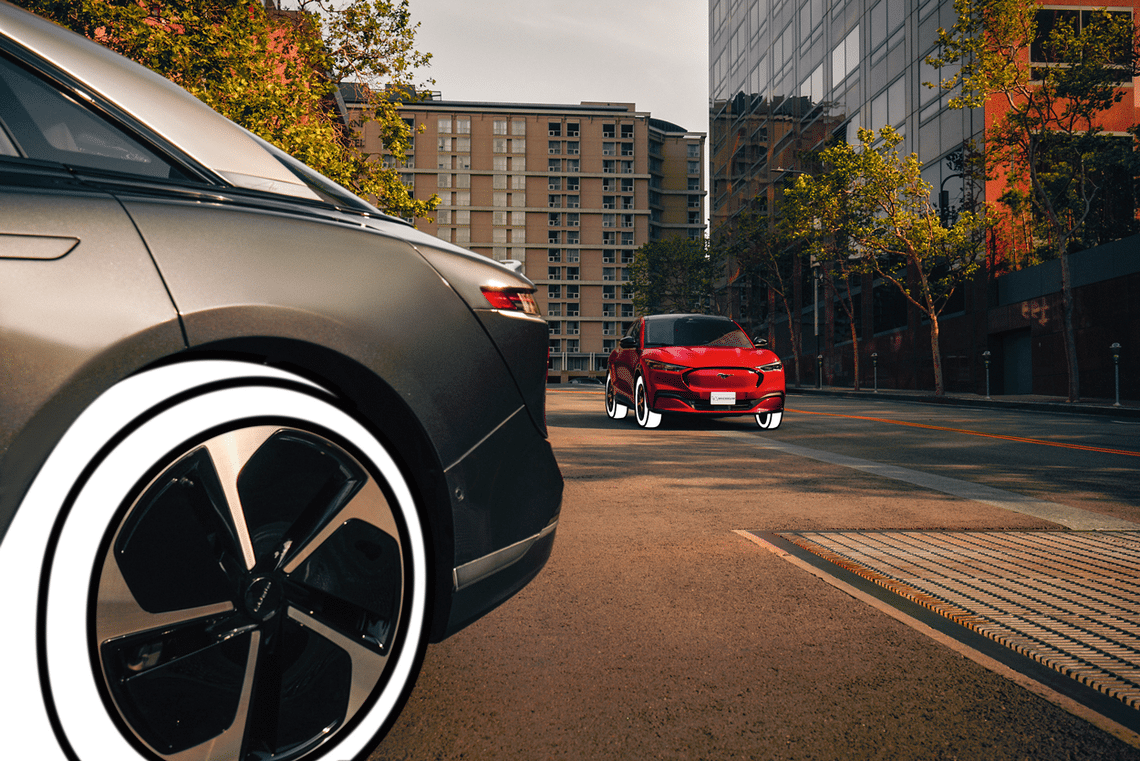
Understanding EV Tires
EV tires are not standard tires with a badge. They are engineered for three specific challenges: the added weight of battery packs (which may require XL or HL load ratings not needed on equivalent combustion vehicles), the tread wear caused by instant electric torque delivery during acceleration, and the cabin noise that becomes prominent when engine sound is absent. This page explains each challenge and what to look for when choosing a replacement tire for your EV.View more -

Winter tire guide for hybrid and electric cars
Choosing the right winter tires for your EV or hybrid matters more in Canada than almost anywhere else, because Canadian winters are more demanding and last longer. EVs are heavier than combustion vehicles, which means longer braking distances on slippery roads. Winter tires designed for EVs address this with cold-weather compounds for grip, low rolling resistance construction to minimize range loss, and acoustic tuning to keep the cabin quiet. Monitor pressure monthly in winter: cold temperatures drop tire pressure and compound the range reduction caused by cold batteries.View more -
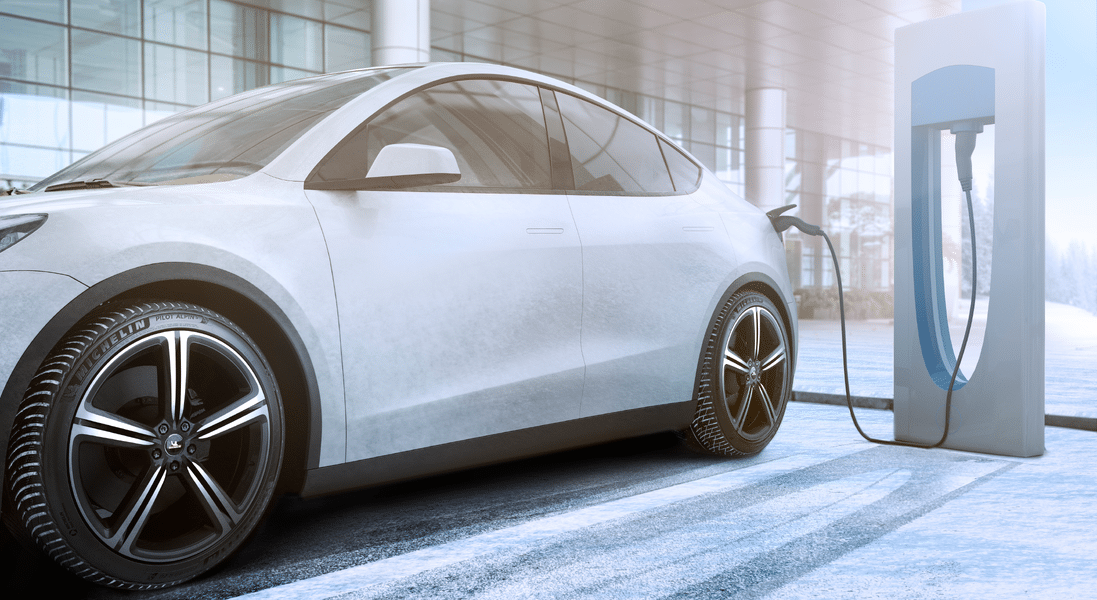
EV Winter Driving with Carl Nadeau
Listen to former racecar driver Carl Nadeau explain why you should choose Michelin winter tires for your EV and discover winter driving tips along the way.View more -
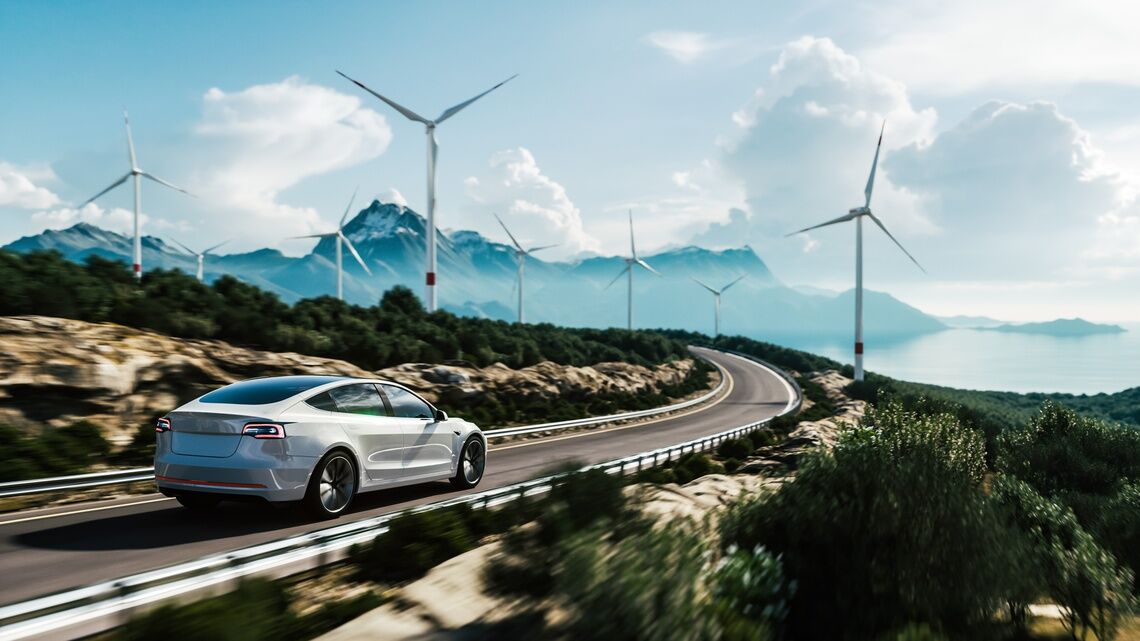
What are High Load capacity tires?
Over the last decade, the present – and future – of car technology has changed dramatically, largely due to the introduction of hybrid and electric vehicles. Their often-limited range requires all drivers to insure themselves that charging stations are on their way. These regular stops to recharge can add a significant amount of time onto your journey. The solution to this is a larger and heavier battery which can hold more charge, allowing you to enjoy a much longer range before needing to charge. But installing larger batteries means an inevitable increase in the overall weight of the car.View more -
Car noise: are electric cars quieter than gas cars?
Traffic noise is made up of engine noise, tire noise, road noise, and whistling noise. But do electric cars make less noise than petrol cars? Discover the answers in this article.View more -
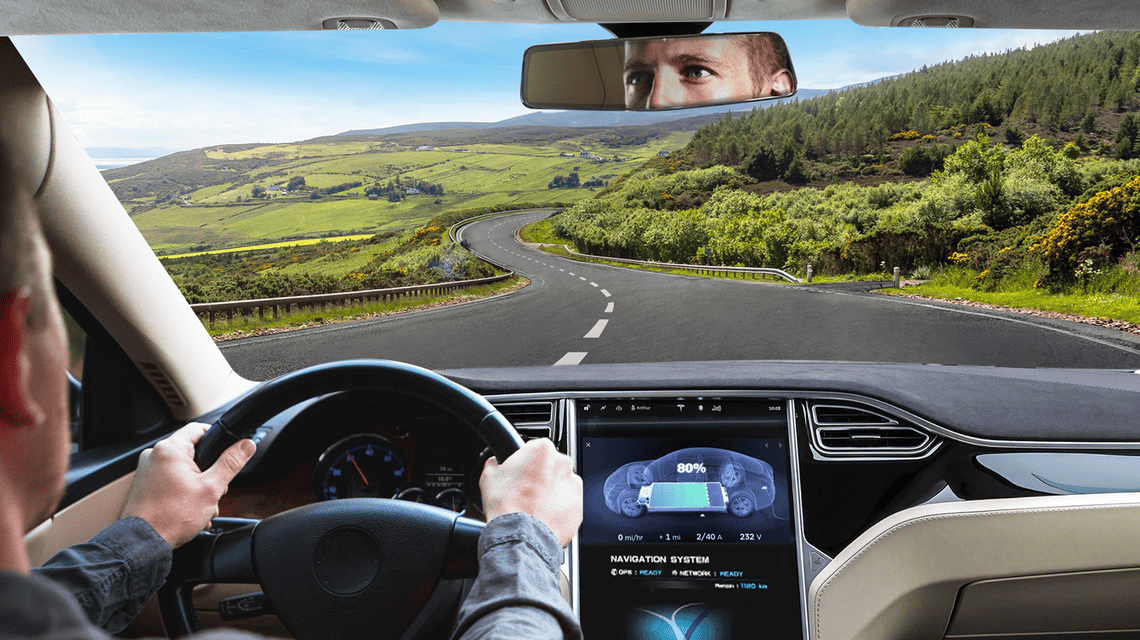
How tires impact your electric vehicle’s range
Every PSI below your vehicle's recommended tire pressure increases rolling resistance, which pulls more energy from the battery and reduces your range. This is one of the most direct and controllable factors in real-world EV efficiency. Tires with low-rolling-resistance compounds extend range further. Keeping tires at correct pressure and rotating regularly to maintain even wear are the two tire habits with the greatest consistent impact on how far your EV travels on each charge.View more -
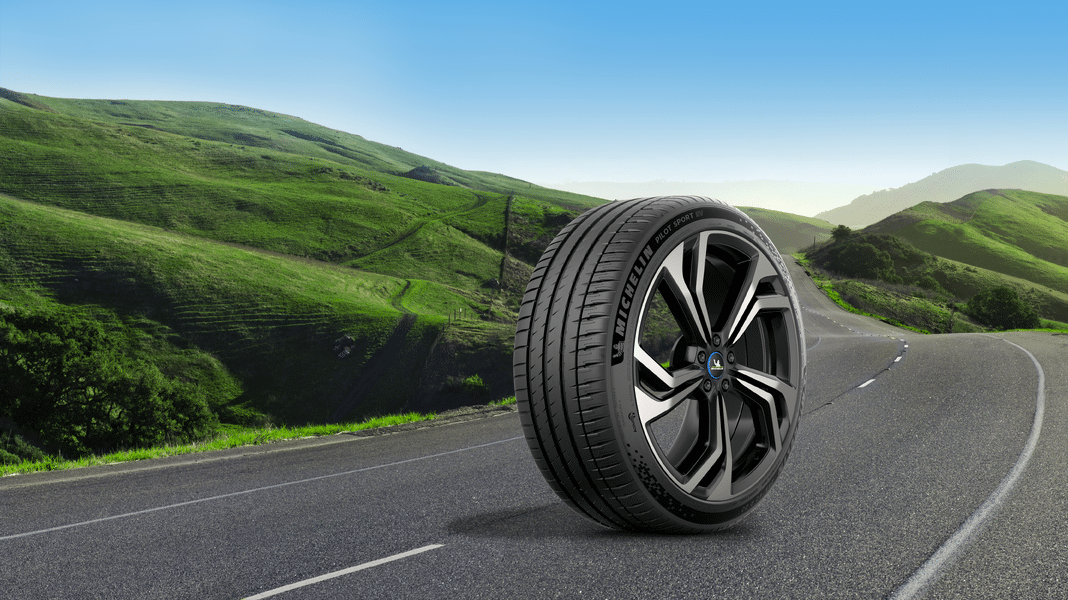
How to Reduce Tire Wear
EVs wear tires faster than comparable combustion vehicles for two specific reasons: battery weight increases the load on every tire with every mile, and instant torque delivery puts higher torsional stress on the driven tires during acceleration. Rotating tires more frequently than the standard interval, maintaining correct pressure, using smooth progressive throttle inputs rather than hard launches, and choosing tires with compounds developed for EV use all reduce wear rate in measurable ways.View more -

EV Tire Pressure and Maintenance
Because EVs skip many traditional maintenance appointments, tire maintenance becomes the area where EV owners most need to stay proactive. Check pressure monthly when tires are cold, using the recommended PSI from your door jamb or owner's manual. Cold Canadian winters will drop your tire pressure naturally, making winter checks especially important. Rotate EV tires every 8,000 to 12,000 kilometres: the heavier weight and instant torque of EVs accelerate wear, making rotation more frequent than on comparable combustion vehicles. TPMS only alerts at very low pressure; it does not replace manual checks.View more -
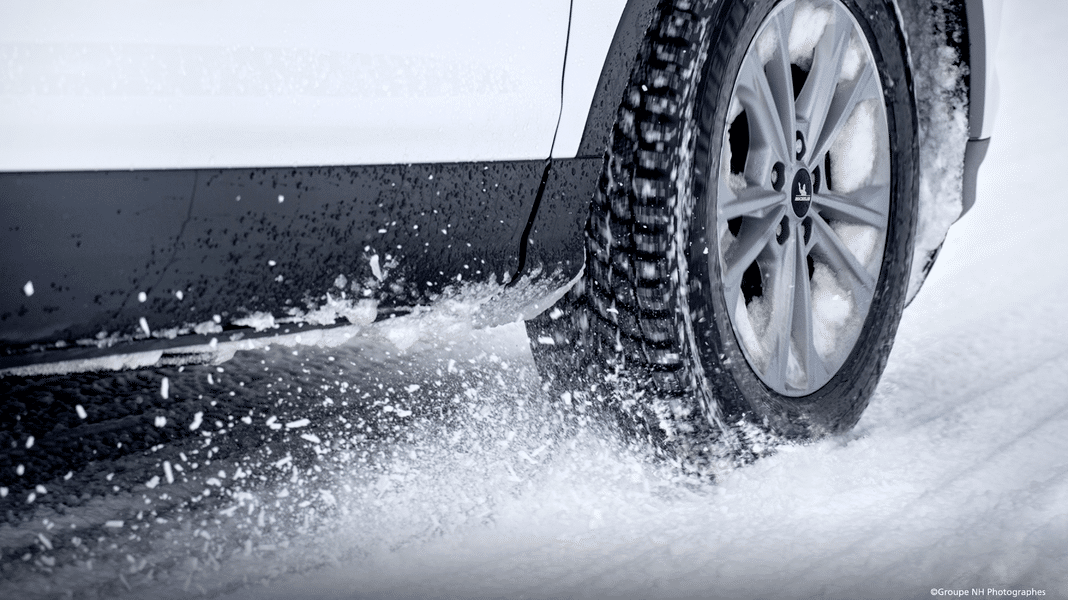
The advantages of using winter tires on an EV
Whether you drive an EV, a hybrid, or a combustion vehicle, winter tires improve your safety in cold Canadian conditions. EVs require a longer braking distance than lighter combustion vehicles on the same tires, which makes the grip advantage of winter tires proportionally more valuable. Driving style matters too: smooth acceleration and gentle regenerative braking reduce the challenge of EV instant torque on slippery surfaces. Store EV winter tires in a cool, dry, dark place off the ground when not in use. Switch back to summer or all-season tires when temperatures consistently rise above 7 degrees Celsius.View more -

Quiet and Comfortable Ride with EV Tires
The dominant source of tire noise in an EV cabin is cavity resonance: air vibrating inside the tire at a low frequency that transmits through the wheel, axle, and body structure into the cabin. A ring of polyurethane acoustic foam bonded to the inside of the tire absorbs this resonance before it reaches the cabin. Correct inflation also reduces noise: an underinflated tire deforms more, transmits more road vibration, and generates more noise than one correctly inflated.View more -
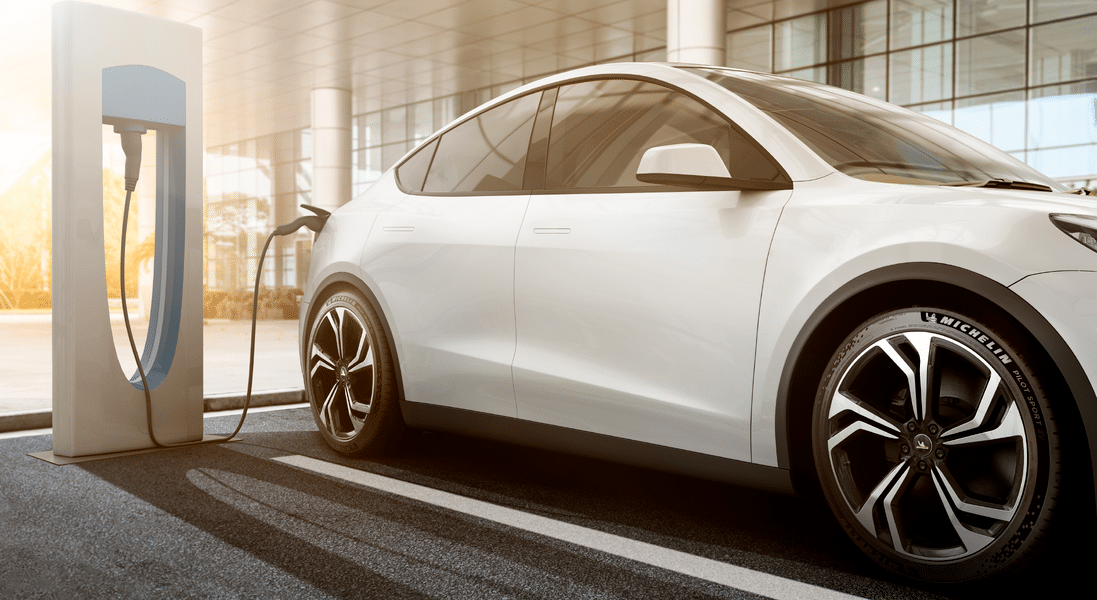
EV Tire Buying Guide
Start with your door jamb sticker. If it specifies XL or HL, any replacement must carry the same designation. From there, choose based on the priorities that matter most for your driving: range (prioritize low rolling resistance), noise reduction (look for acoustic foam or noise-optimized tread design), or tread longevity (prioritize a durable compound developed for EV use). No single tire maximizes all three equally; know which matters most before comparing options.View more -

Plug-In Hybrid Vehicle
Your PHEV has the same tire challenges as a full EV in electric-only mode: battery weight, instant motor torque, and rolling resistance that draws from the battery. In hybrid mode, combustion characteristics add different demands. Low rolling resistance tires extend both electric-only range and fuel efficiency in hybrid mode. Check whether your PHEV specifies XL tires: many do because of battery weight, and replacements must carry that same designation.View more