
Since the load of the car is supported by the four tires, we then need to either increase the size of the tires or use tires which can safety handle more weight. However, the design of the vehicles (especially sport vehicles) often means they don’t have space to add in bigger tires, and the existing Extra Load (XL or EL) tires on the market aren’t sufficiently able to support the heavier load, despite being stronger and more hardwearing than standard tires. Because of this, the tire manufacturers association, ETRTO (European tire and Rim Technical Organisation) has defined a new tire standard that can carry more load than the existing XL tires. These are now known as the High Load capacity (HL) standard tires.
Discover what High Load capacity tires are, why Michelin is developing them, and the key technology used to design them for the ultimate safe and efficient performance.
HL tires for which types of vehicle?
High Load Capacity tires are tires which are designed to support heavier vehicles, such as electric vehicles, hybrid cars and SUVs. HL tires, which despite being the same size and inflated to the same pressure, offer the higher load capacity needed by hybrid and electric vehicles with larger batteries.
How can you recognise HL tires?
HL tires are easy to recognise, with a prefix stating ‘HL’ on the sidewall ahead of the size details.

Why is Michelin developing HL tires?
The need for adaptive technology and new tire designs is most clearly seen with the growth and widespread adoption of hybrid and electric vehicles. It’s important that consumers are able to buy tires that are designed for the specific needs of these vehicles – this usually includes a higher weight load because of the batteries, as well as to assure regenerative braking, lower rolling resistance while still making sure that noise is reduced as much as possible for a quieter journey. Last but not least, Michelin developed these reglementary tires to conform to the road safety rules and guarantee all cars that need them to be able to fit them to their car.
How does Michelin technology support HL tires?
The technology used to create these tires is advanced, and at the cutting-edge of developments in modern tires. It involves using Michelin expertise to increase carcass load carrying capacity while maintaining rolling resistance and comfort through a combination of compounding, mold profile and reinforcement type. This means adapting the rigidity of the tread compound in order to support more load while maintaining wear performance and handling, as well as reinforcing the tire carcass in the zone of max strengths by using more robust plies and harder compounds. Finally, the profile is optimised and adapted to absorb the additional flexion of the tire, due to the weight increase, without sacrificing the comfort for the driver and passengers.
Do I need an HL tire on my electric vehicle?
It depends. When faced with a car with an increased weight, or higher load capacity, there are two options. These are:
Upsizing the tire size, when possible
Or alternatively, using the same sized tire, but one with has a higher load (HL) carrying capacity
But please keep in mind that if you’re driving a large, powerful hybrid or electric vehicle, you’re likely to need HL tires. Remember that vehicles using HL tires will need to replace them with new HL tires when required.

Find tire dealers near you in seconds
FAQ
Read our Frequently Asked Questions.
High Load Capacity (HL) tires are a newer tire standard designed to carry heavier loads than standard or Extra Load (XL) tires of the same size and inflation pressure. They were developed specifically for heavy EVs and large hybrid SUVs whose battery weights exceed what existing tire sizes at normal inflation pressures can safely support. HL tires are identified by the prefix 'HL' on the sidewall before the size designation. They're particularly relevant for larger electric SUVs and trucks where the battery weight is substantial and standard XL tires are not rated sufficiently.
XL (Extra Load) tires can carry more load than standard tires of the same size—typically 10% more at maximum inflation pressure. HL tires go a step further, offering even higher load capacity than XL tires at the same size and pressure. This allows a vehicle to carry the additional battery weight without requiring larger, heavier tires (which would require wheel well modifications) or extreme inflation pressures that would compromise ride comfort and wear. HL tires are the most load-efficient solution for heavy EVs with standard tire dimensions.
Check your vehicle's owner's manual and tire placard. If your EV specifies HL tires in the OE configuration, replace with HL tires—substituting XL or standard tires would be under-rating the load capacity for your vehicle's weight. If your EV came with XL tires, XL replacements are appropriate. If you're unsure, a Michelin retailer can cross-reference your vehicle's specification against available tire options. The consequences of under-rating load capacity on a heavy EV include accelerated wear, heat buildup, and structural failure risk.
HL tire availability is growing as EV adoption increases, but the selection is currently narrower than for standard or XL tires. Michelin is actively developing HL tire options for popular EV platforms. If your vehicle requires HL tires, verify availability in your specific size before purchase—a specialist retailer or Michelin dealer will have the most current fitment information. As EV market share grows in Canada, HL tire availability across brands and sizes will expand accordingly.
No—this is not a safe substitute for the correct load rating. You cannot safely exceed the tire's maximum inflation pressure, and even at maximum pressure, an under-rated tire cannot safely carry more load than its rating allows. The load-carrying capacity of a tire is determined by its internal structure (cord strength, belt construction), not just inflation pressure. Over-inflating a standard or XL tire to try to increase load capacity beyond its rating risks structural failure. Use the correctly rated tire for your vehicle.
Related articles
-

Winter tire guide for hybrid and electric cars
Choosing the right winter tires for your EV or hybrid matters more in Canada than almost anywhere else, because Canadian winters are more demanding and last longer. EVs are heavier than combustion vehicles, which means longer braking distances on slippery roads. Winter tires designed for EVs address this with cold-weather compounds for grip, low rolling resistance construction to minimize range loss, and acoustic tuning to keep the cabin quiet. Monitor pressure monthly in winter: cold temperatures drop tire pressure and compound the range reduction caused by cold batteries.View more -
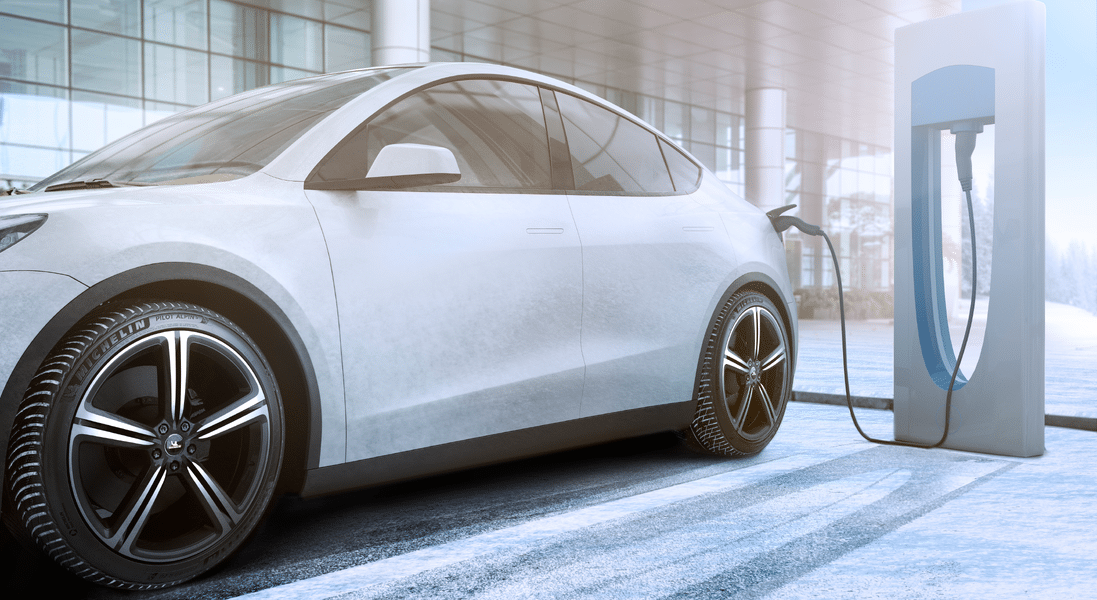
EV Winter Driving with Carl Nadeau
Listen to former racecar driver Carl Nadeau explain why you should choose Michelin winter tires for your EV and discover winter driving tips along the way.View more -
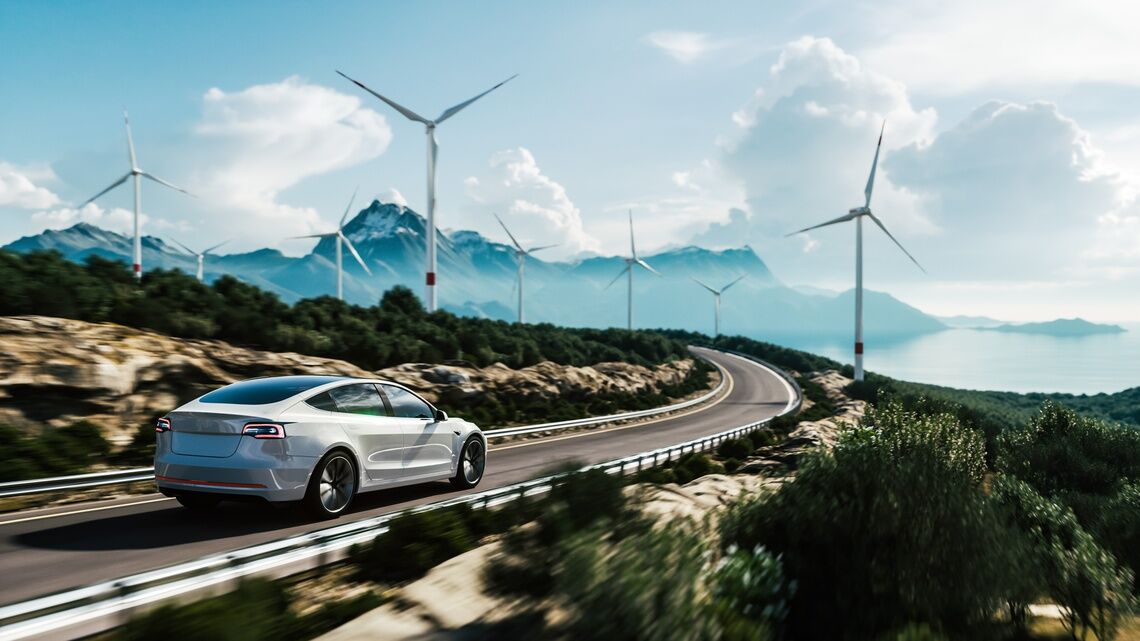
Car noise: are electric cars quieter than gas cars?
Traffic noise is made up of engine noise, tire noise, road noise, and whistling noise. But do electric cars make less noise than petrol cars? Discover the answers in this article.View more