What Equipment Do You Need to Fit a Tubular Tire?
A tubular tire can only be fitted to compatible bicycle wheels. Before you begin, make sure your wheel is suitable for tubular tires. Tubular tires can be glued using either tape or glue, and you'll need the following equipment depending on your gluing method:
Specific Glue or Adhesive for Tubular Tires
Choose a gluing product designed for tubular tires. It must withstand the high temperatures generated by braking, especially if your wheel uses pad brakes. Regular glue won't be strong enough for this type of friction.
Brush for Applying the Glue
If using glue, you'll need a brush to spread it evenly on both the tire and the rim.
Pair of Gloves
Gloves are recommended since the glue can be messy and difficult to remove from your hands.
Removing the Tubular Tire
If the wheel has had a tubular tire previously, you'll need to remove the old glue, which can be a challenging and time-consuming task. Here's how to proceed:
Gently remove the old glue from the rim. This may take some time, and it’s important to be patient. If you're unsure about the removal process or feel uncomfortable doing it yourself, don’t hesitate to take your wheel to a professional for assistance.
1 - Stretch the Tubular Tire (24 Hours Before Installation)
The diameter of the tubular tire is smaller than the rim’s diameter, which ensures that the tire will securely stay in place once mounted. To help the tire stretch and gain more elasticity, it is recommended to pre-inflate the tubular 24 hours before fitting. This stretching will allow for easier installation and ensure the tire fits better when it is laid down.
2 – Remove the Tubular
Start from the opposite side of the valve: Always begin removing the tubular from the side opposite to the valve.
Carefully peel off the edges of the tubular by hand, working around the entire rim.
Repeat this process on both sides of the tire until it’s fully removed.
While a flat-head screwdriver might help in the removal, it’s not recommended since there’s a high risk of damaging the rim or the tubular.
Pull to Fully Remove:
Once part of the tubular is peeled off the rim, simply pull on it to completely remove the tire.
3 – Remove Glue Residues
Why It’s Important: Any leftover glue on the rim can create an imperfection, leading to unevenness that may cause your wheel to wobble during use.
Removing the Glue:
Professionals often use a screwdriver to scrape off the first layer of glue, but this can be risky, especially with carbon rims.
For beginners, it’s safer to use adhesive remover or adhesive paper to gently clean off any glue residue. The goal is to have a smooth, even surface around the rim.
4 - Final Stretching Before Installation
Before mounting the tubular tire, it’s essential to stretch it to ensure a proper fit:
Inflate the Tubular to the maximum recommended pressure.
Close the valve and let the tire sit overnight. This helps it gain the proper elasticity and shape for easier mounting.
Fitting the Tubular
Check Valve Length:
Ensure that the valve is long enough to extend through the rim. If necessary, you can add a valve extender to ensure proper installation.
Fitting Tubular Tires with Glue
The following steps apply if you've chosen to glue your tubular tire:
Inflate the Tubular to around 1.5 bars. This makes it easier to apply the glue and helps with the fitting process.
Identify the Part to Glue: On the underside of the tubular, there is a protective cotton sheet that comes into contact with the wheel. This is the part you'll be gluing to the rim.
1 – Apply Glue to the Tubular
Work in a clean, well-ventilated area to ensure safety and cleanliness.
Apply a thin line of glue to the underside of the tubular, where it will make contact with the rim.
Spread the glue evenly using a brush, making sure the entire surface of the cotton sheet is covered.
2 – Apply Glue to the Rim
Perform the same gluing process on the rim.
Ensure the glue is spread evenly around the entire circumference of the rim.
After applying the glue to both the tire and the rim, let it dry for about 20 minutes.
Test the dryness by lightly touching the glue with your finger. When it no longer feels stringy or tacky, it’s ready to mount the tubular tire.
3 – Position the Tubular
Start with the Valve:
Begin by inserting the valve into the rim, ensuring it is well-centered.
Stick the Tubular to the Rim:
Gradually press the tubular tire against the rim, working your way around the wheel. Move from the valve outward, positioning the tire symmetrically on either side.
Ensure Proper Alignment:
The protective sheet of the tire should protrude slightly on both sides, giving you a clear indication of whether the tire is centered. If necessary, adjust the position for better alignment.
Important Resting Time
Once the tire is in place, let it rest for 1-2 hours to allow the glue to bond properly between the tubular tire and the rim. Not letting the glue set can result in tire dislodgement, which could pose a safety risk while riding.
Fitting Tubular Tires with Tape
We recommend using tape only on new rims or rims that have previously had similar tape applied. Clean the rim thoroughly using a degreaser if necessary, to ensure the tape adheres properly. Depending on the depth of the rim, a valve extender may be necessary to ensure proper installation.
1 - Apply the Adhesive Tape
Start 15 cm from the Valve Hole:
Begin applying the tape about 15 cm from the valve hole.
Peel Off the Bottom Film:
Slowly peel off the bottom film of the tape as you press the tape onto the rim.
Wrap the Tape Around the Rim:
Apply the tape evenly around the entire circumference of the rim, ensuring there are no wrinkles or gaps.
Cut Excess Tape:
When the two ends meet, cut any excess tape to avoid overlapping.
Make a Hole for the Valve:
Carefully make a hole at the valve position without removing the tape from the rim.
2 – Fit the Tubular
Peel the Top Film:
Gently peel off the first few centimeters of the top film of the tape.
Position the Tubular:
Place the tubular tire on the rim, making sure the top film remains accessible once the tire is mounted.
Inflate the Tubular:
Inflate the tire slightly, centering it on the rim. Then deflate it to about 1.5 bars to help position it correctly.
3 – Pull Off the Top Film
Remove the Top Film:
Once the tubular is fitted, carefully go around the rim and gently pull off the top film of the tape.
4 – Inflate to Desired Pressure
Final Inflation:
With the tubular now securely in place, inflate it to your desired pressure, taking into account your size, weight, and riding style.
Do Not Exceed Maximum Pressure:
Ensure that the pressure does not exceed the maximum recommended pressure indicated on the side of the tubular tire to avoid potential air loss.
Wait 24 Hours Before Use:
For the glue to set properly, wait for 24 hours before using the tire.
Can I Put Sealant in My Michelin Tubulars?
Yes, it is perfectly fine to add tire sealant to the inside of your Michelin tubulars to help prevent punctures.
Make sure that the valve shell is removable before adding sealant. If the valve shell is not removable, you risk clogging the valve and sealant system.
Fortunately, Michelin tubulars are equipped with a removable valve shell, which allows you to safely add sealant without damaging the tire or valve.
By adding sealant, you can help reduce the chances of punctures and ensure a smoother, safer ride.
Tubular Tires
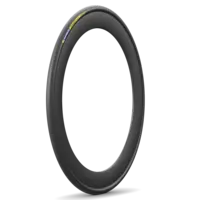
Michelin POWER CUP TUBULAR RACING LINE
Achieve your goals with the MICHELIN Power Cup tubular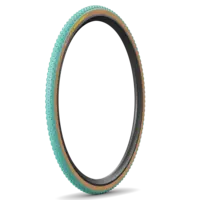
Michelin POWER CYCLOCROSS MUD TUBULAR RACING LINE
Our Tubular CX Racing Tire - The latest generation of the legendary MICHELIN® green compound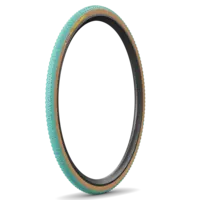
Michelin POWER CYCLOCROSS JET TUBULAR RACING LINE
Our Tubular CX Racing Tire - The latest generation of the legendary MICHELIN® green compound


Related articles
-

How Long Do Bike Tires Last?
A bike tire’s lifespan is influenced by two key factors: wear and age. In this article, we'll first explore the causes of tire wear, including what leads to premature degradation. Then, we’ll look at how long tires can last based on age, and provide maintenance tips to help you extend their performance, which is important for riding in Canada’s varied terrain and climate.Learn more -
How to Change a Bike Tire
Changing a bike tire might seem daunting at first, but punctures are a part of riding. Whether you're on a quick commute or exploring Canada’s backroads, knowing how to change a tire helps keep you rolling without delay. In this guide, we’ll walk you through the steps.Learn more