The 3 Types of Bike Punctures
There are three main types of bike punctures that your tires may face, and each requires a different approach for prevention. Here's how you can avoid them:
1 - Perforations and Cuts
Nails, stones, thorns, and rough road surfaces are common culprits for puncturing the inner tube or tubeless tires. Cuts can also occur due to sharp objects or aggressive components on certain roads.
Several factors contribute to a tire’s resistance against these punctures:
The thickness and quality of rubber used.
The density of the casing cords.
The textile reinforcing ply for added durability.
Additionally, the type of inner tube plays a role, with thicker tubes or those containing self-sealing liquids offering enhanced protection.
How to Prevent Perforations and Cuts
If you use a tubetype tire, Michelin recommends MICHELIN PROTEK MAX inner tubes for mountain biking and urban cycling or city trekking.
- Its self-sealing liquid provides excellent puncture protection.
- The special design helps prevent perforations and cuts, keeping you on the road longer.
For added durability and puncture resistance, consider Michelin’s Protek Max tubes to ensure smooth and safe rides, especially in urban environments.
2 - Pinch Puncture (Snake Bite Puncture)
A pinch puncture occurs when the inner tube gets pinched between the rim flange and the ground, typically after riding over obstacles such as potholes at high speed. This is also known as a "snakebite" puncture.
How to Prevent Pinch Punctures
To reduce the risk of pinch punctures, it’s essential to maintain the correct tire pressure as recommended by the tire manufacturer.
- Proper tire pressure is crucial for performance and safety, too high or too low can cause rapid air loss or impact tire longevity.
- Tires with a wide cross-section, thick sidewalls, and a thicker inner tube are better equipped to resist pinch punctures, ensuring a safer ride, especially on rough or uneven surfaces.
3 - Perforation by the Rim Wall
This type of bike puncture occurs when the rim tape is either unsuitable or damaged (wrong width, material, or poorly centered), causing damage to the inner tube. The hole will typically be located on the rim side, not the tread side.
How to Prevent Perforation by the Rim Wall
To avoid this type of puncture, we recommend replacing the rim tape each time you replace a tire or inner tube. Ensure the rim tape is the correct width, material, and is centered properly to protect the inner tube from contact with the rim.
Equip Yourself with Puncture-Resistant Bike Tires
While the precautions mentioned above can help reduce the risk of a bike puncture, you can further enhance your peace of mind by choosing puncture-resistant bike tires for your rides.
Our MICHELIN Power range is specifically engineered to meet all your needs, offering strong resistance to bike punctures for a safer and more reliable cycling experience.
Featured Tires
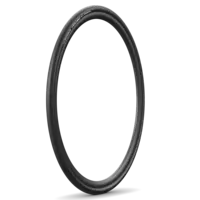
Michelin POWER ALL SEASON COMPETITION LINE
Maintain maximum grip in all weather conditions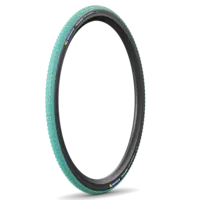
Michelin POWER CYCLOCROSS JET COMPETITION LINE
The cyclocross tire with tubular performance(1)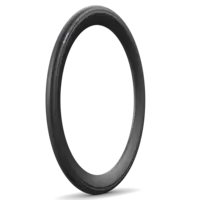
Michelin POWER CUP COMPETITION LINE
Inspire your confidence with the MICHELIN Power Cup tire for racing and training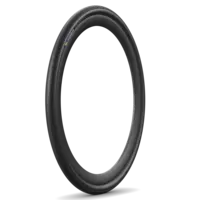
Michelin POWER ADVENTURE COMPETITION LINE
Enjoy freedom beyond the road with the Michelin Power Adventure tire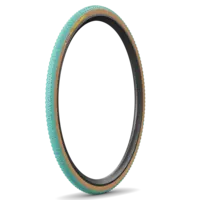
Michelin POWER CYCLOCROSS JET TUBULAR RACING LINE
Our Tubular CX Racing Tire - The latest generation of the legendary MICHELIN® green compound


Related articles
-

How to Use Bike Tire Sealant
Tire sealant is a must-have for cyclists across Canada, from road riders in Toronto to mountain bikers in Whistler. Whether you're cruising through urban streets or tackling rugged backcountry trails, using a quality bike tire sealant helps prevent flats and keeps your ride smooth. Wondering how to apply it and how often? Let’s break it down.Learn more -

What Should I Do If My Back Bike Wheel Wobbles?
You're riding your bike and start to feel a bump at the rear with each turn of the wheel, a lateral or vertical shake that’s not only uncomfortable but can also, in some cases, destabilize the bike and increase the risk of a fall. This is especially important to address quickly for riders navigating urban streets, rural roads, or gravel paths across Canada. So what should you do if your back bike wheel wobbles? Find the answers in our article.Learn more -
How to Store Bike Tires Properly
Whether your tires are mounted on wheels or stored separately, there may be times when proper bike tire storage is necessary, especially during Canada’s winter months or extended periods off the bike. But what special precautions should you take to preserve your tires in the best possible condition? Should storage methods differ based on tire type? Read on for our expert recommendations tailored to Canadian cyclists.Learn more -

How to break in new tires properly
Breaking in new tires is an essential step to ensure optimal performance and longevity. Our experts recommend a gradual process that allows the tire to reach its final shape and adapt to the road conditions. In this guide, we explain why breaking in your tires is important, how long it takes, and the best methods to do it correctly.Learn more