Which Inner Tube for Your Bike?
1 – What Inner Tube Size Do I Need?
Check the sidewall of your tire for sizing details. The tire size may be listed in millimetres, inches, or ETRTO format (e.g., 40-622). Your inner tube must match both the diameter and width of your tire to ensure a proper fit.
For a deeper dive, refer to our article “Understanding Bike Tire Sizes.” Matching the right tube to your tire is essential for both performance and safety, especially in varying Canadian road and trail conditions.
2 – Choose the Right Valve for You
If there are multiple valve types available, you’ll need to choose between a STANDARD (Schrader) valve and a PRESTA valve, based on your bike type and usage.
How to Fit a Tubetype Tire (Tire with Inner Tube) to Your Bike
Installing a tubetype tire or an inner tube may seem tricky, but with the right steps, it's easy to get it right. Follow these step-by-step tips to mount your tire properly and ride with confidence.
This guide also includes practical recommendations to help you avoid common mistakes and ensure a safe, efficient setup, whether you're preparing for a daily commute or tackling Canadian roads and trails.
Fitting a Standard Tire with an Inner Tube
1 – Inspect the Rim
Before installation, carefully check the condition of the rim. If it’s cracked or damaged, it must be replaced, as it could cause air leaks or even lead to accidents or injuries.
2 – Check the Rim Strip
Inspect the rim band (rim strip) that covers the spoke holes. If it’s cracked, brittle, or misaligned, replace it. A damaged rim band is a common cause of punctures. When installing, align the valve hole in the band with the one in the rim.
3 – Insert the First Bead of the Tire
Fit the first side (bead) of the tire into the rim groove completely.
4 – Install the Inner Tube
Inflate the inner tube slightly so it holds its shape, then insert it inside the tire, starting at the valve. If you're using a latex tube, apply talcum powder to help it seat properly and prevent sticking or pinching.
5 – Insert the Second Bead
Fit the second bead of the tire into the rim, starting opposite the valve. Work your way around, finishing at the valve area, ensuring the bead sits fully in the rim well.
Fitting a Tubeless Tire
1 – Use a Compatible Rim and Inspect Carefully
Ensure you're using a Tubeless Ready or UST-compatible rim. Inspect the rim closely—if it’s cracked or damaged, it must be replaced to avoid air leaks or tire failure.
2 – Lubricate the Rim Properly
Apply a lubricant like soapy water around the entire rim to help the tire slide into place and centre correctly. Do not use oil or grease, as they can damage the rubber compounds and prevent the tire from seating properly.
3 – Fit the First Bead
Begin inserting the first bead opposite the valve, ensuring it sits deep into the rim well for easier installation.
4 – Fit the Second Bead
Repeat the process for the second bead, again starting opposite the valve and working your way around until the final section is installed near the valve.
5 – Inflate and Check Centering
Inflate the tire to seat it—do not exceed the maximum pressure printed on the sidewall. Ensure the tire is evenly centered. After riding a few kilometres, check and adjust the pressure for optimal performance.
Tubeless Ready (MTB)
All Michelin MTB tires with foldable beads in both the Performance Line and Racing Line are Tubeless Ready, meaning they can be installed without inner tubes if the following conditions are met:
Use a Tubeless Ready or UST-compatible rim
Do not exceed the maximum pressure listed on the tire sidewall
Add a sealant liquid, such as latex, to ensure airtight performance
Check tire pressure before every ride for safety and performance
Removing a Tubeless Tire
To remove a tubeless tire:
Unclip both beads and push them into the rim well
Place two tire levers about 10 cm apart, on either side of the valve
Lift both levers simultaneously to bring the tire bead over the rim edge and fully release the first bead
Remove the second bead by hand
Michelin Protek Max Inner Tube
The Michelin Protek Max inner tube offers advanced puncture resistance using two key technologies:
Its textured surface and compression help seal small punctures naturally
A self-sealing liquid moves to the puncture site through the combination of internal air pressure and wheel rotation
This tube can still function after removing the object that caused the puncture—as long as the rim, tire, and Protek Max tube remain intact and properly inflated.
Note: The Protek Max tube is not designed for repair and should be replaced if damaged beyond sealing.
Caution During Use of Michelin Protek Max Inner Tube
The Protek Max inner tube contains sealing liquid inside. While this helps seal small punctures, it's important to handle the tube with care:
If the inner tube ruptures, some sealant may leak. This product can cause irritation, so avoid swallowing and contact with skin, eyes, or mucous membranes.
In case of accidental ingestion or eye contact, seek medical attention immediately.
Do not place the valve near your mouth to avoid exposure to sealant residue.
For step-by-step guidance, watch our video: “How to Fit a Michelin Protek Max Inner Tube.”
Bike Tire Maintenance Tips
Tire Maintenance
To extend the life of your tires, perform a quick inspection before each ride:
Remove debris (stones, glass, flint) lodged in the tread using a small tool like a screwdriver.
Clean tires with water only—avoid abrasive cleaners that can damage the tire’s fabric or casing.
For small cuts, apply rubber repair patches on the inside to prevent further damage.
Be especially cautious after rain, as wet roads make sharp debris like flint more visible and dangerous, increasing the risk of cuts.
Proper Tire Storage
When your bike is not in use:
Store your tires in a cool, dry, and dark place to prevent rubber degradation.
Avoid prolonged sun exposure. UV rays and heat can prematurely age the rubber.
Handling Punctures
If you experience a puncture:
Replace the rim band each time you replace a tire or inner tube to help prevent future flats and ensure proper sealing and fit.
Fitting Direction for Mountain Bike Tires
Tire direction matters for optimizing traction and braking:
Front tires: Designed primarily for braking.
Rear tires: Built for traction.
Check for the arrow on the tire’s sidewall indicating rolling direction, and markings that specify “Front” or “Rear.”
Understanding Tire Pressure for Optimal Performance
Tire pressure depends on several factors:
Rider weight
Tire width
Bike setup (e.g. front or full suspension)
Intended use (e.g. trail, road, commuting)
Refer to Michelin’s pressure guide to find the recommended tire pressure for your setup, ensuring safety, performance, and comfort, especially important on diverse Canadian terrains.
Related articles
-
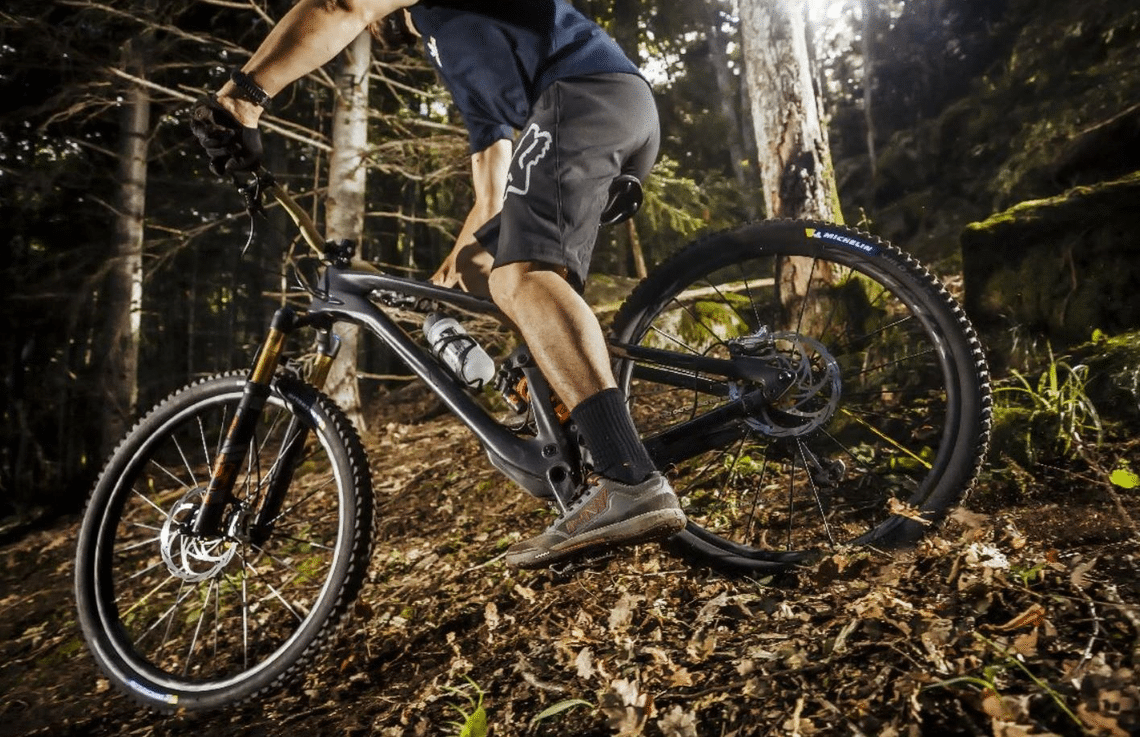
How to choose your bike tire?
Whatever your cycling activity, some tires will be more suitable than others. How do you choose the right bike tires to get the performance you expect? Find the answers in our complete guide.Learn more -
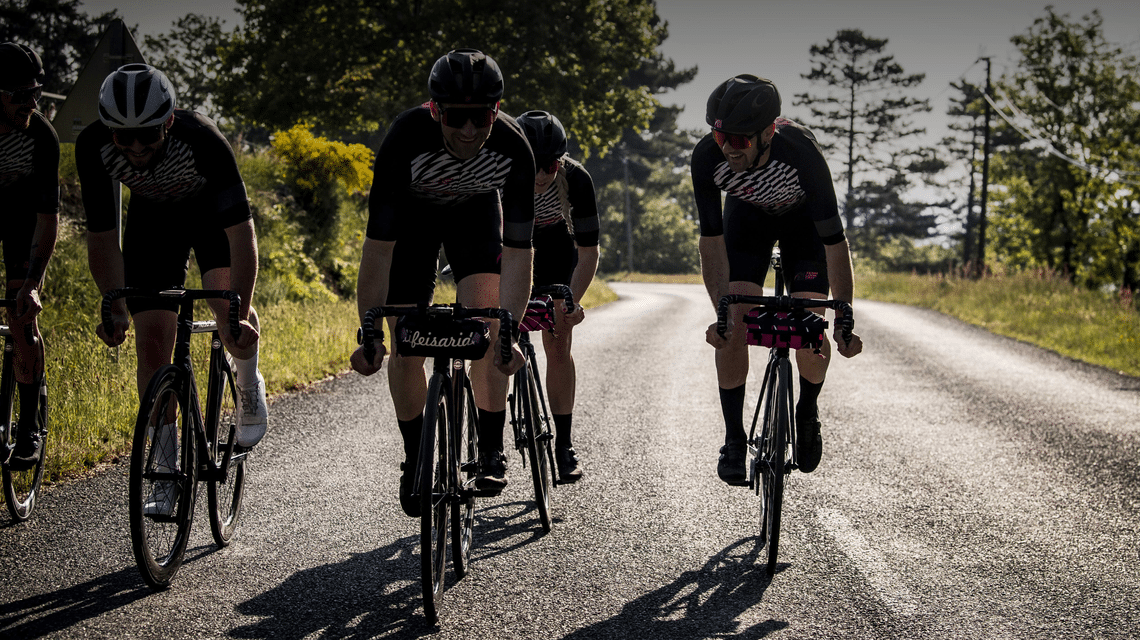
How to Choose the Best Road Bike Tires for Your Needs
If you primarily ride on paved roads, whether for competition, training, or daily commuting, selecting the right tires can enhance performance, comfort, and durability. Some riders may also venture onto light off-road paths, requiring a more versatile tire option. With so many choices available, finding the best road bike tires can feel overwhelming. This guide will help you navigate the options and select the right tires based on your riding style and conditions.Learn more -
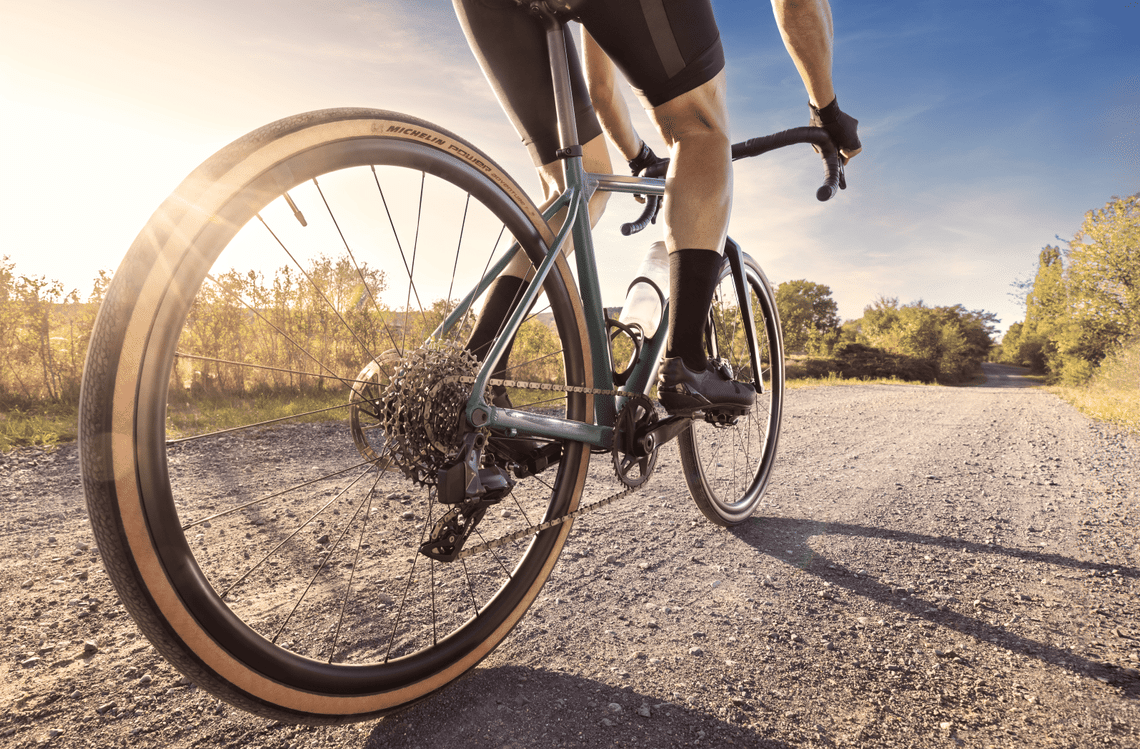
How to choose the best gravel tires for your bike?
Selecting the right gravel tires is essential if you often venture off the beaten path. In gravel cycling, tire choice directly impacts your comfort, control, and speed, especially over varied terrain. This guide will walk you through the key criteria for choosing the best gravel tires, highlight the differences between Michelin models, and help you match the right tire to your riding style and the terrain conditions you're most likely to face. Whether you're riding on loose gravel, packed dirt, or occasional pavement, the right tire will let you ride with confidence, comfort, and efficiency across Canada’s diverse trail networks.Learn more -
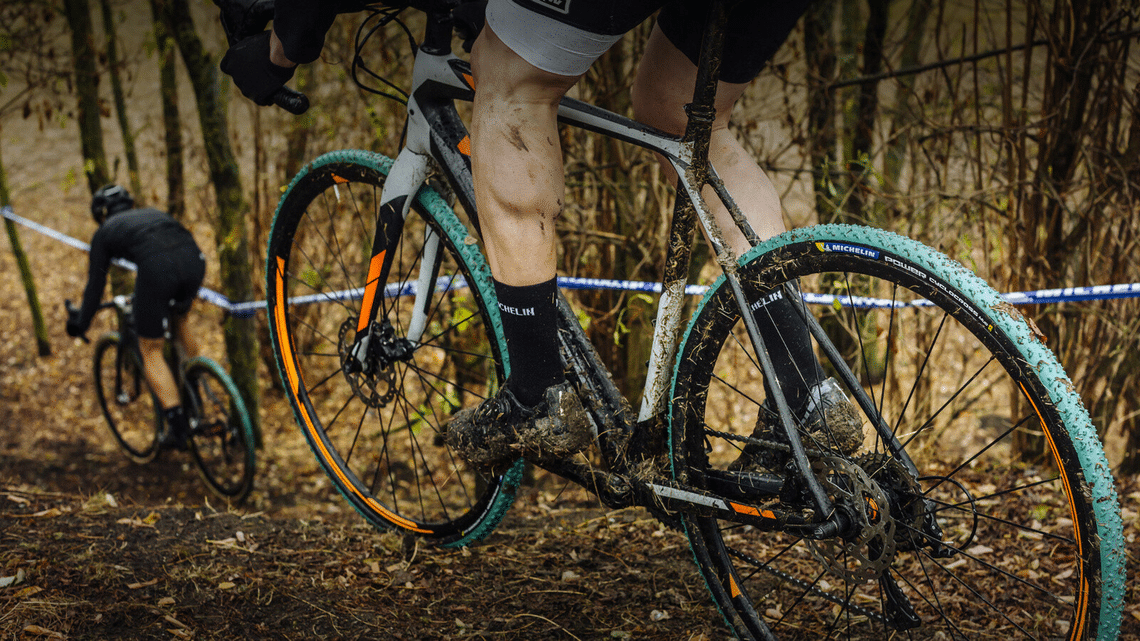
How to Choose Your Cyclocross Tires
In cyclocross, just like any other form of competitive cycling, your choice of tires can make a major difference in your performance. This article will walk you through what to consider when choosing the best cyclocross tires to help improve your chances of reaching the finish line first.Learn more