From Scooters to Electric Scooters
The world is evolving, and if you’ve chosen an electric scooter for your mobility, you’ve already taken a step into the future.
In Canada, cities like Vancouver, Montreal, and Toronto are promoting eco-friendly transportation. Some cities now offer incentives like free parking for electric scooters, while charging fees for gas-powered vehicles.
Global studies estimate that by 2030, 30% of two-wheelers will run on electric batteries. The shift toward electric vehicles is well underway, and Canada is no exception. Electric scooters are becoming a popular choice, offering an eco-friendly and efficient mode of transport for urban commuters.
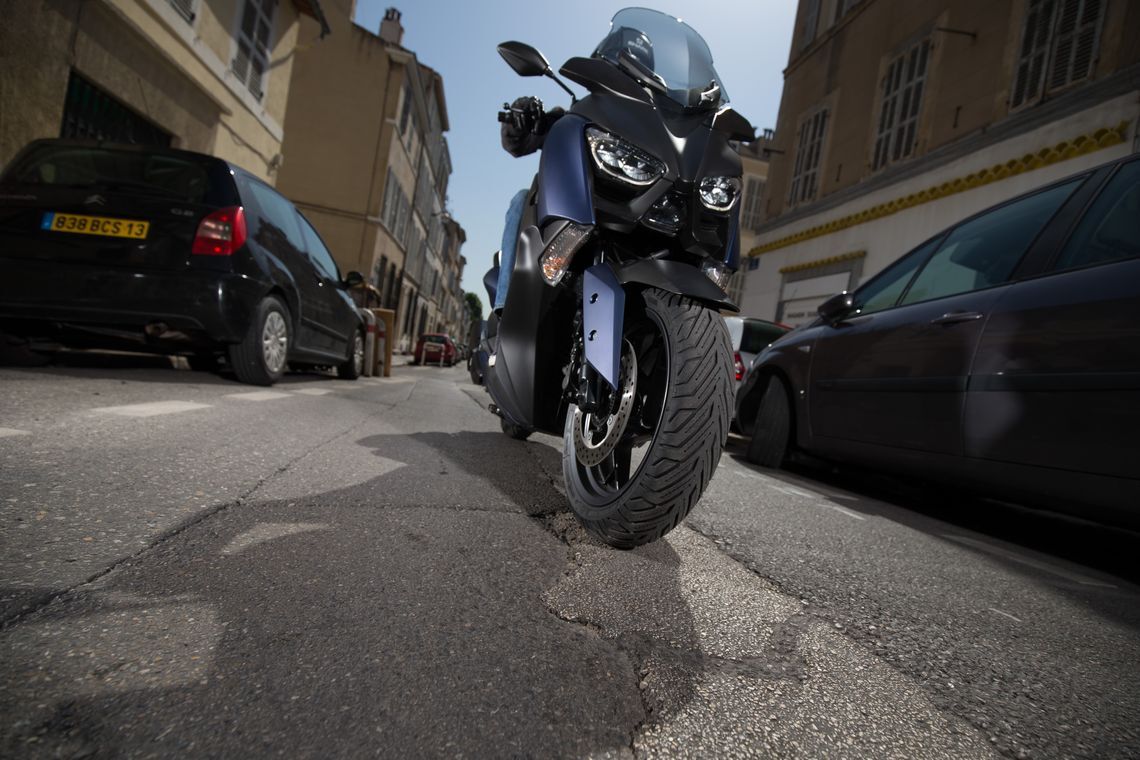
What Makes Electric Scooters Different?
The most obvious difference is the energy source: the battery. But did you know there are two main types?
Fixed Battery: Recharged at a charging station, similar to electric cars.
Removable Battery: Swappable with a fully charged battery, ideal for reducing downtime.
Currently, fixed batteries are the most widely used by everyday commuters. However, removable batteries are gaining popularity in sectors like delivery services. With delivery scooters traveling hundreds of kilometres a day, the cost efficiency and convenience of swapping batteries make them an attractive option.
How Do I Choose Electric Scooter Tires?
While electric scooters differ in energy source and design, the requirements for their tires are largely the same as those for gas-powered scooters. Choosing the right tires can significantly enhance your riding experience, especially in Canada's diverse weather conditions.
Here are the key criteria to consider when selecting electric scooter tires:
Good Grip: Ensure excellent traction on both wet and dry surfaces for safety in changing conditions.
Longevity: Look for tires with durable performance to handle the faster wear caused by electric scooters' torque.
Low Rolling Resistance: Opt for tires that optimize battery life, allowing you to cover more kilometres on a single charge.
With the right tires, your electric scooter can provide a smoother, safer, and more efficient ride, whether you're commuting in the city or exploring new paths.
Our Electric Scooter Tire
Michelin City Grip 2

The Michelin City Grip 2 is a flagship range and a trusted choice for scooters worldwide. Its versatility and performance make it an ideal tire for both gas-powered and electric scooters, available in a wide variety of sizes to meet diverse needs.
Key Features of Michelin City Grip 2:
Exceptional Safety and Wet Grip: This tire sets the standard for safety, offering superior performance on wet and slippery surfaces. The innovative silica-based rubber compound, paired with shark tooth sipes, ensures reliable traction in challenging conditions.
Electric-Ready Design: Engineered for electric scooters, the silica compound reduces rolling resistance, optimizing battery life and allowing you to travel further on a single charge.
Selected by leading global scooter brands, the Michelin City Grip 2 is a market reference for quality, durability, and innovation. Whether you’re navigating city streets or unpredictable Canadian weather, the Michelin City Grip 2 delivers unmatched safety, efficiency, and performance for your electric scooter.
How Do I Find My Electric Scooter Tire Size?
Finding your tire size is quick and easy. Simply check the sidewall of your tires, where the size is clearly displayed. Be sure to verify both the front and rear tires, as sizes may differ depending on your electric scooter model. Once you know the size, you can confidently choose the Michelin tire that best fits your needs.
FAQ
Read our Frequently Asked Questions.
Electric scooters often require tires specifically suited to their characteristics. Like full EVs, electric scooters have instant torque delivery that can stress rear tires more than a gasoline engine. Some have higher weights due to battery packs. Beyond these differences, electric scooters—particularly lower-speed urban scooters—often use tires designed for their small wheel sizes (8", 10", or 12" rims), which must handle the unique weight and torque distribution of the e-scooter format. Many traditional gas scooter tires are compatible with electric equivalents of the same size; verify compatibility with the scooter manufacturer.
Correct rim size and tire width: electric scooters have limited clearance—size compatibility is essential.
Load capacity: battery weight plus rider—verify load index covers total weight.
Puncture resistance: urban environments expose scooter tires to nails and debris. Michelin offers reinforced options with improved puncture resistance.
Wet performance: urban riding involves wet pavement regularly—wet grip and water evacuation matter.
Longevity: urban commuters accumulate kilometres quickly and frequent tire changes are inconvenient.
No. Electric scooters operate at speeds and loads that exceed what standard bicycle tires can safely handle. Bicycle tires are not rated for the speeds, loads, or dynamic forces of even low-speed electric scooters. Electric scooter tires are specifically rated for the voltage, speed, and weight range of their category. Using bicycle tires on an electric scooter is dangerous and can lead to sudden failure. Always use tires specifically designated for electric scooters and compatible with your specific model.
The rear tire can wear faster due to instant torque from the electric motor causing more traction stress during acceleration. Overall, wear rates depend heavily on riding style—smooth acceleration dramatically extends tire life compared to frequent hard starts. The front tire wears more from braking (regenerative braking on rear-wheel-drive e-scooters shifts braking load forward, which can actually reduce rear wear compared to conventional braking). Check tread depth regularly on both tires, and replace before the wear indicators—reduced tread on small scooter tires has a disproportionate effect on wet-weather grip at urban speeds.
Follow the scooter manufacturer's specification—found in the owner's manual or on a sticker on the scooter frame. Electric scooter tires typically operate at higher pressures than bicycle tires (often 40–65 PSI depending on size and load). Proper pressure is critical for scooter tires: underinflation causes poor handling, rapid wear, and increased risk of pinch flats; overinflation reduces grip and ride comfort. Check pressure before every ride or at least weekly—small-volume scooter tires lose pressure relatively quickly compared to full-size motorcycle or car tires.