Excellent Stopping Power
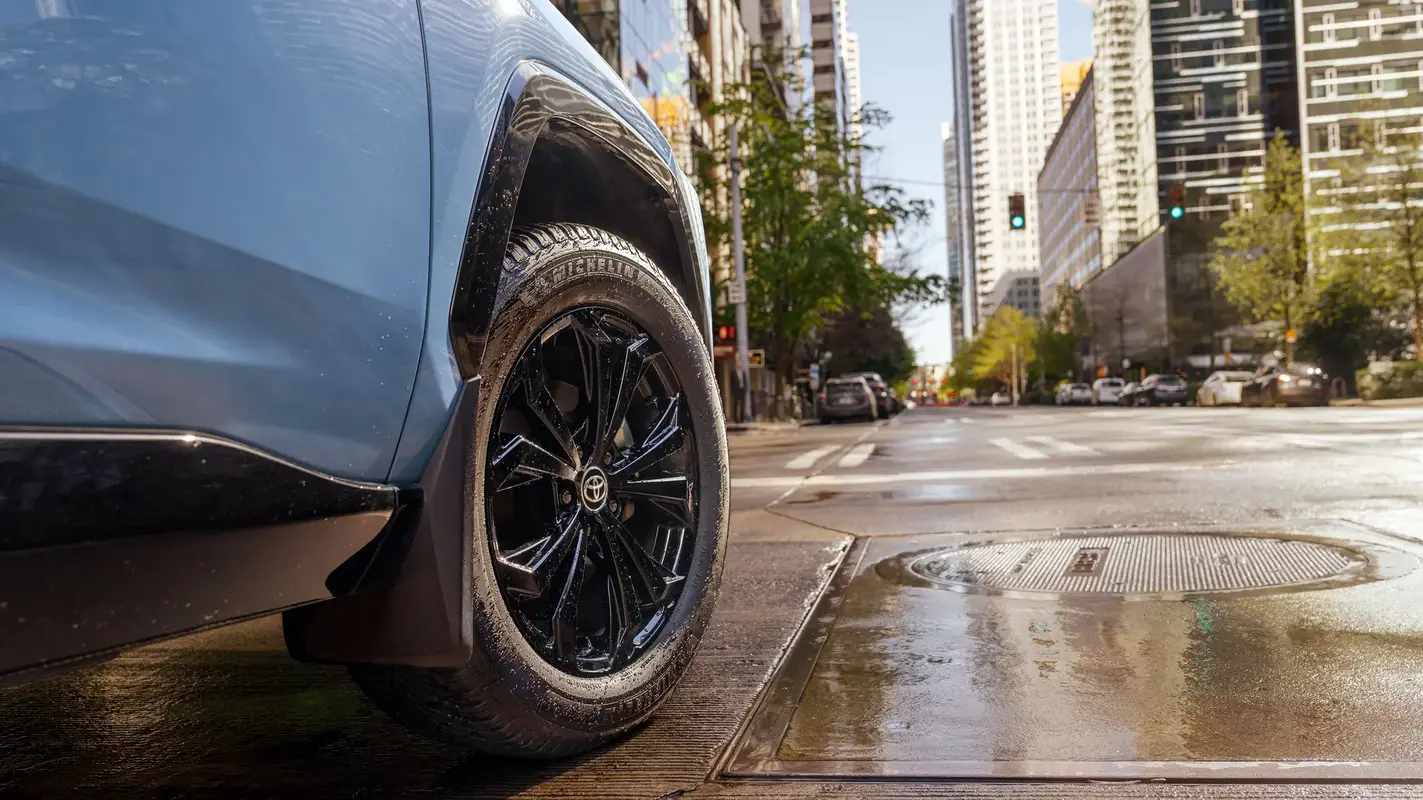
On wet pavement when worn, the Michelin CrossClimate2 tire stopped up to 17 metres shorter than four leading competitive tires. (1)

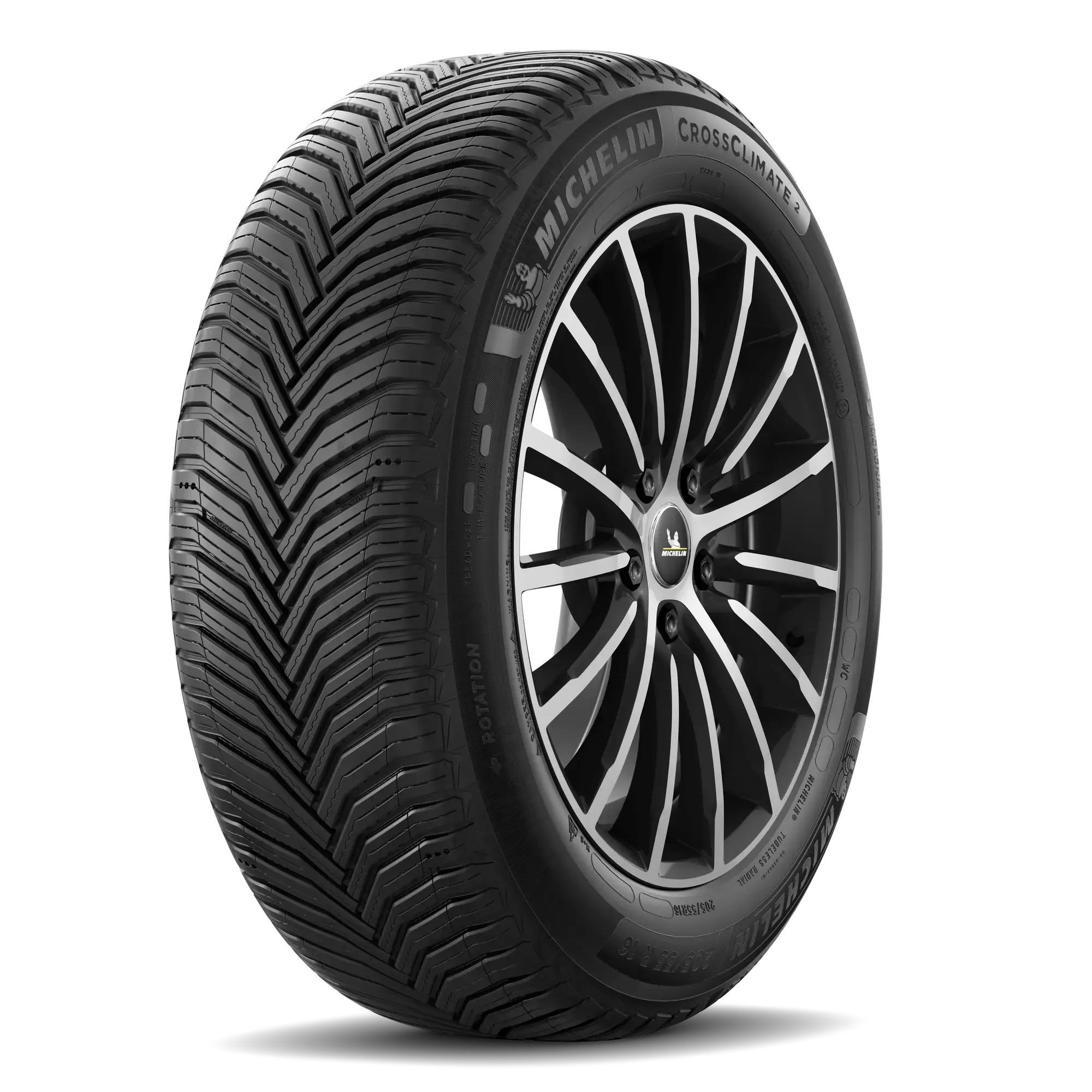
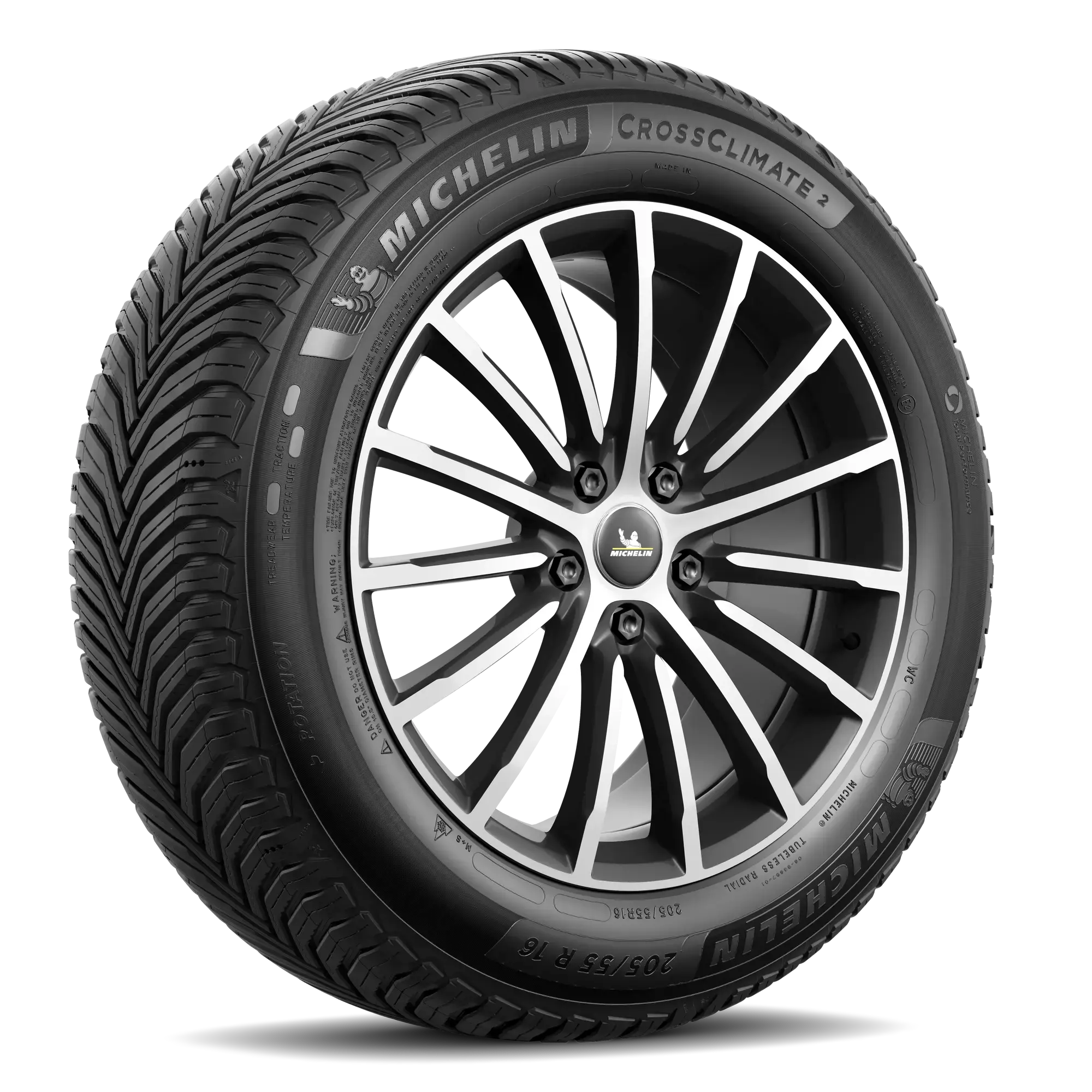
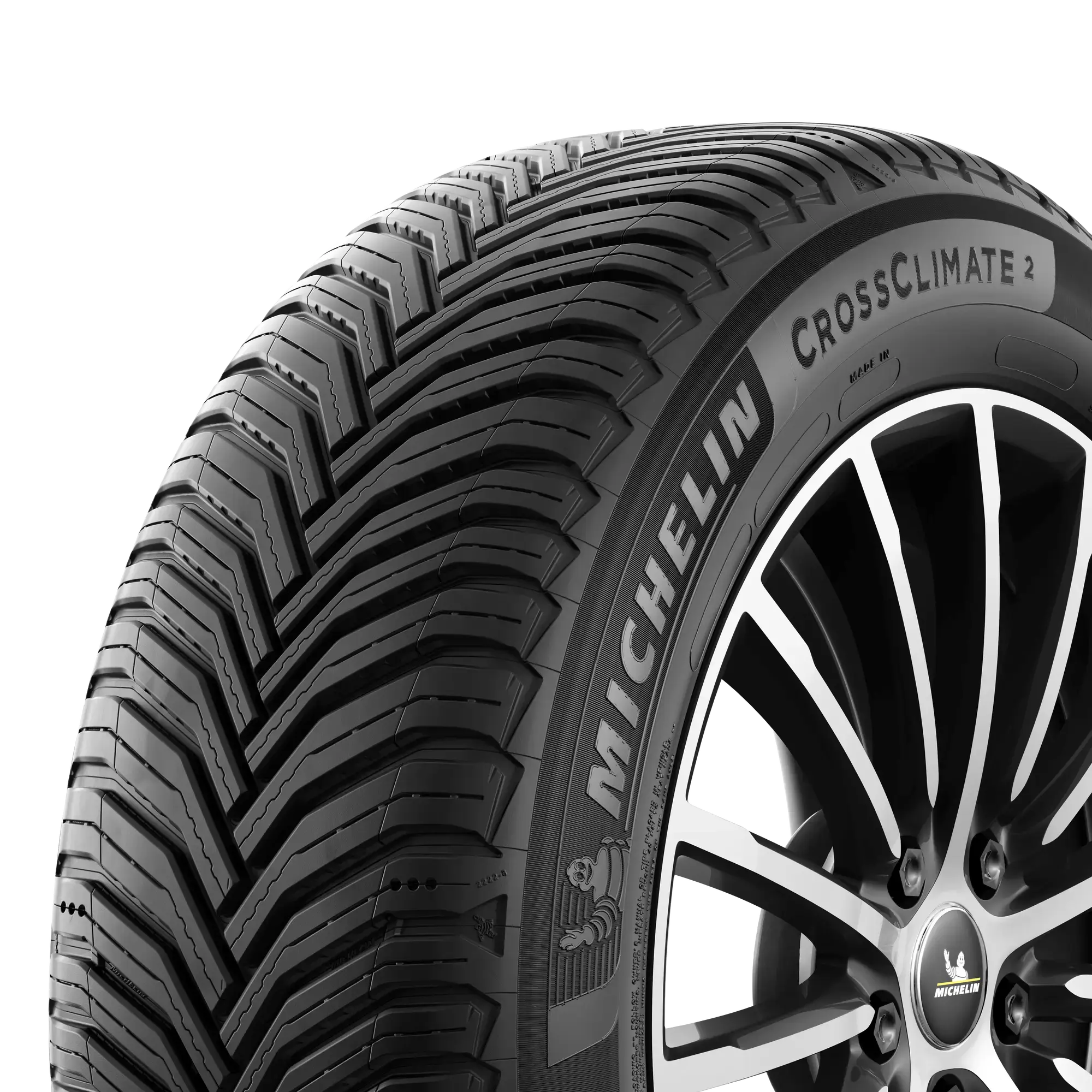


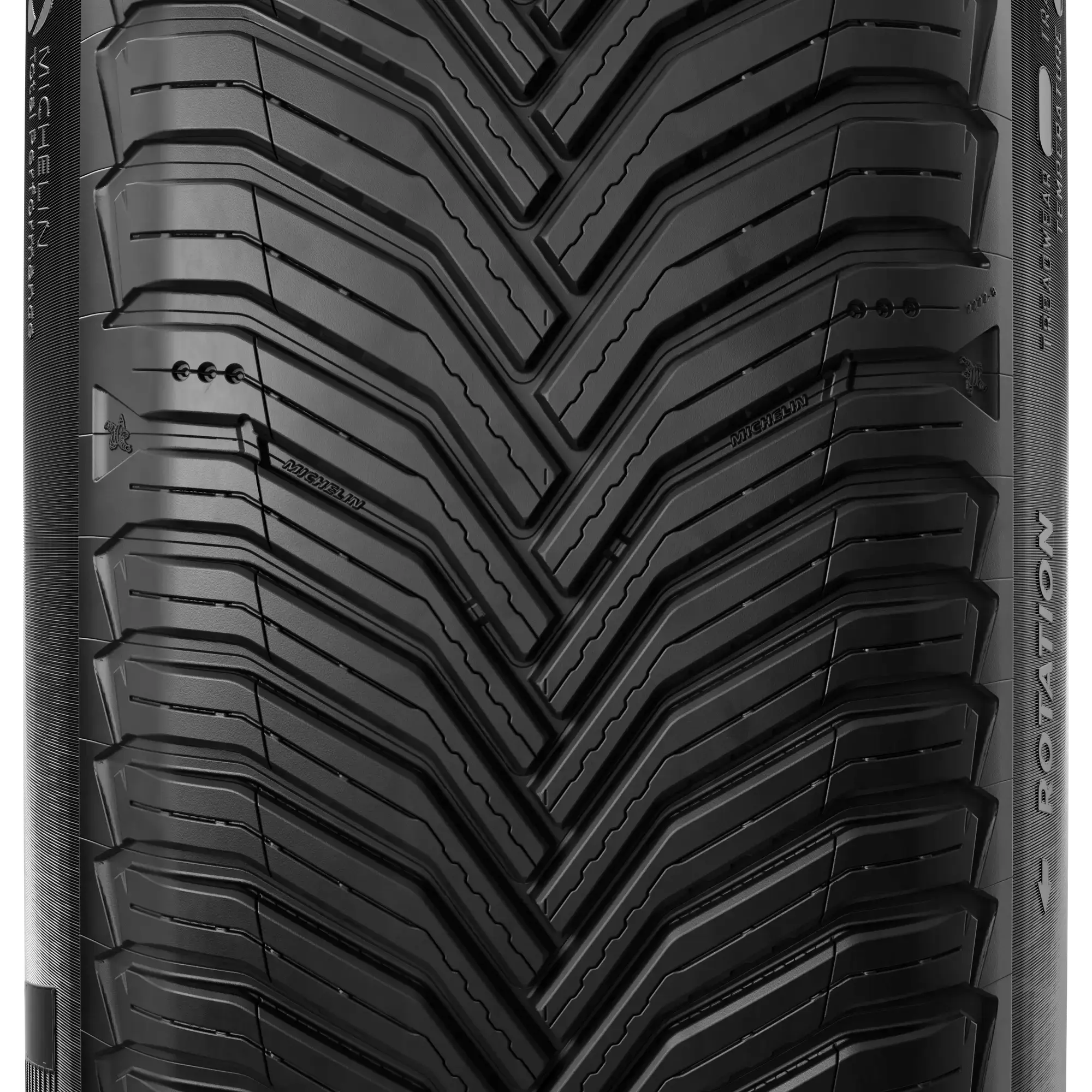

Safe driving whatever the weather, all year round
Compliant with local winter legislation requirements
Stops shorter than 4 leading competitive tires in dry and wet conditions (1)(3)

There are 2055 reviews for the CrossClimate2

Rating Snapshot
When asked, 92% of reviewers recommend this tire
Customers overwhelmingly praise these tires for exceptional traction in snow, rain, and icy conditions, with many noting they no longer need winter tires. The ride is remarkably quiet and smooth, with reviewers consistently describing it as among the quietest they've owned. Handling inspires confidence across all weather conditions. Most report strong durability, with some noting 10,000+ miles and significant tread remaining. A small number mention a fuel economy drop of 2-10%, though this remains a minor concern compared to the dominant positive feedback. Overall, customers express deep trust and loyalty.
AI-generated from the text of customer reviews
1-5 on 2055 reviews

This set rides well\ No vibration. To early to determine traction in snow.
Very high noise and VIBRATION cause electric cable to break
I drove the Alcan from Wyoming to Anchorage at the end of September/ early October with a brand new set of these tires and was blown away. We encountered rain, sleet, slush, snow, gravel, and potholes, through it all we never once had any doubts or lost grip. These tires certainly give you peace of mind when 200 miles from the next stop. I personally did not notice an increase in road noise or reduced fuel mileage. Highly recommended tire and I will be purchasing again!
I've been using Michelin CrossClimate2 tires on my 2017 Honda CR-V for about three years now, and the first time I hit the highway, I was amazed at how the handling felt almost as good as our 2020 Mercedes-Benz GLE. I’ve been driving for decades and have never been this impressed by a set of tires. They’re solid all around: they handle smoothly, have great grip in the rain, and are really quiet. I don’t drive recklessly, but they’ve never let me down. I just put those same tires on my Mercedes yesterday. I'm so excited to test them out that I’m already looking for any excuse to go on a long road trip.
Excellent grip in all weather and quiet ride
XL = Extra Load
>> The sizes shown are average design values for tires measured on specified measuring rim widths. Some tires may vary from this value by +/-3% of the section height (affecting overall diameter), and +/-4% of the section width.
>> Section width varies approximately 0.2" (5mm) for every 0.5" change in rim width.
>> Tread patterns are often tuned to accommodate different tire widths. Tires for a particular dimension of a given tireline may vary in appearance from the tire shown in the photograph.
WARNING: Serious or fatal injury may result from tire failure due to underinflation or overloading. To ensure correct air pressure and vehicle load, refer to vehicle owner's manual or tire information placard on the vehicle. Serious injury or death may result from explosion of tire/rim assembly due to improper mounting. Only tire professionals should mount tires and they should never inflate beyond 40 psi to seat the beads. Before mixing types of tires in any configuration on any vehicle, be sure to check the vehicle owner's manual for its recommendations.
DANGER: Never mount a 16" diameter tire on a 16.5" rim.
DANGER: Never mount a 17" diameter tire on a 17.5" rim.
DANGER: Never mount a 19" diameter tire on a 19.5" rim.
DANGER: Never mount a 22" diameter tire on a 22.5" rim.
Inflation pressure increase must not exceed the maximum pressure branded on the tire sidewall. When a customer requests a replacement tire with a lower speed rating than the original equipment tire, you must clearly communicate to him or her that the handling of the vehicle may be different, and that its maximum speed capability is limited to that of the lowest speed-rated tire on the vehicle. Exceeding the lawful speed limit is neither recommended nor endorsed.
For high-speed driving, additional inflation pressure and possibly reduced tire loading and/or upsizing is required. In the absence of specific recommendations by the vehicle manufacturer, use the following guidelines based on those in the European Tyre and Rim Technical Organization Standards Manual.
For speeds over 160km/h (100 mph), load and inflation must be adjusted according to the table below.
H-Speed Rated Sizes:
| Maximum Speed (km/h) | 160 | 170 | 180 | 190 | 200 | 210 |
| Inflation Increase (psi) | 0.0 | 1.0 | 2.0 | 3.0 | 4.0 | 5.0 |
| Load Capacity (% of max.) | 100 | 100 | 100 | 100 | 100 | 100 |
| Maximum Speed (km/h) | 160 | 170 | 180 | 190 | 200 | 210 | 220 | 230 | 240 |
| Inflation Increase (psi) | 0.0 | 1.0 | 2.0 | 3.0 | 4.0 | 5.0 | 5.0 | 5.0 | 5.0 |
| Load Capacity (% of max.) | 100 | 100 | 100 | 100 | 100 | 100 | 97 | 94 | 91 |
The images presented are provided for reference purposes only and do not constitute a contractual representation. They are used for illustration purposes and do not guarantee the exact conformity of the products or services offered.